What does “card searching” mean?
What it means
Card searching is the systematic process of sifting through large volumes of trading cards—bulk lots, unorganized collections, or sealed product—to locate specific, high-value, or rare items. This is the primary sourcing mechanism for inventory in the trading card resale market. It is not simply looking; it involves targeted identification based on market knowledge. The goal is to convert low-value bulk material into high-value, individually graded, or sought-after assets.
What it does to price
The efficiency and quality of the search directly determine the profit margin. Finding a single, highly desirable chase card within a 500-card lot can turn a $20 purchase into a $300+ asset. Conversely, a poor search yields only common filler, resulting in negligible return. Specific markers significantly impact value. For instance, finding a known short-print variant can increase a card's value by 5x to 10x compared to the standard print run. A common error card, if verified, can command a premium of $100 to $500 over its standard counterpart, depending on the card's base value.
How to spot it
Identification relies on specific visual cues. Check for subtle variations in card stock, holo pattern breaks, or specific serial numbering that denotes a limited print run. For modern cards, examine the card back for specific copyright dates or manufacturer identifiers. Always request high-resolution images of the card edges and corners before committing to a purchase. Common pitfalls include misidentifying a common parallel as a rare variant, or mistaking minor surface scratches for intentional print variations. Sellers often omit close-ups of corners, which is a red flag.
Buying smart
Paying a premium for bulk lots is justifiable only when the lot contains known, high-probability targets (e.g., a specific set known for high pull rates, or a lot sourced from a known collector with high-grade material). If the lot is completely unverified, a low-cost "lot-hunting" approach is safer. A fair deal involves a bulk price that allows for a minimum 300% return on investment *if* a single valuable card is found. If the lot is priced such that the potential profit from one card barely exceeds the lot cost, the risk is too high.
Selling smart
When listing cards sourced via card searching, proving the origin or the search effort adds credibility. If a card is found in a "Bulk Lot Recovery," this context can justify a slightly higher asking price, signaling the card was hard-won inventory. The single most effective element in a listing is a photo taken under strong, direct light that clearly shows the card's entire surface, allowing buyers to verify the condition and confirm the specific variant or error identified during the search.
On eBay right now
Current asking prices from live listings — not sold-comp medians.

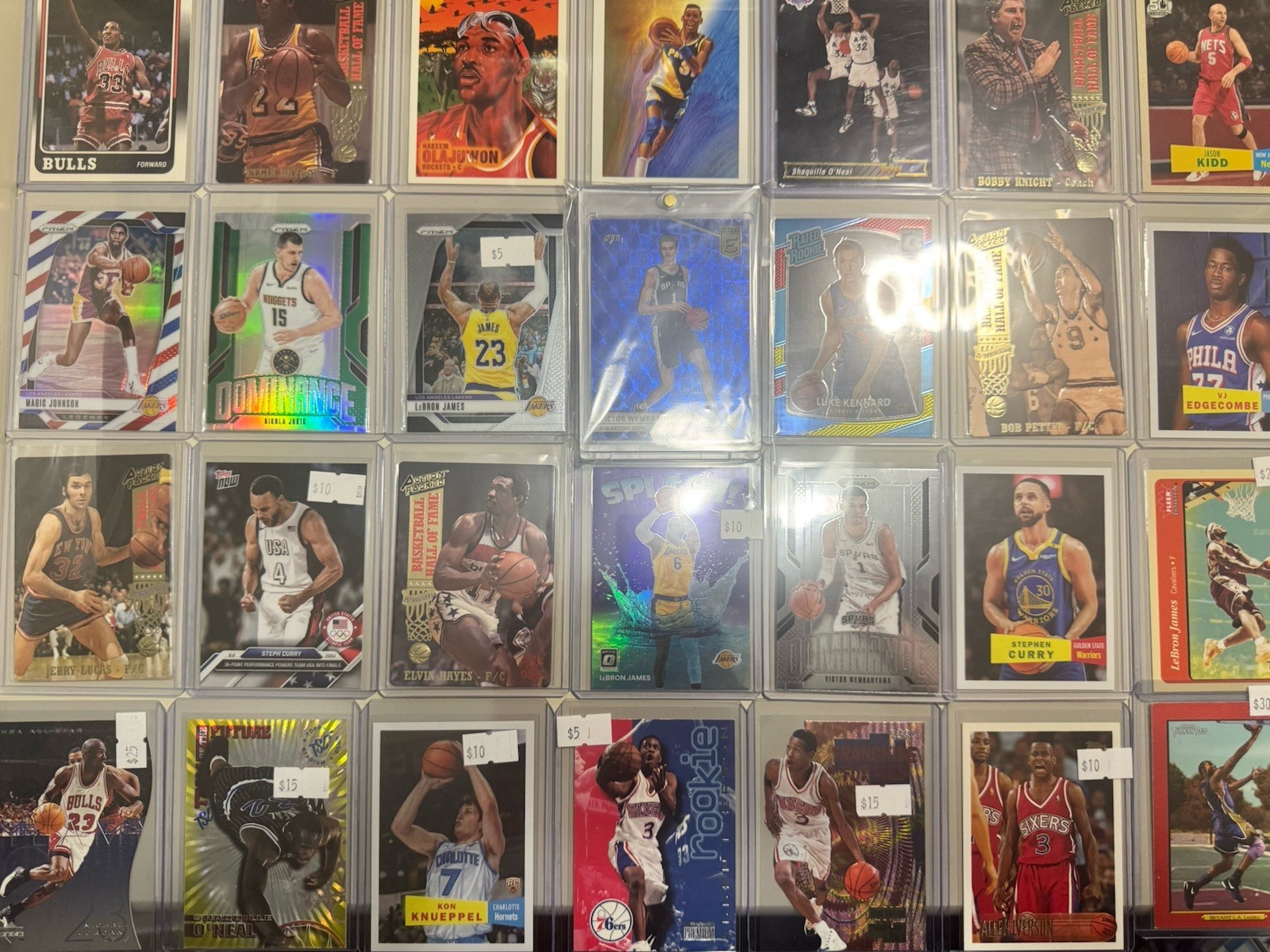
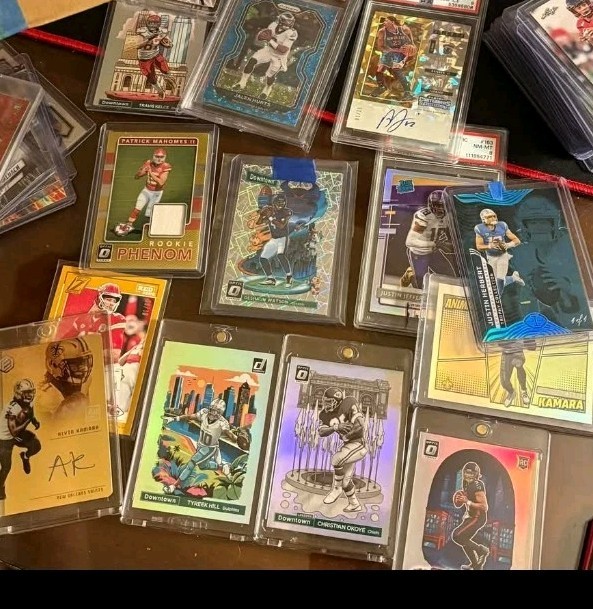

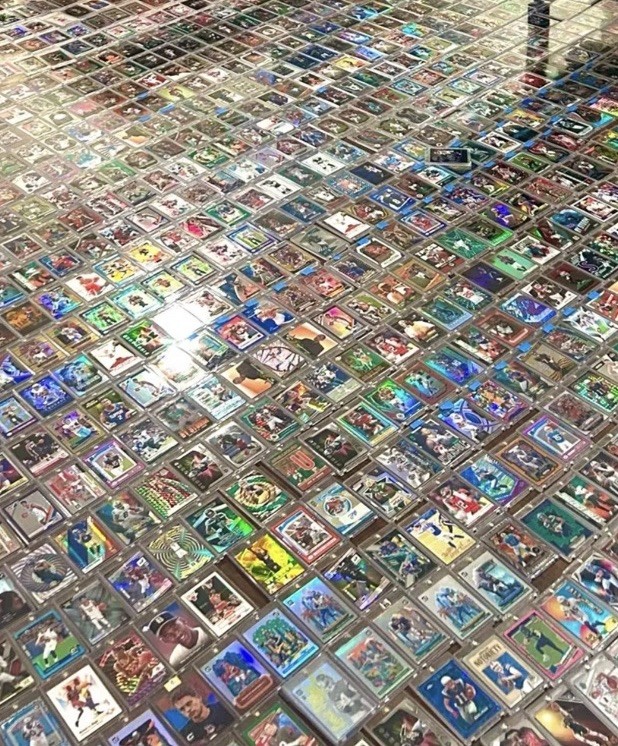

eBay links are affiliate links: JunkPal may earn a commission at no cost to you.
Resale values related to card searching
Shop card searching on eBay ↗![Zapdos [Sparkle] #145](/api/images/junkpal-products/cards/zapdos-sparkle-145-pokemon-2000-topps-chrome-card/img0/thumb.webp)



JunkPal may earn a commission when you buy through eBay links, at no extra cost to you.
What’s worth the most
Ranked on medians of real closed eBay sales, not asking prices.