What does “card population report” mean?
What it means
A card population report is a data summary detailing the known quantity of a specific trading card currently available in the market. It moves beyond simple print run numbers to track *existing* copies. This includes verified counts broken down by grading status (e.g., PSA 10, ungraded), specific serial numbers, and authenticated sets. For the reseller, this is the real-time inventory count. The mainstream equivalent is an audited supply chain report for a specific collectible item. It quantifies scarcity.
What it does to price
Scarcity directly dictates pricing power. A low population count (under 500 copies graded PSA 10, for example) acts as a strong multiplier, often pushing the value 3x to 5x higher than a high-population equivalent. Conversely, a high population count (over 10,000 copies) acts as a dampener, often limiting growth to less than 1.2x over time. If a card has a population of 2,000, a raw copy might sell for \$20; if the population drops to 200, the same raw copy could see a jump to \$75, assuming demand remains constant.
How to spot it
Population data is usually sourced from major grading companies (PSA, BGS, SGC) or specialized market tracking services. The tell is the consistency of the data source. Sellers often claim rarity without proof. To verify, request a link to the specific population report or ask for a verifiable serial number if the card is numbered. Common mistakes include misidentifying print runs or confusing an authenticated population count with an estimated print run. If a seller claims a card is "rare" but cannot point to a specific population report, the claim is unsubstantiated marketing.
Buying smart
Paying a premium based on population is justified when the card is in a verifiable, low-population tier (e.g., under 1,000 copies graded). This premium buys proven scarcity. It is not worth the premium if the population report is vague, or if the card is only "low population" because of a limited short print run that has already saturated the secondary market. A fair deal means the asking price is within 15-25% of the average recent sales data for that specific population tier.
Selling smart
Proving the population status in a listing immediately elevates perceived value. Listing a card as "Verified Low Population: Under 500 PSA 10" attracts buyers specifically looking for scarcity, often commanding a 10-20% premium over a listing that simply states "Graded PSA 10." The single most effective element is linking the listing directly to the grading company's population report page for that specific card number. This external validation removes buyer risk and justifies the highest price point.
On eBay right now
Current asking prices from live listings — not sold-comp medians.

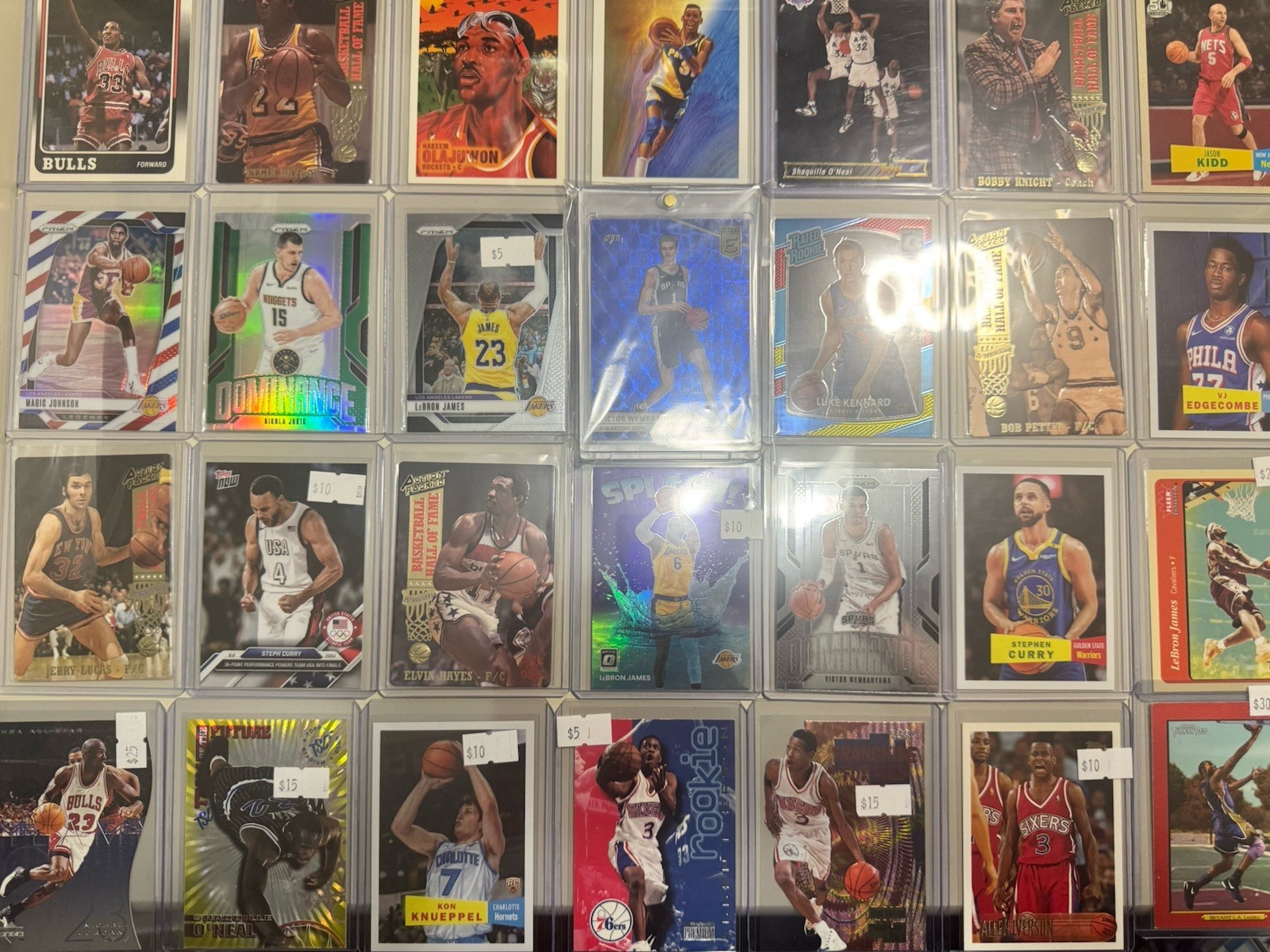
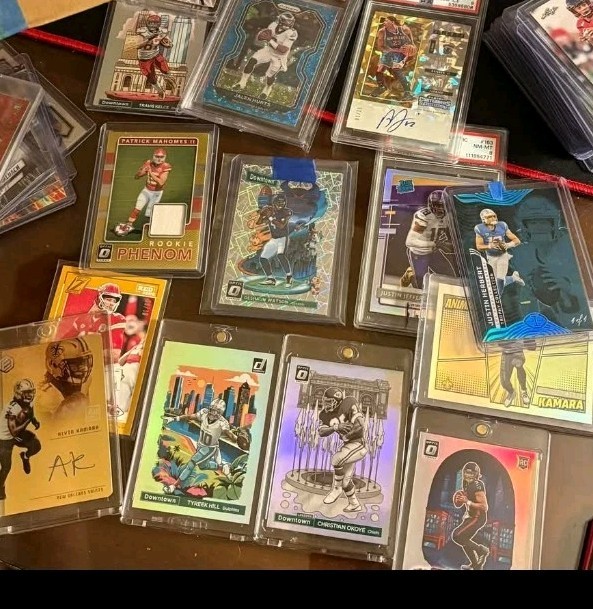



eBay links are affiliate links: JunkPal may earn a commission at no cost to you.
Resale values related to card population report
Shop card population report on eBay ↗



![Mysterious Girl Illyasviel SP (Fate/stay night [Heaven’s Feel])](/api/images/junkpal-products/tcgcsv/mysterious-girl-illyasviel-sp-205745-tcg/img0/thumb.webp)



JunkPal may earn a commission when you buy through eBay links, at no extra cost to you.
What’s worth the most
Ranked on medians of real closed eBay sales, not asking prices.