What does “card numbering” mean?
What it means
Card numbering is the sequential identifier printed on a trading card, indicating its place within a specific production run or set. The format, such as "1/100," signifies that the card is the first of one hundred copies. This is not merely a catalog number; it is a scarcity marker. Some cards are "numbered parallels," meaning they are a special, limited print run of a base card (e.g., a base card might be common, but the "Gold Parallel /5" is a distinct, limited edition). Unnumbered cards are considered the standard or common issue. The number defines the card's inherent scarcity relative to the entire population.
What it does to price
Scarcity directly dictates value. A base card might sell for $1.00. If that same card is a low-numbered parallel, such as a /5, the price can easily multiply by 5x to 20x or more, depending on the player's market demand. A card numbered /1 is the pinnacle of scarcity and commands the highest premium. Conversely, high-numbered parallels (e.g., /500) offer a moderate bump over base but rarely reach the valuation of low-numbered variants. A common, unnumbered card of a popular player might fetch $15; the same card as a /10 parallel could easily fetch $75-$150.
How to spot it
Numbering is usually printed in a specific, standardized location on the card—often near the player name or in a corner border. Look for the fraction format (X/Y). If a card appears to have a number but lacks the standard set numbering scheme, it may be a counterfeit or an error. Fakes often use blurry or mismatched fonts for the numbering. To verify, cross-reference the card's visual design and numbering placement against official set checklists or manufacturer guides. A common honest mistake is confusing a card's *set number* (e.g., Card #45) with its *production number* (e.g., 1/100).
Buying smart
Paying a premium for a numbered card is justified when the scarcity is extreme (low print run, e.g., /1 to /25) and the player has established, sustained market demand. If a card is a high-numbered parallel (/200+) of a player with low overall interest, the premium may not cover the risk. A fair deal involves the asking price being within 20-30% of the established market average for that specific numbering level. If the seller cannot provide clear, high-resolution images of the numbering itself, the premium should be significantly discounted until verification is possible.
Selling smart
Listing a card with accurate numbering is non-negotiable for maximizing returns. The single most effective element in a listing is a close-up photograph of the numbering itself, clearly showing the fraction (e.g., a macro shot of "1/10"). Describing the numbering precisely (e.g., "Numbered Parallel /10") allows buyers to immediately categorize the rarity, justifying a higher asking price. Ambiguous descriptions force buyers to assume the lowest possible value, effectively capping the sale price.
On eBay right now
Current asking prices from live listings — not sold-comp medians.



eBay links are affiliate links: JunkPal may earn a commission at no cost to you.
Resale values related to card numbering
Shop card numbering on eBay ↗
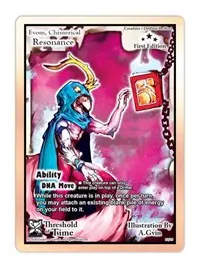




JunkPal may earn a commission when you buy through eBay links, at no extra cost to you.
What’s worth the most
Ranked on medians of real closed eBay sales, not asking prices.