What does “card market trends” mean?
What it means
Card market trends describe the current velocity and direction of demand within the trading card sector. This includes identifying which specific sets, artists, or card types are experiencing increased collector focus or decline. It is the industry equivalent of macroeconomic sentiment—a measure of overall collector confidence and purchasing power directed toward certain assets. Trends dictate which cards are considered "hot" (high liquidity, rapid appreciation) versus "cold" (stagnant or depreciating). A trend is not just a single high sale; it is sustained interest across multiple transactions for a specific category.
What it does to price
Trends act as demand multipliers. When a specific card type enters a strong, sustained trend, the price premium over its baseline value increases significantly. For a highly sought-after rookie card in a trending set, a near-mint (PSA 10 equivalent) copy can see price increases of 3x to 10x compared to its value during a market lull. Conversely, if a set falls out of trend, even a perfect copy can see its price drop by 40% or more as secondary market interest wanes. A small, positive trend can move a mid-tier card from $50 to $75 in a short period.
How to spot it
Spotting trends requires monitoring secondary market data, not just social media hype. Look at auction house results for consistent volume, not just single high outliers. Key indicators include: 1) Repeat listings of the same card type across multiple platforms; 2) Increased discussion volume on specialized forums regarding specific print variations or chase cards within a set; 3) Changes in grading service submission volume for a particular product line. A common mistake is mistaking a single, high-value "whale" purchase for a true market trend.
Buying smart
Paying a premium is justified when the trend is supported by tangible evidence: consistent sales volume across multiple grades and platforms, and clear, established scarcity (e.g., a limited print run). If a card is trending due to speculative hype without corresponding sales data, the risk is high. A fair deal involves comparing the asking price to the last 5-10 comparable sales (same card, similar grade) within the last 30 days. If the asking price exceeds the average by more than 30% without a clear, verifiable scarcity driver, the premium is likely inflated.
Selling smart
Proving the card's relevance to current trends maximizes buyer confidence and price realization. Listing descriptions must reference the card's position within a recognized, active trend. For example, instead of just listing a card, noting "Part of the current [Set Name] breakout trend" signals to buyers that the asset is recognized and liquid. The single most effective element is providing high-resolution, unedited photos showing the card's edges and corners clearly, which validates the card's physical condition against the high standards demanded by trending collectors.
On eBay right now
Current asking prices from live listings — not sold-comp medians.
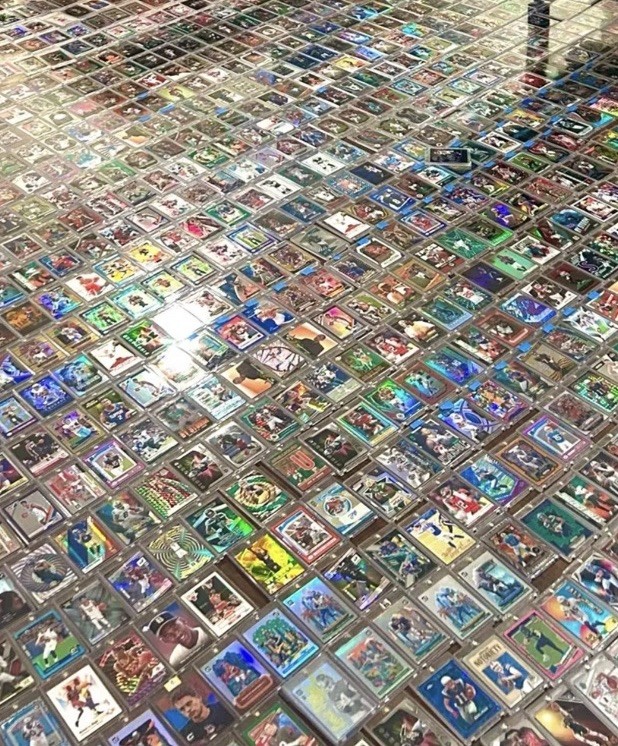
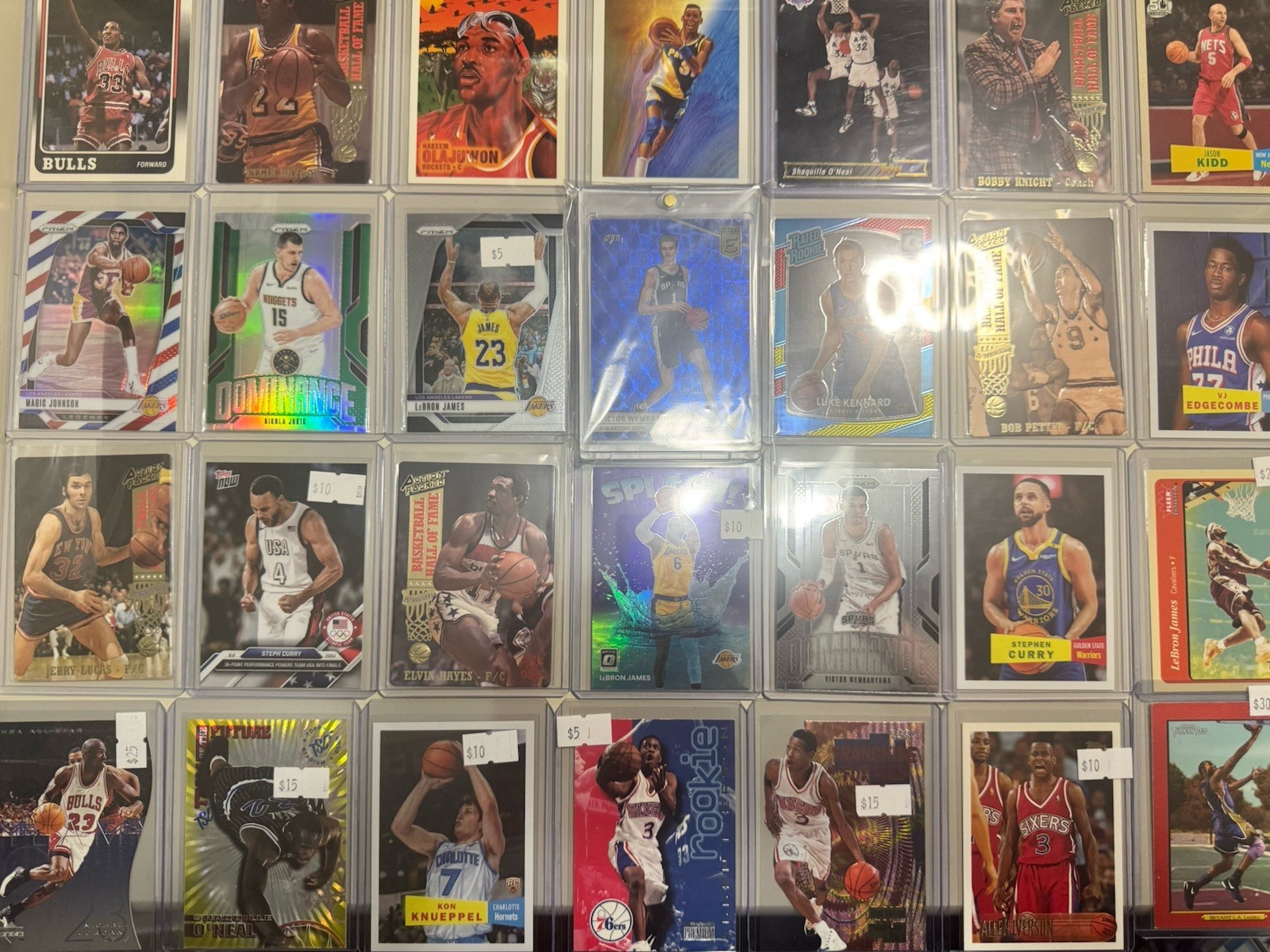

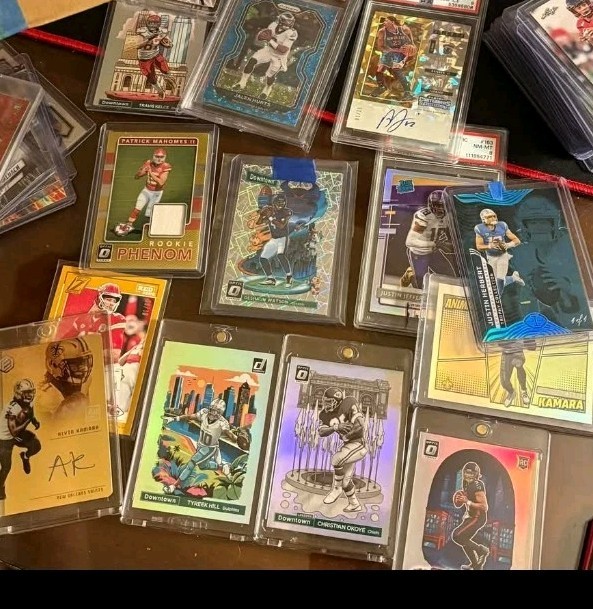


eBay links are affiliate links: JunkPal may earn a commission at no cost to you.
Resale values related to card market trends
Shop card market trends on eBay ↗



![Island [Alt Art]](/api/images/junkpal-products/cards/island-alt-art-magic-summer-edition-card/img0/thumb.webp)
JunkPal may earn a commission when you buy through eBay links, at no extra cost to you.
What’s worth the most
Ranked on medians of real closed eBay sales, not asking prices.