What does “card interaction” mean?
What it means
Card interaction is the specific functional relationship between a card’s mechanics and other cards within a game or collection framework. In competitive play, it defines how a card's abilities modify the game state when played alongside others. For collectors, this refers to synergy—the degree to which a card enhances the utility or power of a specific archetype or set. A card’s value is often not intrinsic but relational. If Card A enables Card B to function in a unique, powerful way, the combined value is greater than the sum of the individual parts. This is distinct from simple card compatibility; it requires a functional, often game-winning, interaction.
What it does to price
Synergy drives significant price inflation. A card that is merely good on its own might see a 1.5x to 4x multiplier when it becomes a critical piece of a known, high-demand combo. Conversely, a card that is powerful but has no established synergy within a popular meta or collection theme will trade closer to its standalone market value. If a card is central to a "must-have" competitive strategy, its price can spike rapidly, sometimes exceeding 5x its base value. For example, a staple enabler card in a dominant deck might sell for $150, whereas the same card used in a niche, non-meta build might sell for $40.
How to spot it
Spotting high-value interaction requires knowledge of established archetypes. Look for keywords or mechanics that are frequently referenced in high-level gameplay guides or community discussions related to a specific set. Sellers should provide context; a listing stating "Combo Piece" or "Synergy Core" is a direct indicator. Physical tells are rare unless the card is part of a highly specific, limited-run "foil synergy" set. The primary check is not the card's print quality, but the *context* provided by the seller. If the seller cannot explain *how* the card interacts with other known pieces, the premium is unsubstantiated.
Buying smart
Paying a premium for interaction is justified only when the synergy is proven, established, and relevant to current or anticipated play/collection trends. If the interaction relies on an outdated rule interpretation or a niche strategy that has fallen out of favor, the premium is speculative risk. A fair deal involves a price that reflects the card's standalone value plus a verifiable, modest premium (e.g., 1.2x to 1.5x) for its proven role in a recognized combo. Avoid paying extreme premiums based solely on a seller’s assertion of "potential."
Selling smart
To maximize return, the listing must explicitly define the card's role. Do not just list the card name; list its function. Use terms like "Combo Enabler," "Archetype Staple," or "Key Synergy Piece." The single most effective addition to a listing is a photo showing the card alongside another card it interacts with, or a brief, one-sentence description detailing the interaction (e.g., "Pairs with X to achieve Y"). This documentation shifts the buyer's perception from a single asset to a functional component, justifying the higher price point.
On eBay right now
Current asking prices from live listings — not sold-comp medians.

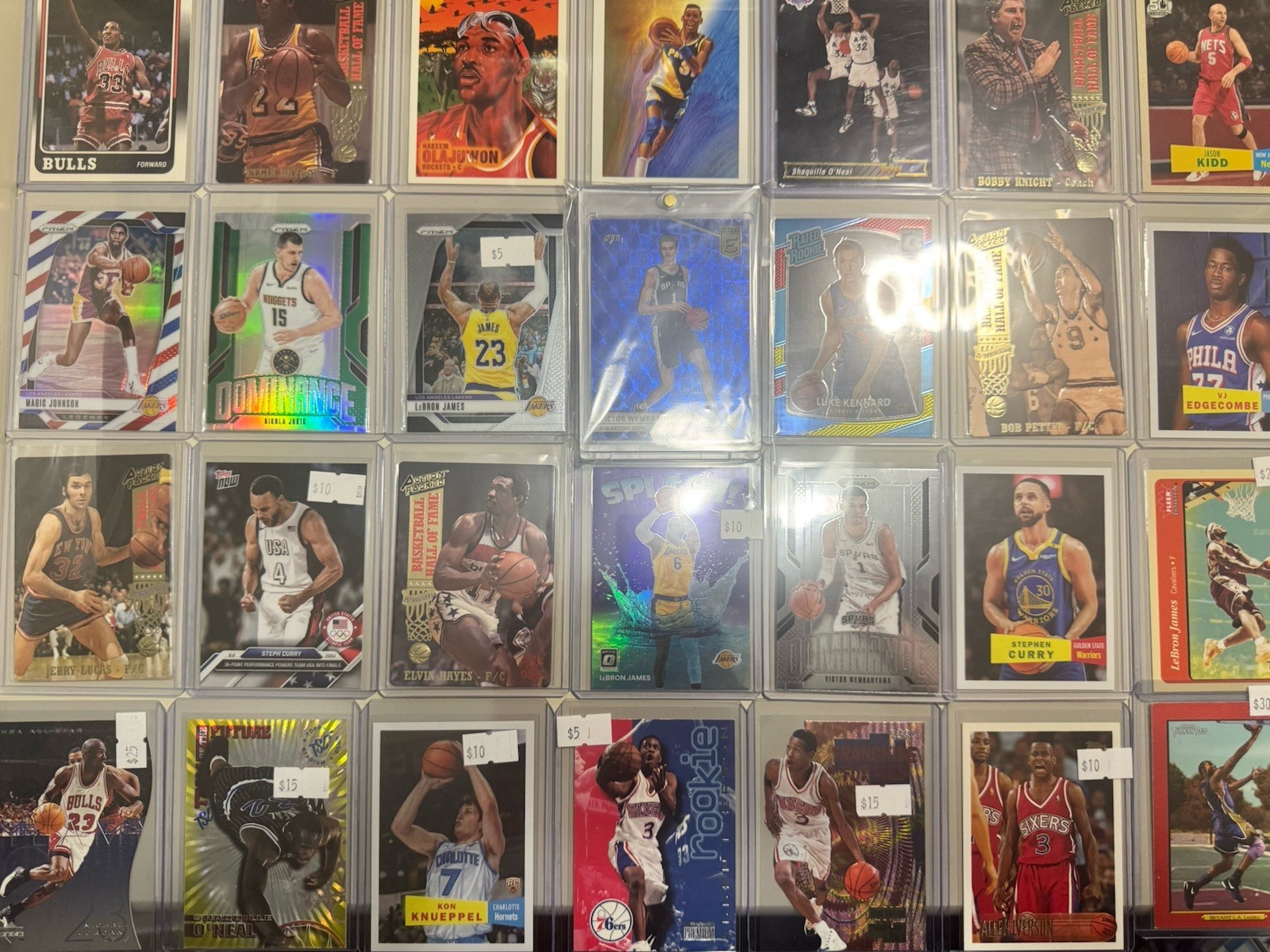
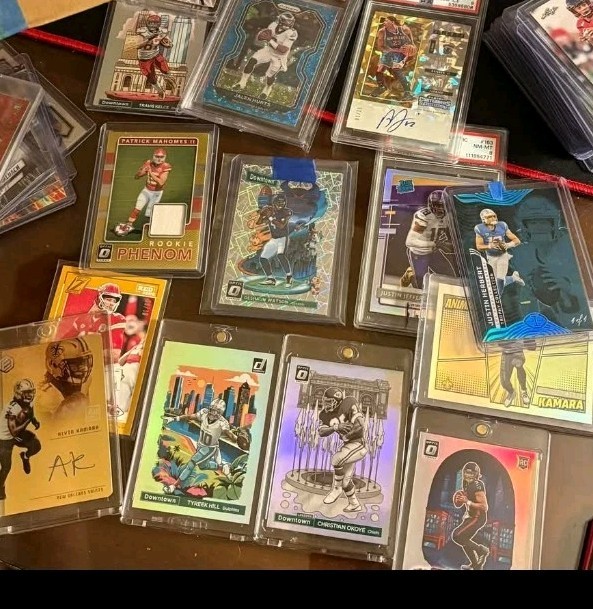



eBay links are affiliate links: JunkPal may earn a commission at no cost to you.
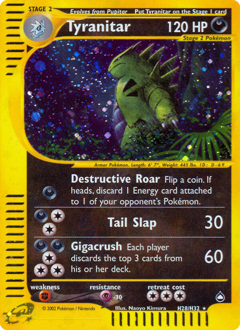
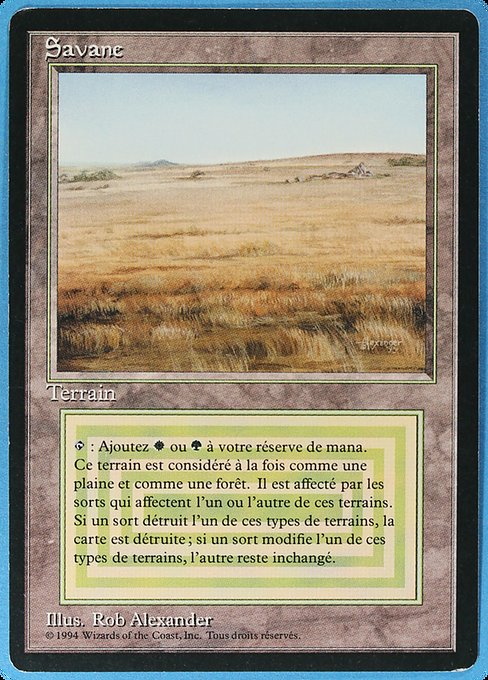
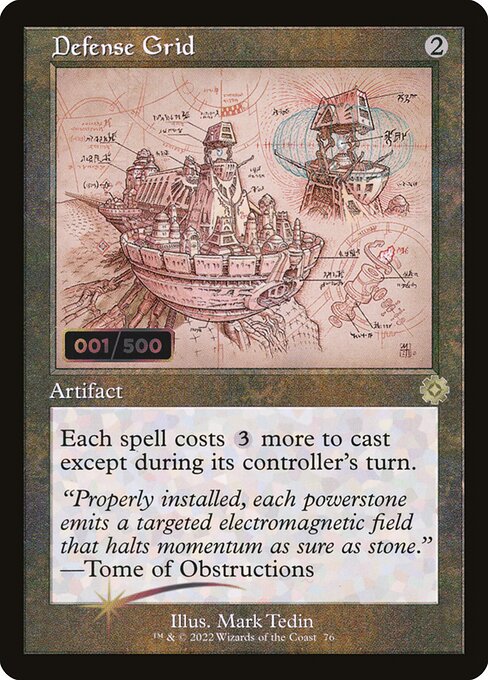
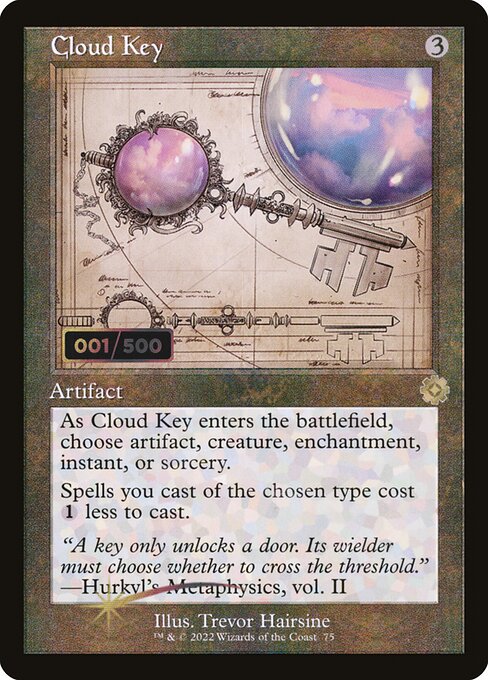
Resale values related to card interaction
Shop card interaction on eBay ↗![Gengar [Reverse Holo] #10](/api/images/junkpal-products/cards/gengar-reverse-holo-10-pokemon-skyridge-card/img0/thumb.webp)
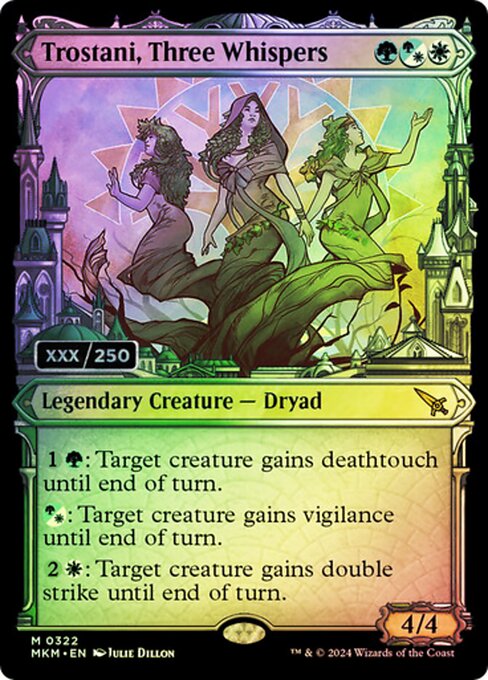
JunkPal may earn a commission when you buy through eBay links, at no extra cost to you.
What’s worth the most
Ranked on medians of real closed eBay sales, not asking prices.