What does “card illustration” mean?
What it means
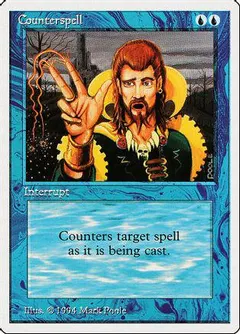
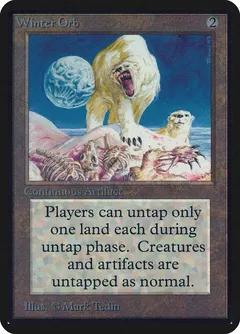
Card illustration is the complete visual design printed on a trading card. This includes the character art, background elements, color palette, and any graphic overlays or effects. It is distinct from the card's rarity or chase status; it is purely the artistic presentation. In the collecting niche, the illustration's execution—the artist's reputation, the complexity of the design, and the quality of the printing—is a standalone aesthetic attribute. A mainstream equivalent would be the cover art of a collectible book, but applied specifically to the card's surface.
What it does to price
Illustration quality acts as a qualitative modifier on a card's base market value. High-demand, recognized artists can introduce a multiplier of 1.2x to 2.5x over a standard version of the same card, even if the card's population report remains unchanged. Conversely, a noticeably weak or rushed illustration can suppress value, sometimes by 10-20% compared to a visually strong counterpart. For example, a common card featuring a highly celebrated concept artist might trade for $15, while the same card with a generic, uncredited illustration might trade for $8.
How to spot it
Inspection requires close examination under bright, consistent light. Look for registration errors (where colors are misaligned), color banding, or pixelation, which indicate poor print quality. For high-value cards, request high-resolution scans or photos showing the card's surface texture. Common issues include color shifting due to poor ink application or noticeable bleed-through from the card stock. Fakes often feature slightly off-register printing or a lack of the fine line work characteristic of the original artist's style.
Buying smart
Paying a significant premium solely for illustration is justified when the artist is a recognized figure in the hobby or when the artwork is demonstrably unique to the set—a "key art" piece. If the illustration is merely "nice" but not exceptional, the premium is likely speculative and unwarranted. A fair deal involves the premium being proportional to the artist's established market value or the visual impact of the art. If the difference in price between two cards is large, verify the artist attribution first.
Selling smart
Listing the illustration quality accurately dictates buyer perception. If the art is a known standout piece, explicitly mention the artist and the visual quality in the description. Use terms like "Masterpiece Artwork" or "Signature Artist Rendering" if appropriate. The single most effective element to earn a premium is a clear, well-lit, high-resolution photo focusing solely on the artwork, allowing the buyer to visually confirm the quality being claimed.
On eBay right now
Current asking prices from live listings — not sold-comp medians.

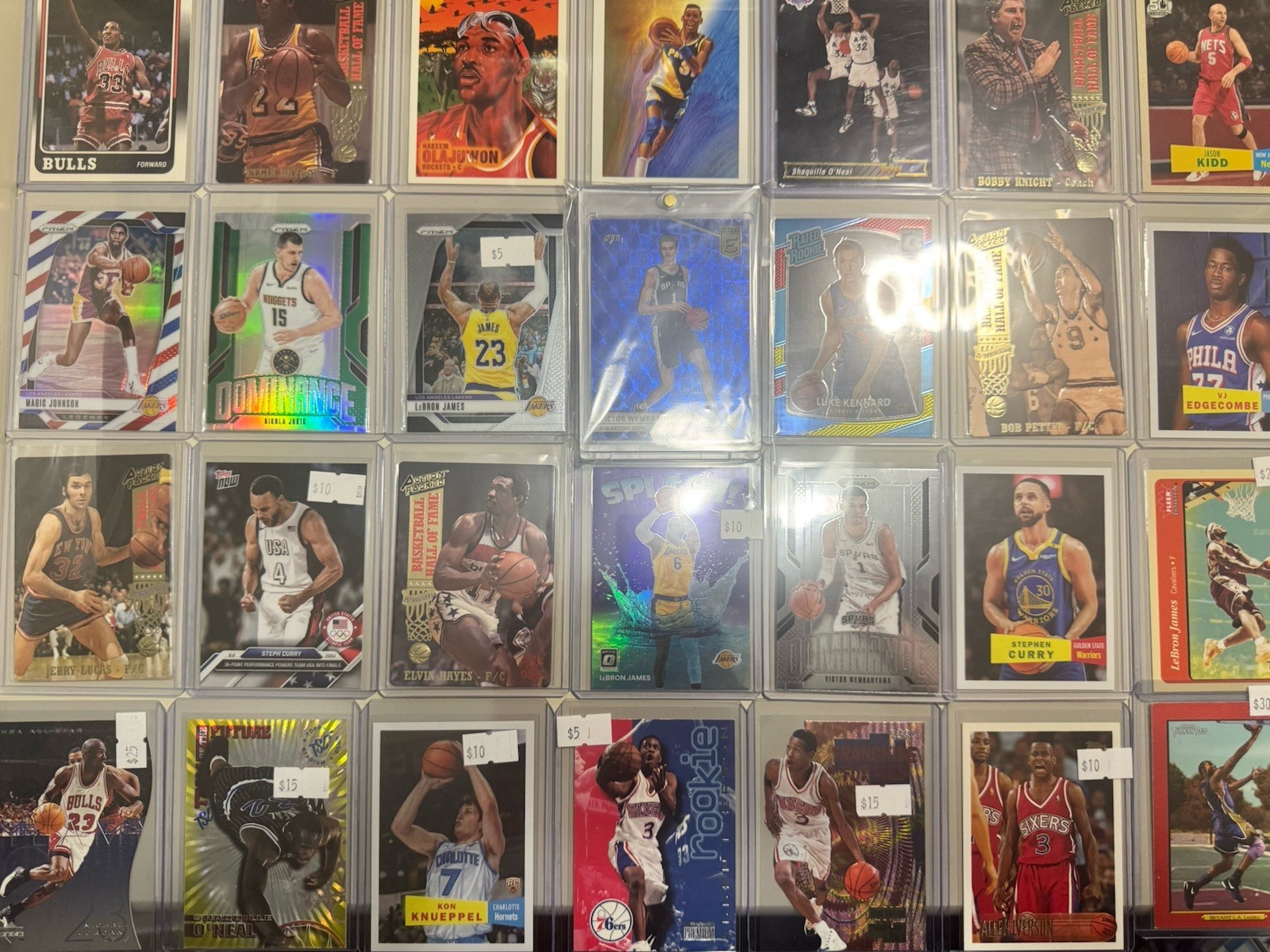
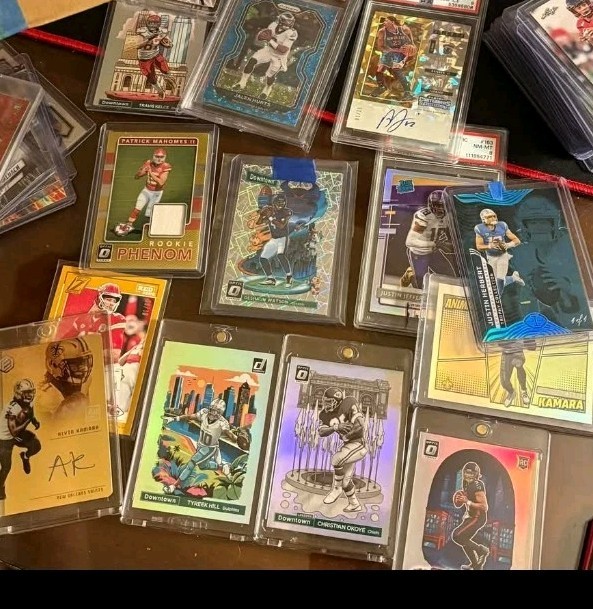

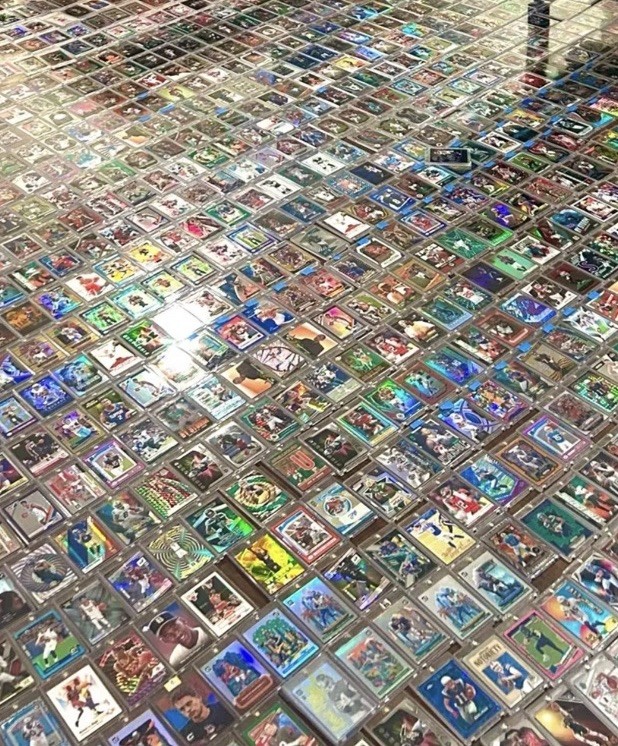

eBay links are affiliate links: JunkPal may earn a commission at no cost to you.
Resale values related to card illustration
Shop card illustration on eBay ↗
![Voltorb [Tekno] #100](/api/images/junkpal-products/cards/voltorb-tekno-100-pokemon-2000-topps-chrome-card/img0/thumb.webp)


JunkPal may earn a commission when you buy through eBay links, at no extra cost to you.
What’s worth the most
Ranked on medians of real closed eBay sales, not asking prices.