What does “card hunt” mean?
What it means
Card hunt is the active, systematic search for specific, high-value trading cards. It is the procurement phase of collecting or reselling. This process involves scouring various sources: online marketplaces (eBay, dedicated forums), local card shows, and bulk inventory liquidation. It is distinct from casual browsing; it implies a targeted mission based on a pre-defined checklist of desired assets. For resellers, the hunt directly determines inventory quality and potential profit margin.
What it does to price
The success of a card hunt directly impacts perceived value. Finding a rare, graded rookie card (e.g., a PSA 10) during a focused hunt allows the reseller to command a significant premium over the average market price for the same card. A sought-after, low-population variant pulled from a bulk lot might fetch 1.8x its standard loose market value, whereas a common card found during the same hunt might only realize 0.8x its standard price due to low demand. A successful hunt yields high-variance returns; one valuable find can cover the cost of dozens of low-value acquisitions.
How to spot it
Identifying valuable finds requires knowledge beyond just the card image. Sellers must provide high-resolution images showing card edges, corners, and the back printing to verify authenticity and condition. Look for specific print variations, such as serial numbers or color shifts, which often denote limited editions. Common mistakes include mislabeling bulk lots or failing to disclose minor surface wear (scratches, print lines). If a seller is vague about the card's origin or condition, it is a red flag, regardless of the apparent rarity.
Buying smart
Paying a premium for a card discovered during a hunt is justified when the card is a verified, high-demand asset (e.g., a top-tier rookie or short-print parallel) and the acquisition cost is less than 20% of the expected retail value. If the card is a speculative pull from a low-tier set, the premium paid during the hunt is likely wasted capital. A fair deal means the acquisition cost plus shipping is less than 50% of the card’s established market value, assuming it is in acceptable condition.
Selling smart
Proving the card was acquired via a dedicated hunt, especially if the hunt involved sifting through a specific, hard-to-access source (like a sealed, unopened vintage box), adds narrative value. This narrative justifies a slight price bump. The single most effective element in a listing is a photo showing the card alongside its original packaging or a unique identifying feature from the source material. Using the phrase "Sourced from targeted hunt" in the description can signal provenance and encourage buyers willing to pay a small premium for verified acquisition history.
On eBay right now
Current asking prices from live listings — not sold-comp medians.

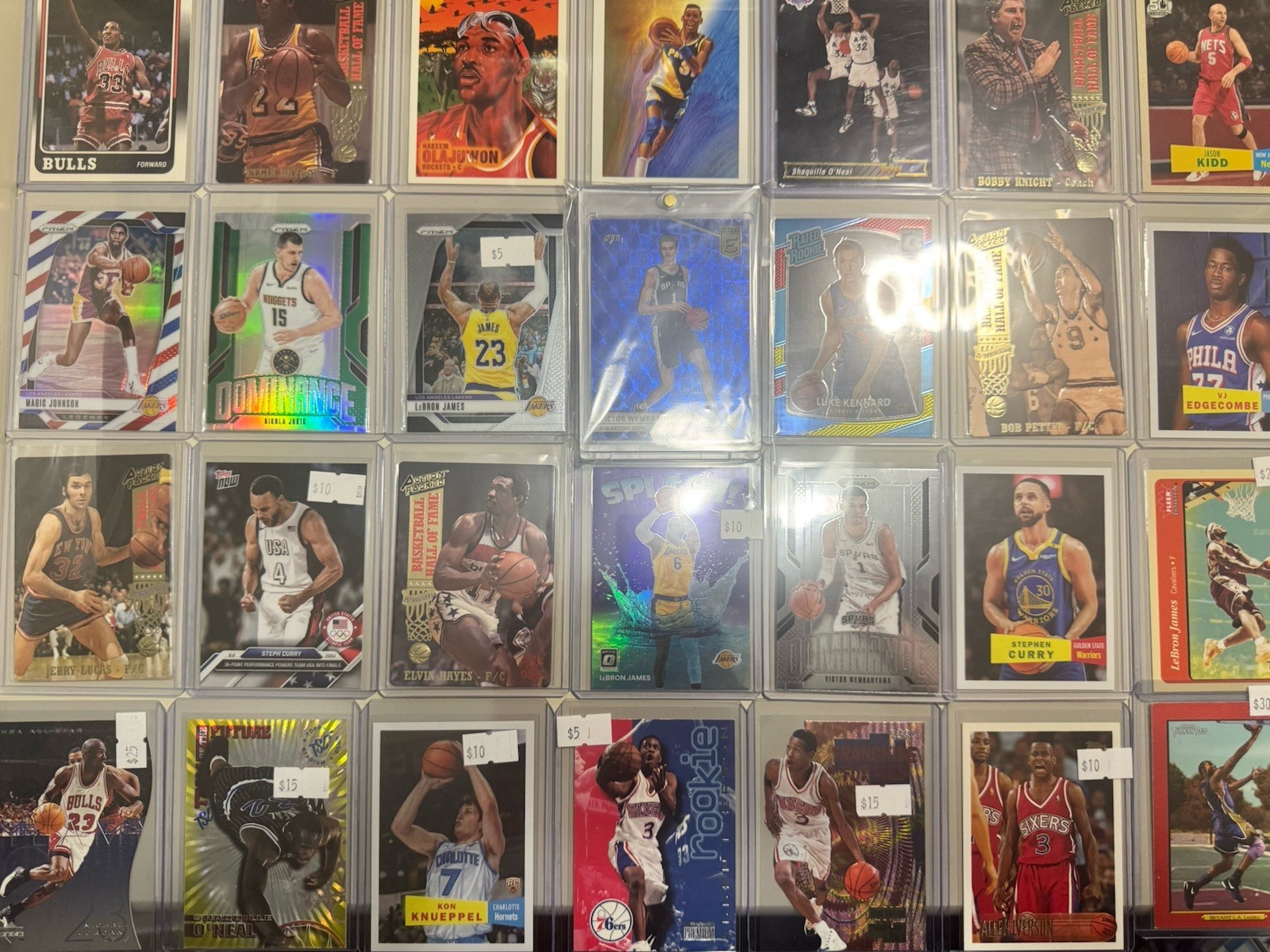
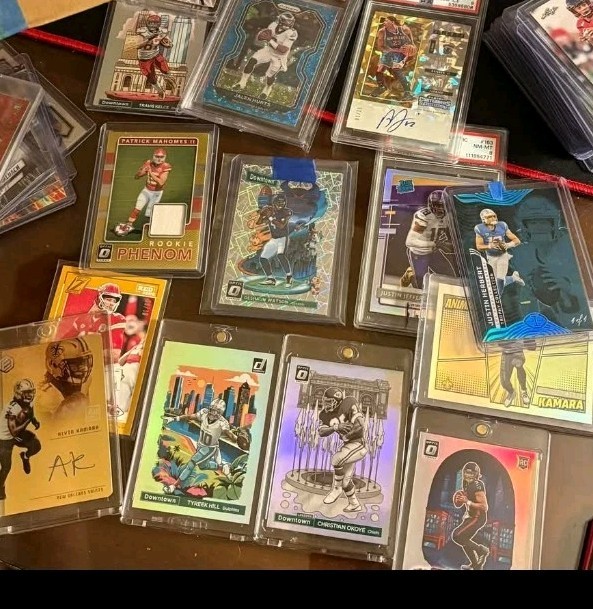



eBay links are affiliate links: JunkPal may earn a commission at no cost to you.
Resale values related to card hunt
Shop card hunt on eBay ↗
![Jolteon [Tekno] #135](/api/images/junkpal-products/cards/jolteon-tekno-135-pokemon-2000-topps-chrome-card/img0/thumb.webp)
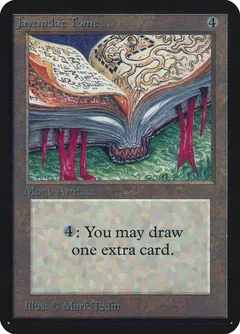

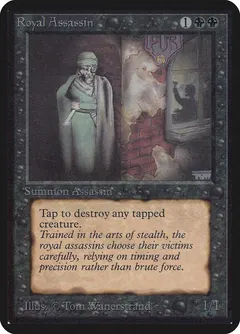


JunkPal may earn a commission when you buy through eBay links, at no extra cost to you.
What’s worth the most
Ranked on medians of real closed eBay sales, not asking prices.