What does “card flip” mean?
What it means
Card flip refers to the act of turning a trading card over to view its reverse side. In the collecting niche, this is a standard inspection procedure, not a specific action with inherent value beyond inspection. The back design is secondary to the front artwork and condition. While some cards feature unique back designs—such as promotional text or specific set identifiers—this is generally a tertiary point of interest. The primary purpose of flipping a card is to assess the reverse surface for damage, which directly impacts the card's overall grade, particularly concerning centering and surface integrity.
What it does to price
The back condition itself rarely drives significant price increases unless the reverse features extremely rare or unique printing (e.g., error printing on the back). Minor blemishes on the back, such as slight edge wear or minor staining, will cause a grade reduction, which translates to a measurable price decrease. For instance, a card graded 9.5 with minor reverse wear might sell for 15-20% less than a perfect 9.5 copy. Conversely, if the back contains a verifiable, documented error that is highly sought after, the value can spike 2x to 5x over a standard version, irrespective of the front grade.
How to spot it
Inspection requires looking for specific tells on the reverse. Check for printing misalignment, ink bleed, or any discoloration that suggests exposure to moisture or chemicals. Edition markers or specific legal text on the back can confirm print runs or regional variations. When buying online, request high-resolution photos of the back, ensuring the card is held flat under bright light. A common honest mistake is minor corner dings on the back that are missed during grading. A more serious issue is counterfeiting, where the back print quality often lacks the sharp registration of the front.
Buying smart
Paying a premium for a card solely because of its back design is usually unwarranted unless that design is known to be an error or a highly limited variant. The premium is only justifiable when the back condition is pristine *and* the front is near-perfect. If the card is being purchased for investment, the focus must remain on the front centering and surface condition. A fair deal involves the asking price accurately reflecting the known condition of both sides; if the seller is hiding back damage, the discount should be substantial.
Selling smart
When listing a card, providing clear, well-lit photos of both the front and the back is mandatory. This preempts buyer questions and builds trust. If the back is flawless, this detail can be mentioned in the description ("Reverse condition excellent"). If the back has minor, documented wear, disclosing it prevents returns and manages buyer expectations. The single most effective element for earning a premium is providing a high-resolution, close-up photo of the back that proves its integrity, especially if the card is being sold as "Near Mint" or higher.
On eBay right now
Current asking prices from live listings — not sold-comp medians.

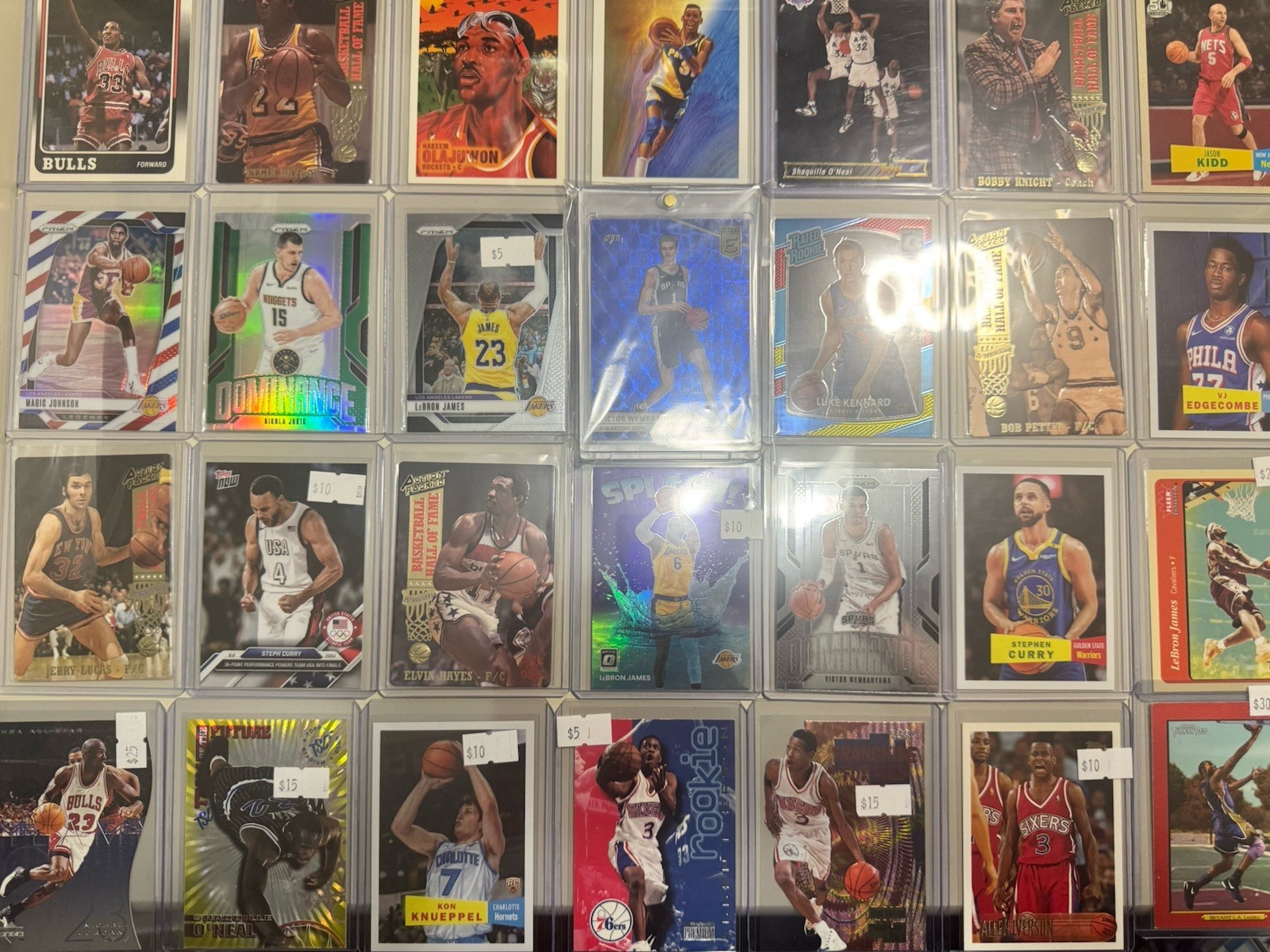
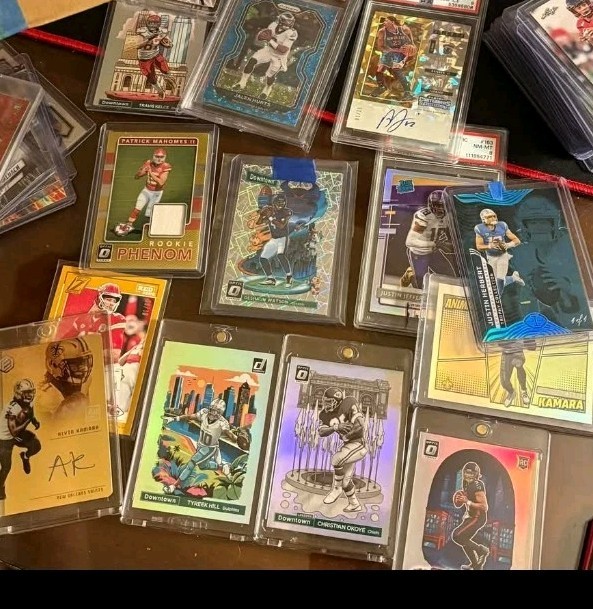


eBay links are affiliate links: JunkPal may earn a commission at no cost to you.
Resale values related to card flip
Shop card flip on eBay ↗







JunkPal may earn a commission when you buy through eBay links, at no extra cost to you.
What’s worth the most
Ranked on medians of real closed eBay sales, not asking prices.