What does “card condition report” mean?
What it means
A card condition report is a formal, detailed documentation of a trading card's physical state. It moves past a single numerical grade (like PSA 9) to offer granular specifics on wear. This includes documented flaws such as corner dings, surface scratches, print defects (e.g., color shifts or misprints), or edge whitening. For the reseller or collector, this report functions as an objective third-party appraisal of the card's integrity. It is the detailed evidence supporting the final grade, providing a factual baseline for valuation rather than relying solely on subjective visual inspection.
What it does to price
Condition documentation directly dictates market value. A card with a verified, high-quality condition report commands a premium over an ungraded counterpart of the same rarity. The multiplier varies by card tier, but a professionally graded card (e.g., PSA 10) can fetch 2x to 5x the price of a comparable raw/ungraded copy. Flaws noted in the report—even minor ones—will apply a downward adjustment. For example, a common card graded 9.5 with a documented light surface scuff might sell for $150, whereas the same card ungraded but appearing perfect might only sell for $100. The report quantifies the risk.
How to spot it
Condition reports come in several forms: third-party slabbed reports (PSA, Beckett) or detailed, professional-grade condition reports provided by specialized dealers. The tells are the specific language used: "Centering: Excellent," "Surface: Minor handling marks noted on upper left quadrant." When buying raw, request high-resolution photos focusing on the corners, edges, and the card's surface under bright light. Be wary of sellers who claim a "condition report" but only provide a vague, self-written note without photographic evidence or a traceable grading service reference.
Buying smart
Paying a premium for a graded card is justified when the card is a high-value, centerpiece item (e.g., a rookie autograph or rare parallel) where the market dictates scarcity. If the card is low-tier or common, the premium paid for the grading service often outweighs the incremental value increase. A fair deal involves the final sale price being within 15-25% of the established market average for that specific grade. If the report details significant, unlisted flaws, the premium is unwarranted.
Selling smart
Proving condition via a report shifts the sales dynamic from negotiation to transaction. When listing, referencing the report number (e.g., "PSA 9, Report #12345") immediately establishes credibility and anchors the buyer's expectations. The single most valuable element in a listing is the *verified slab* or the *official report PDF*. This evidence allows the seller to command the top end of the market range, as the buyer saves time and risk by accepting the documented state rather than arguing over perceived imperfections.
On eBay right now
Current asking prices from live listings — not sold-comp medians.

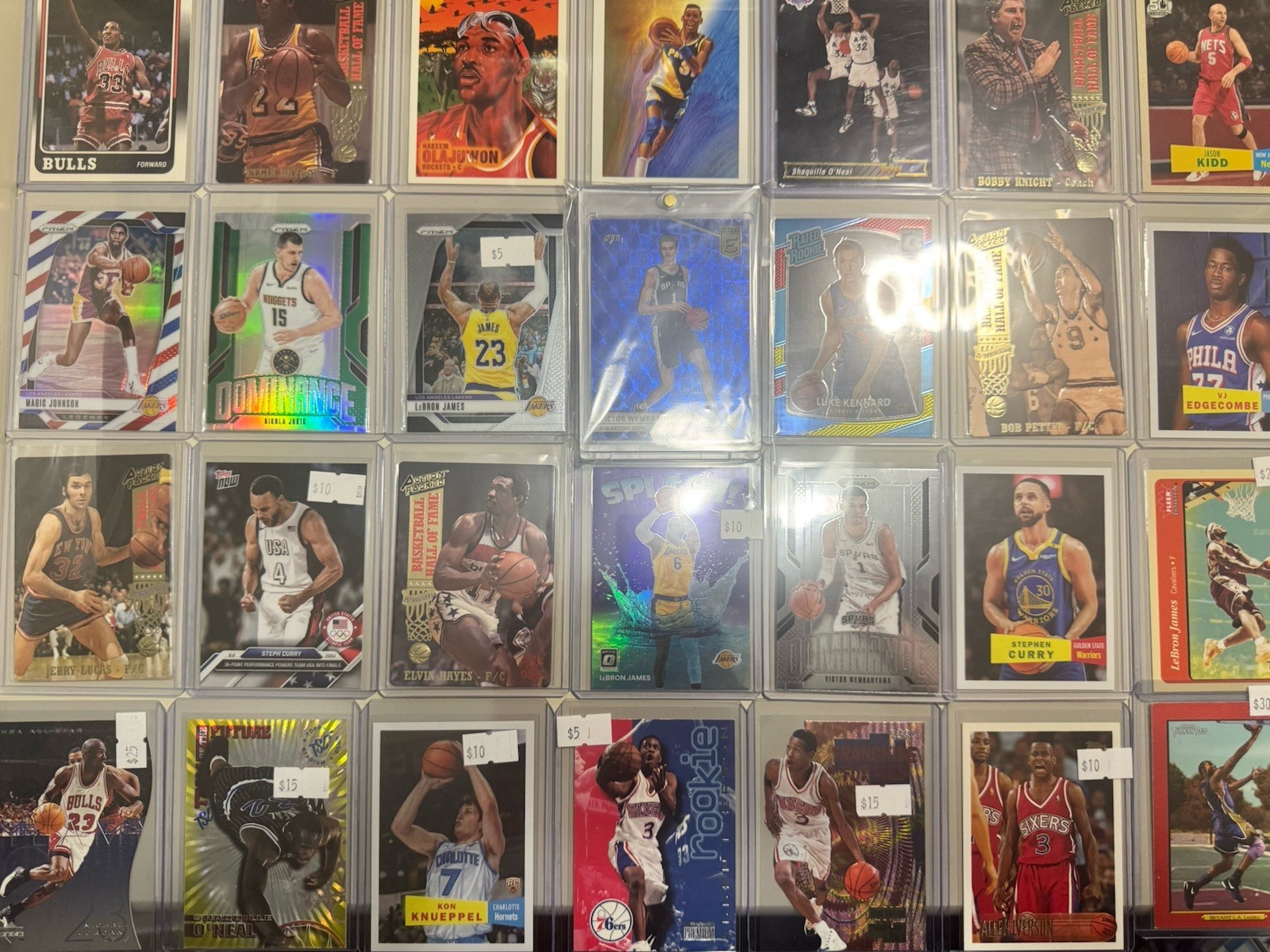
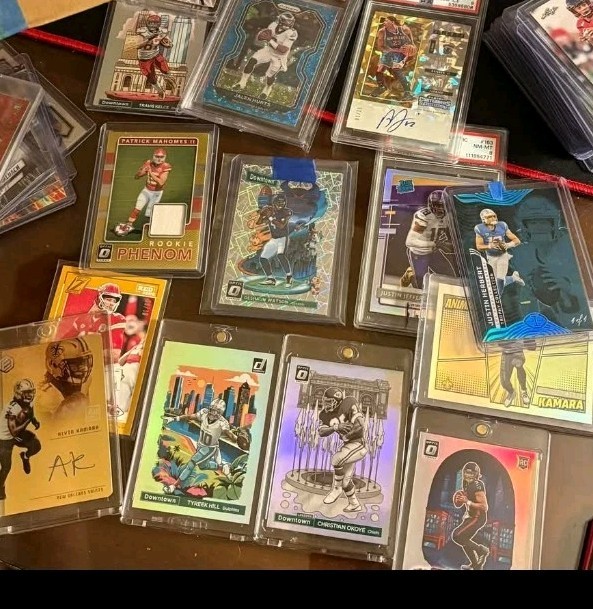


eBay links are affiliate links: JunkPal may earn a commission at no cost to you.
Resale values related to card condition report
Shop card condition report on eBay ↗






![Kabutops [Sparkle] #141](/api/images/junkpal-products/cards/kabutops-sparkle-141-pokemon-2000-topps-chrome-card/img0/thumb.webp)
JunkPal may earn a commission when you buy through eBay links, at no extra cost to you.
What’s worth the most
Ranked on medians of real closed eBay sales, not asking prices.