What does “card condition assessment” mean?
What it means
Card condition assessment is the systematic evaluation of a trading card's physical integrity. It goes beyond simply noting "good" or "bad." This assessment breaks down specific attributes: centering (how evenly the image is positioned within the card borders), corners (sharpness and presence of dings or rounding), edges (straightness and presence of chipping), and surface integrity (scratches, print lines, print variation, or whitening). The mainstream equivalent is quality control inspection. The goal is to translate these physical observations into a standardized, quantifiable grade (e.g., PSA 10, SGC 8.5).
What it does to price
Condition dictates the vast majority of a card's market value. The difference between a Near Mint (NM) and a Gem Mint (GM) copy can be 3x to 10x the price, depending on the card's rarity. Centering is a major multiplier; a perfectly centered card can fetch 1.5x to 2x the price of a slightly off-center copy of the same grade. Surface flaws, such as print lines or light scratches, can cause a drop of 20% to 40% from the expected grade price. For example, a PSA 10 rookie card might sell for $1,000; if it has a noticeable surface print line, it may drop to $600-$750.
How to spot it
Inspection requires magnification and direct, bright light. Check the corners for "whitening" (paper degradation at the edges) or "denting." Examine the edges for chipping, especially along the sides. Centering is checked by measuring the distance from the image to each border; anything over 10% off-center is noticeable. Print quality requires checking for ink bleed or obvious print registration errors. Sellers should provide high-resolution, well-lit photos of all four corners and the card's surface. Be wary of listings that only provide a single, low-resolution photo.
Buying smart
Paying a premium for a high-grade card is justifiable only when the card is a proven, high-demand asset (e.g., a top-tier rookie card or chase parallel). If the card is mid-tier or common, the premium for a perfect grade often does not outweigh the savings of buying a lower-grade copy and having it professionally graded later. A fair deal involves the asking price aligning closely with recent sales data for that specific grade. If a seller claims a "Gem Mint" but the photos show noticeable edge wear, the deal is not fair.
Selling smart
Proving the card's condition through detailed photography is non-negotiable. Buyers pay a significant premium for documented condition assurance, which reduces perceived risk. The single most effective element in a listing is a clear, close-up photo showing the card's surface under direct light, allowing the buyer to visually confirm the lack of scratches or print flaws. If the card is graded, the slab photo is the ultimate proof. If ungraded, the seller must document the specific flaws (e.g., "light corner rounding on upper left") to manage expectations and earn trust.
On eBay right now
Current asking prices from live listings — not sold-comp medians.

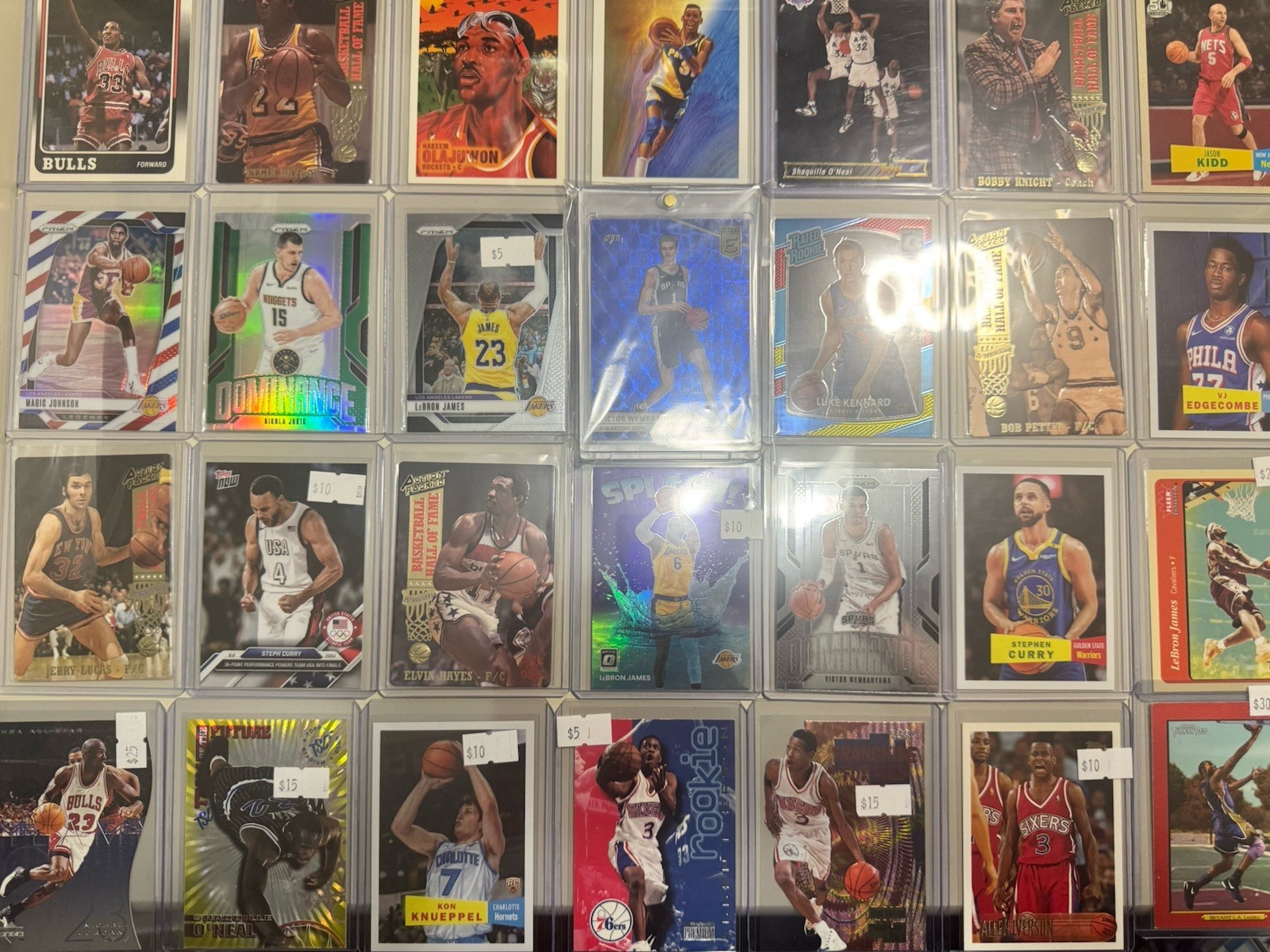
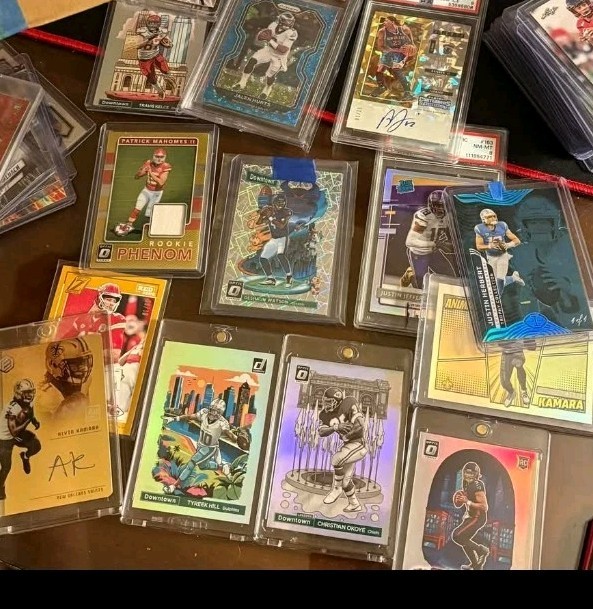

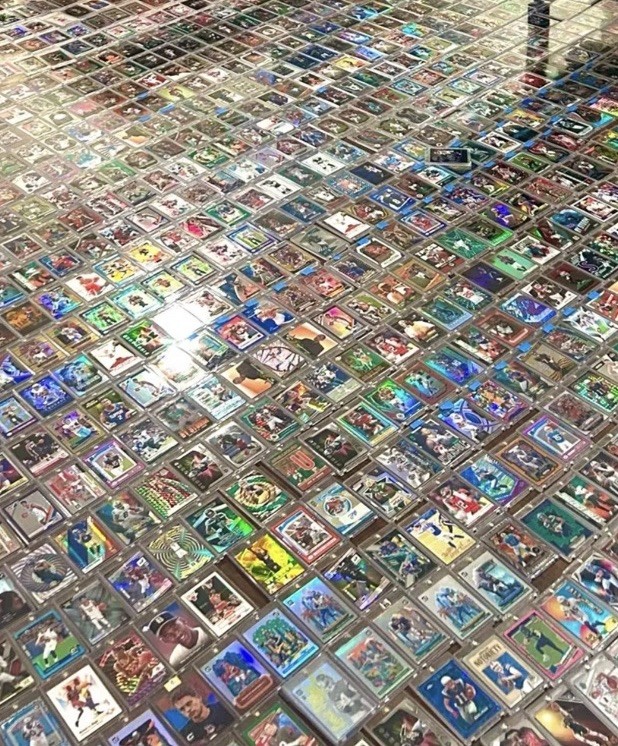

eBay links are affiliate links: JunkPal may earn a commission at no cost to you.
Resale values related to card condition assessment
Shop card condition assessment on eBay ↗
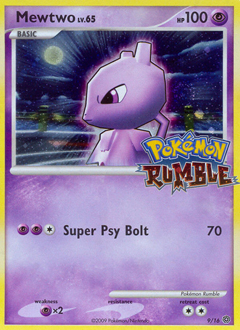
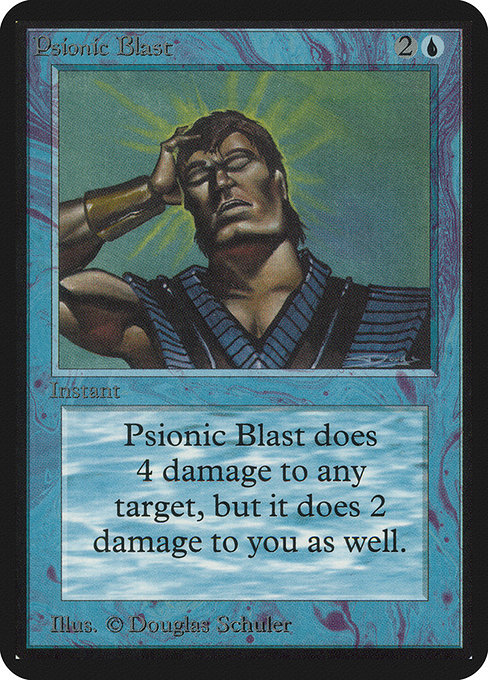
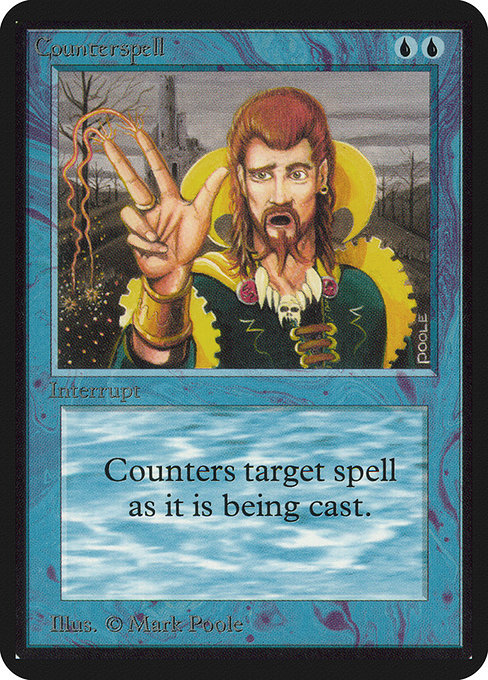
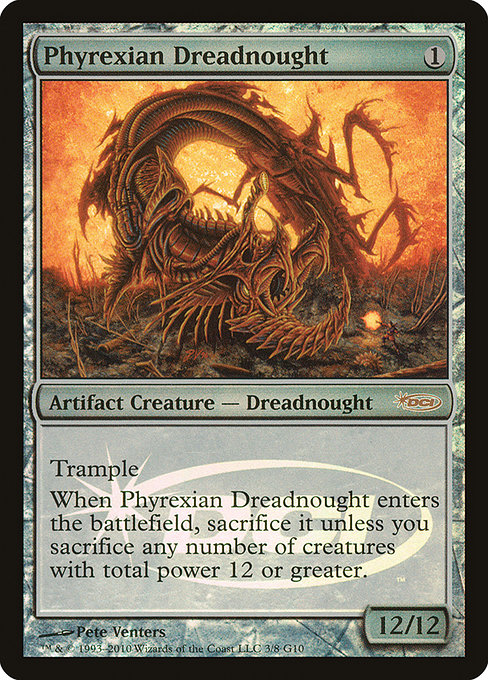


JunkPal may earn a commission when you buy through eBay links, at no extra cost to you.
What’s worth the most
Ranked on medians of real closed eBay sales, not asking prices.