What does “card art” mean?
What it means
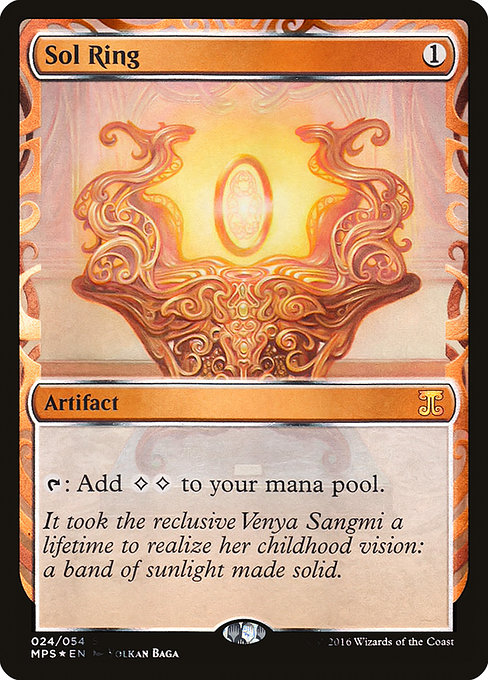
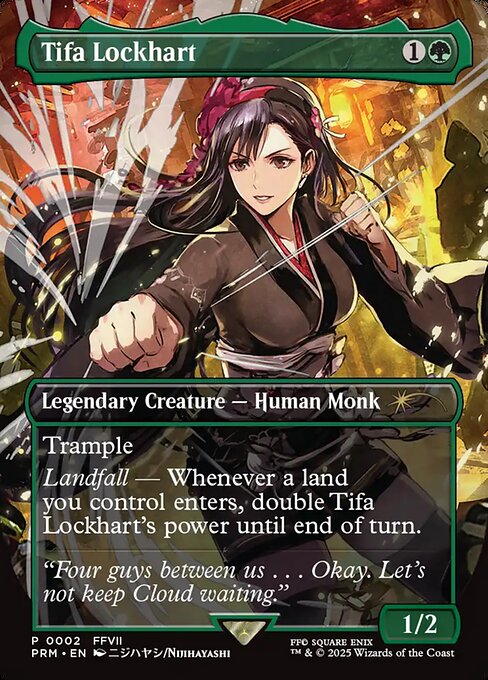
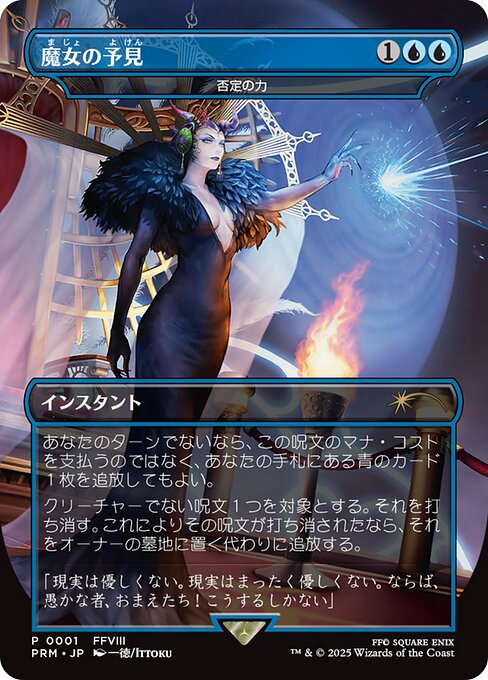
Card art is the complete visual presentation of a trading card. This includes the primary character illustrations, background elements, graphic design layout, and any unique artistic overlays. It is not simply the picture of the character; it covers the entire aesthetic package. For collectors, "art" is a core component of the card's identity. Variations in the art—such as different artist signatures, exclusive promotional treatments, or different printing techniques (e.g., foil vs. matte)—are specific collectible attributes. The term encompasses the artistic execution, which is distinct from the card's functional stats (like attack power or rarity).
What it does to price
Art quality directly influences market value. A card featuring highly acclaimed or rare artwork can command significant premiums. For example, a common card featuring an artist known for highly desirable work might fetch 2x to 5x the price of a standard version of the same card. Conversely, poor printing, color shift, or noticeable artwork degradation (e.g., ink bleed) can cause a 10-20% immediate discount. A card with a unique, highly sought-after variant art print can see value multipliers exceeding 10x compared to the base version.
How to spot it
Inspection requires checking several elements. Look for subtle differences in the artwork itself, such as slight color palette shifts between print runs. Edition markers are often embedded in the artwork or bordering elements; these must be verified against known sets. When buying online, request high-resolution photos specifically focused on the artwork area, not just the whole card. Common issues include misprints (where an element is slightly off-center or repeated incorrectly) and color registration errors. Fakes often have noticeably softer lines or incorrect texture mapping in the illustration.
Buying smart
Paying a premium for art is justifiable when the artwork is demonstrably rare, artistically iconic, or tied to a specific, limited-run event. If the art is merely "nice" but common, the premium is likely inflated. A fair deal involves the premium being proportional to the documented rarity of the art variant. If a card is listed as having "exclusive art" but no verifiable proof of that exclusivity exists, the price should be discounted until proof is provided.
Selling smart
Proving the uniqueness or quality of the art drives buyer interest and price realization. A clear, high-resolution photo focusing solely on the artwork, especially if it displays a unique print feature (like a specific foil pattern or signature), is crucial. The word "Variant" or "Exclusive Print" used accurately in the title and description, backed by visual evidence, immediately signals a higher tier to knowledgeable buyers, often securing a 15-30% price increase over a standard listing.
On eBay right now
Current asking prices from live listings — not sold-comp medians.

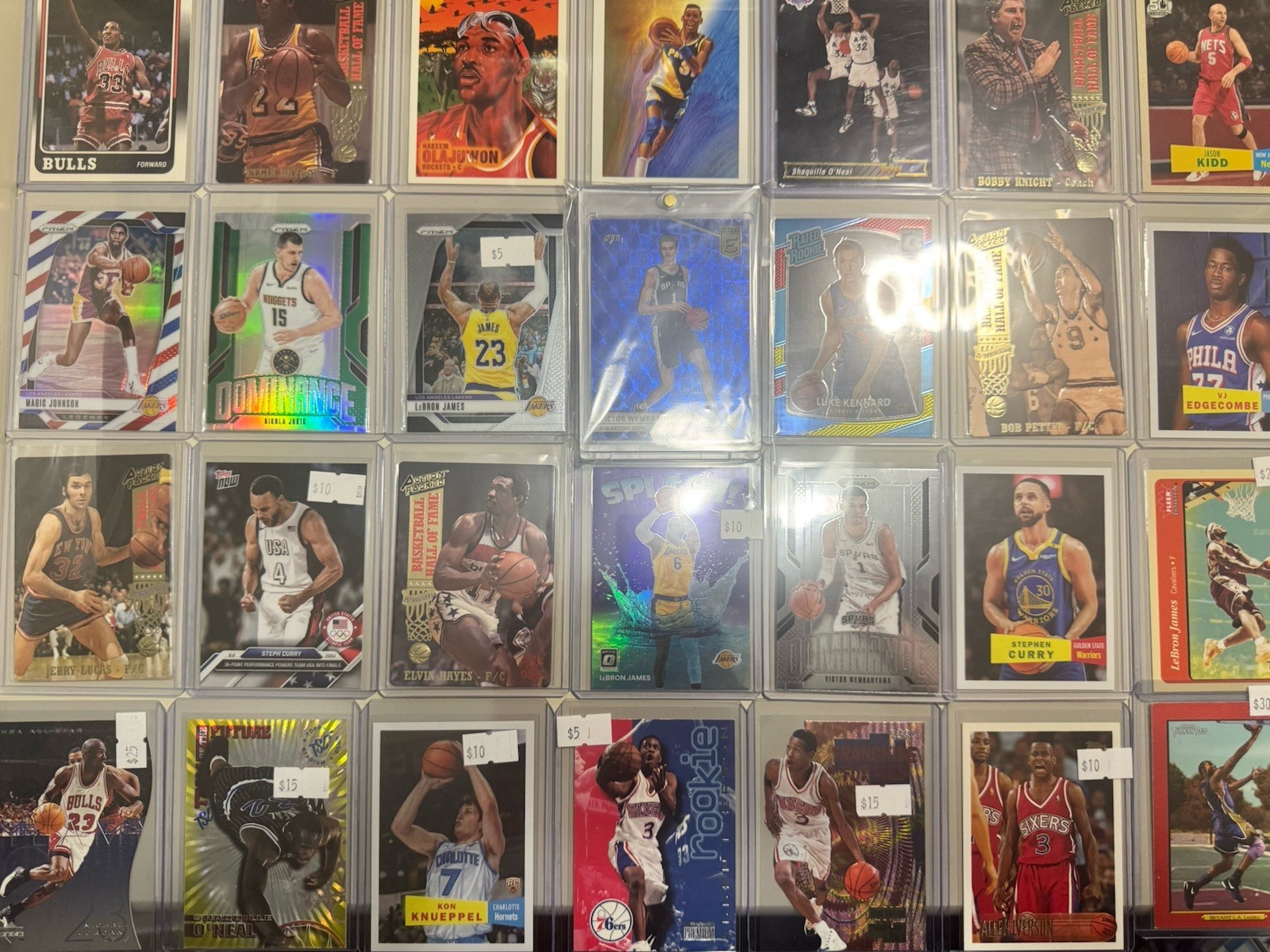
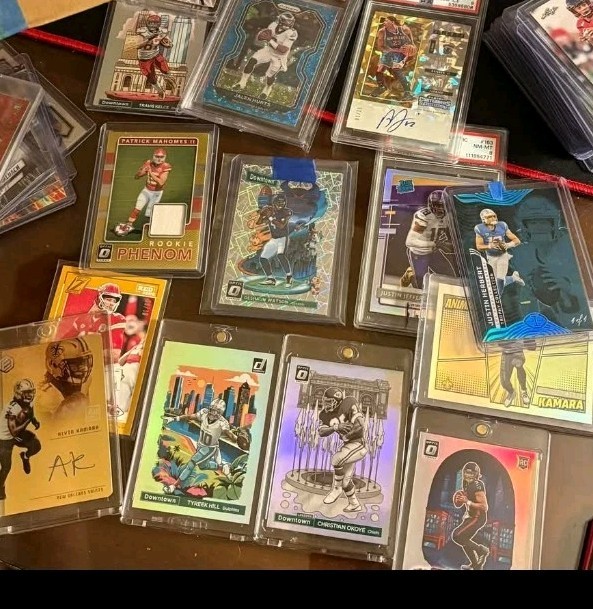

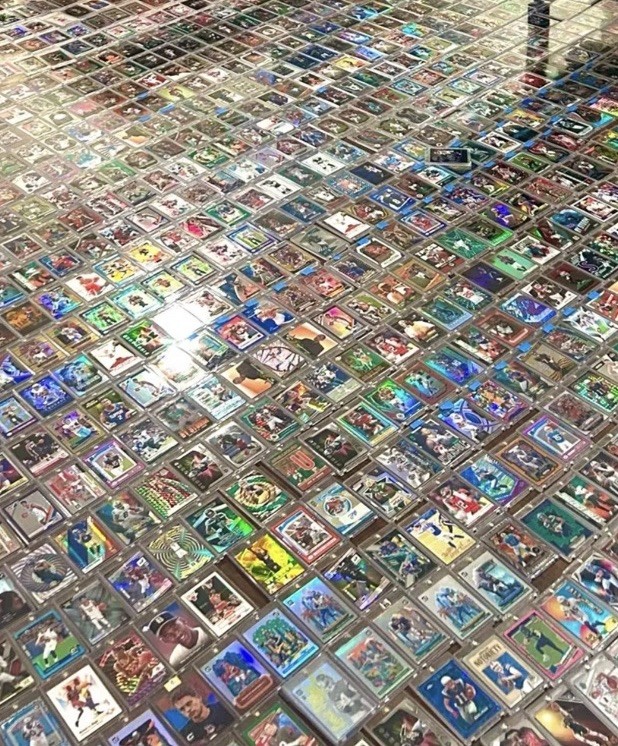

eBay links are affiliate links: JunkPal may earn a commission at no cost to you.
Resale values related to card art
Shop card art on eBay ↗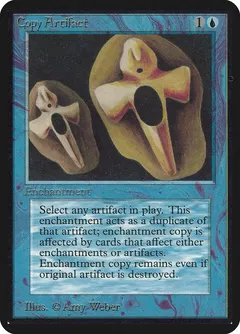

![Articuno [Sparkle] #144](/api/images/junkpal-products/cards/articuno-sparkle-144-pokemon-2000-topps-chrome-card/img0/thumb.webp)


JunkPal may earn a commission when you buy through eBay links, at no extra cost to you.
What’s worth the most
Ranked on medians of real closed eBay sales, not asking prices.