What does “buy low sell high” mean?
What it means
"Buy low sell high" is a general investment principle applied to trading cards. In this niche, it means identifying cards whose current market value is below their potential future value. This is not about speculation based on hype; it requires identifying genuine market inefficiencies. These inefficiencies manifest as cards that are undervalued due to temporary market neglect, or cards whose long-term scarcity (low print run, high demand) has not yet been reflected in the current secondary market price. The core action is acquiring assets below their intrinsic or projected resale value.
What it does to price
Price movement is driven by scarcity and demand velocity. A card that is currently trading at $10 might see a 3x to 10x increase if a major event (e.g., a player breaking into the top 5 rankings, or a set being confirmed as a "chase" release) drives demand. Conversely, if a card is overvalued due to temporary hype, it can drop 20-40% quickly when the initial excitement fades. For example, a common rookie card selling for $2.00 might jump to $6.00 if a major tournament winner uses that card as a centerpiece for a high-profile display.
How to spot it
Spotting undervalued assets requires deep catalog knowledge. Look for cards from smaller, less-popular sets that feature players who are now mainstream stars. Check for print variations—some manufacturers release minor print runs with unique card backs or slight color shifts that are not widely documented but are known to collectors. When evaluating a potential purchase, request high-resolution images of the card edges and corners, specifically looking for centering issues or print lines that might indicate a lower-grade copy being passed off as higher.
Buying smart
Paying a premium is justified when the card meets strict criteria: verifiable scarcity, proven long-term demand (not just short-term hype), and excellent condition (PSA 9 or higher). A fair deal means the purchase price is significantly below the established average auction price for that card's grade over the last six months. If a card is listed at 150% of its established average, the risk outweighs the potential return unless the seller is offering an exceptionally rare variant.
Selling smart
Proving the card's condition and authenticity directly dictates the premium. Listing a card as "Graded PSA 10" versus "Ungraded" can result in a price difference of 50% or more, even if the card itself is physically identical. The single most valuable element in a listing is the official grading slab photo. For high-value items, adding a brief, verifiable note about the card's specific print run or known scarcity factor can move the sale from a standard transaction to a targeted collector acquisition.
On eBay right now
Current asking prices from live listings — not sold-comp medians.

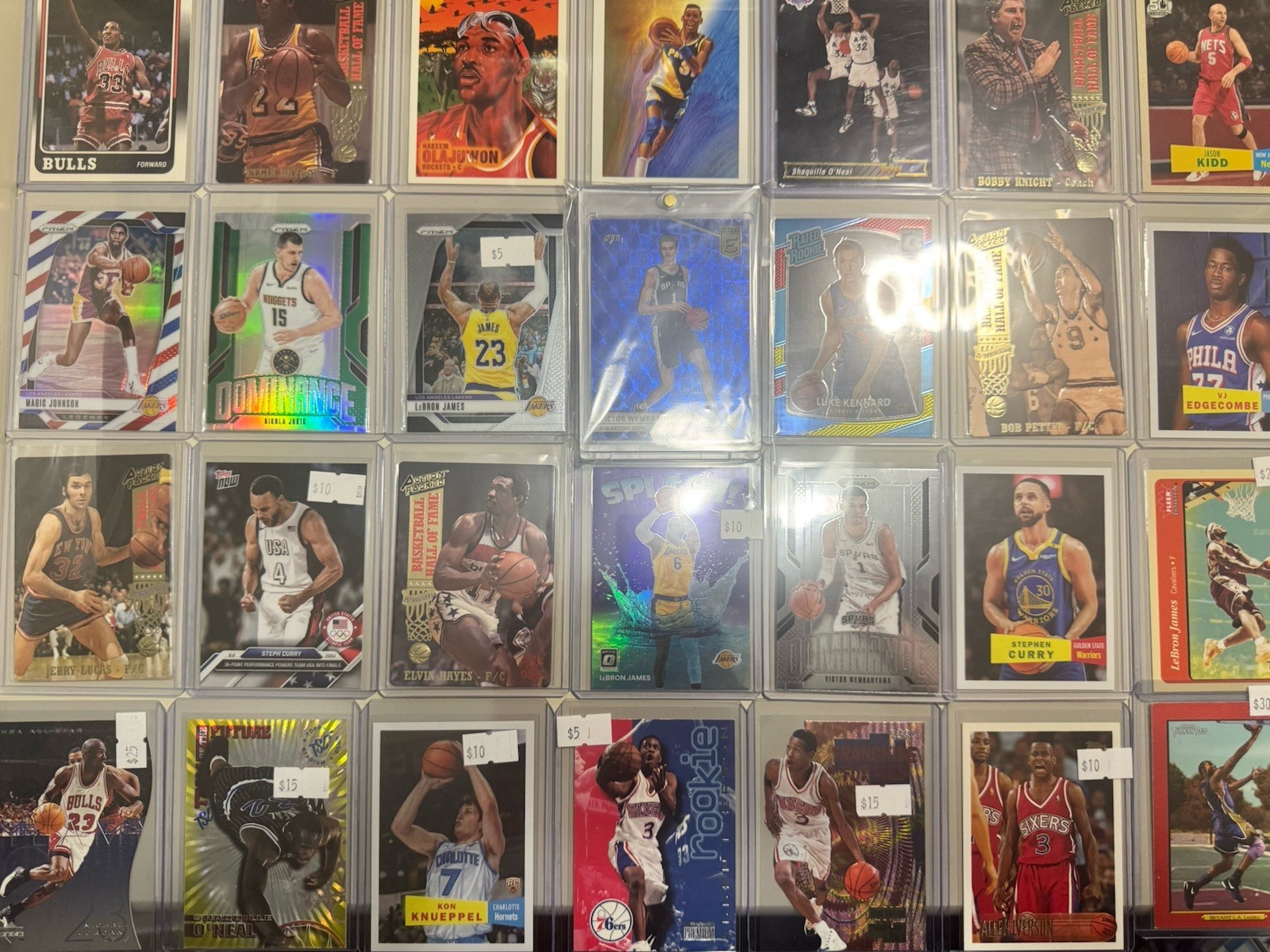
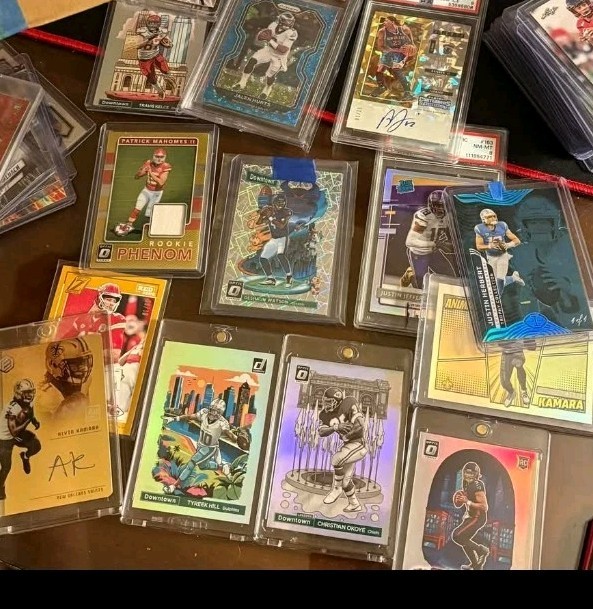


eBay links are affiliate links: JunkPal may earn a commission at no cost to you.
Resale values related to buy low sell high
Shop buy low sell high on eBay ↗
![Summoned Skull [Kid's WB Duelin' Monsters Giveaway] SDY-004](/api/images/junkpal-products/cards/summoned-skull-kid-s-wb-duelin-monsters-giveaway-sdy-004-yugioh-structure-deck-yugi-muto-card/img0/thumb.webp)




JunkPal may earn a commission when you buy through eBay links, at no extra cost to you.
What’s worth the most
Ranked on medians of real closed eBay sales, not asking prices.