What does “bulk purchase” mean?
What it means
A bulk purchase in trading cards is the acquisition of a large volume of cards—often dozens, hundreds, or even cases—transacted as a single unit or lot, rather than buying individual, graded, or singles. This is the wholesale equivalent of buying inventory. While the short definition is accurate, the focus must be on *risk management*. For resellers, it is a high-volume, high-risk inventory acquisition strategy. For collectors, it is a set-completion or archival acquisition method. The term does not imply inherent value; the value is entirely conditional upon the quality and rarity distribution within the lot.
What it does to price
Bulk purchases fundamentally alter the cost basis. The per-unit cost drops significantly compared to buying singles, which is the primary financial incentive. However, the *lot* price is not simply the sum of its parts. A lot containing 50 common cards and 1 rare chase card might sell for $150, whereas the 50 common cards might be worth $10 total, and the rare card $140 loose. The multiplier is highly variable, ranging from 1:1 (if the lot is entirely common filler) to 10:1 or more (if the lot contains multiple high-value inserts or graded cards). A common mistake is assuming the average card value applies; a lot dominated by low-grade commons can easily be worth 20-30% of the stated asking price.
How to spot it
The primary tell is the listing description: "Lot of 100," "Case Grade," or "Unsorted Inventory." Sellers must provide high-resolution photos of the *entire* lot, not just a handful of examples. Key details to demand include the specific set year, card type (e.g., parallel, insert, base), and condition markers (e.g., "mostly near mint," "mixed condition"). Common issues include "filler" lots—lots containing high volumes of common, low-demand cards used to pad the weight or count. Fakes are rare in true bulk unless the seller is intentionally mixing counterfeits into a high-value lot, which requires expert inspection of print quality and card stock.
Buying smart
Paying a premium for bulk is only justifiable when the seller has provided a verifiable breakdown or when the lot is sourced from a known, reputable dealer specializing in high-volume inventory. If the lot is described vaguely ("old cards, good condition"), the premium is unjustified. A fair deal requires the seller to offer a sample breakdown, even if it's just a rough percentage estimate of high-value vs. filler cards. If the lot is priced based on the *potential* of the best card, but the inventory is not disclosed, it is a gamble, not an investment.
Selling smart
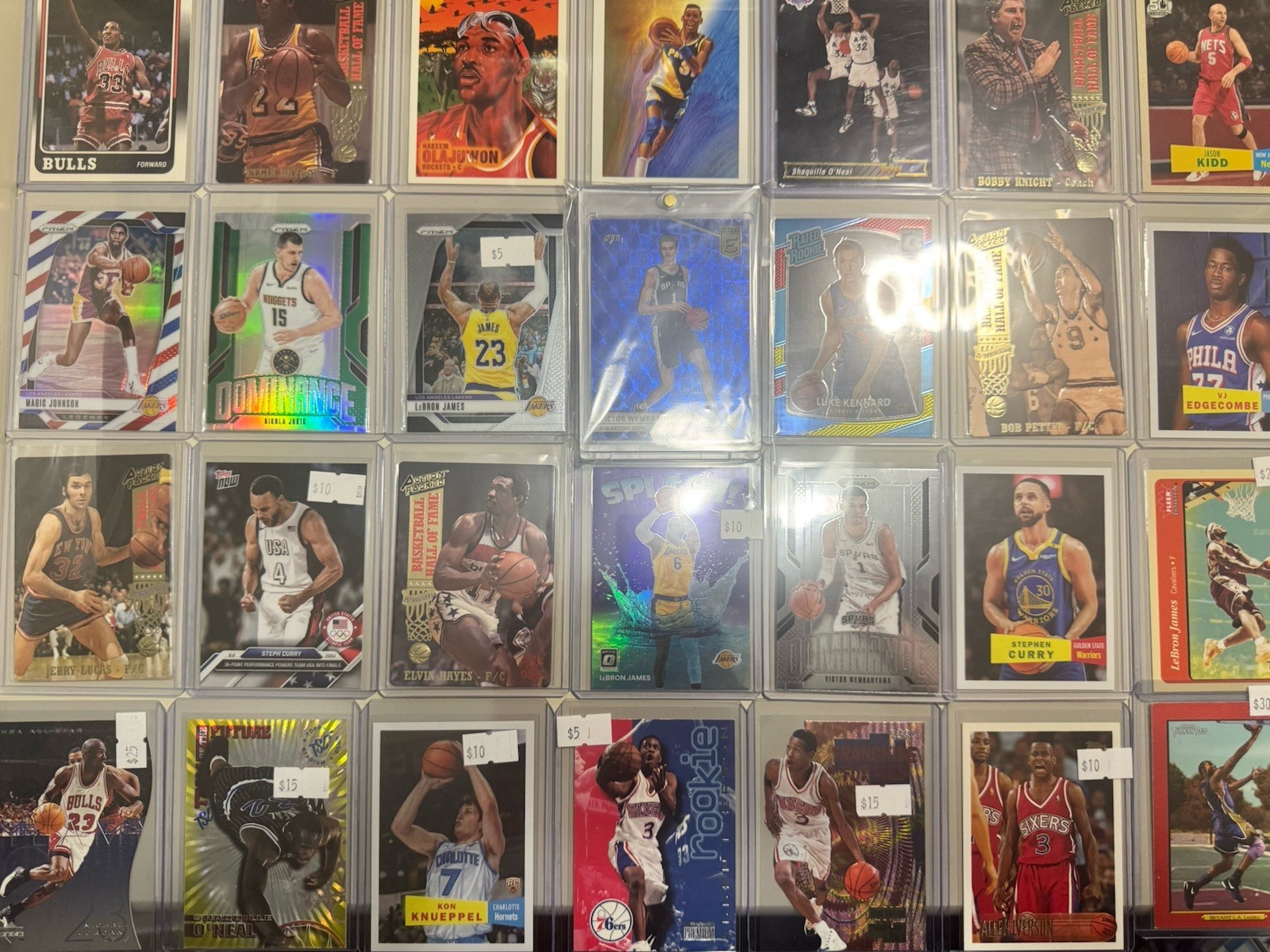
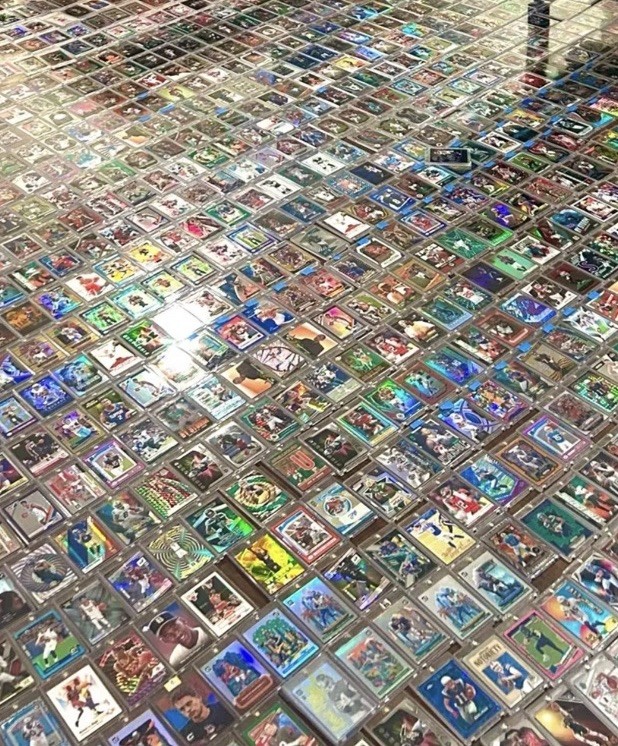
When selling a bulk lot, the description must manage buyer expectations while highlighting the upside. Do not promise specific rarities unless they are guaranteed. Instead, use language that emphasizes *potential* and *volume*. The single most effective element is a clear photo showing the *density* of the lot—a stack or a spread that demonstrates the sheer quantity. A simple word like "Unsorted" or "Raw" in the title signals the condition, but pairing it with a high-quality photo of the entire mass allows the buyer to mentally calculate the potential return, justifying a higher asking price than if the lot were simply listed as "100 Cards."
On eBay right now
Current asking prices from live listings — not sold-comp medians.



eBay links are affiliate links: JunkPal may earn a commission at no cost to you.
Resale values related to bulk purchase
Shop bulk purchase on eBay ↗
![Cubone [Tekno] #104](/api/images/junkpal-products/cards/cubone-tekno-104-pokemon-2000-topps-chrome-card/img0/thumb.webp)


JunkPal may earn a commission when you buy through eBay links, at no extra cost to you.
What’s worth the most
Ranked on medians of real closed eBay sales, not asking prices.