What does “breakdown” mean?
What it means
A breakdown is a granular, documented assessment of a trading card's physical state. It moves beyond subjective grading (e.g., "Near Mint") to itemize specific defects. This includes quantifying centering deviation (e.g., 10% off-center), noting edge wear severity (e.g., light chipping on the top-right corner), and identifying surface anomalies (e.g., minor print lines, print registration errors). The mainstream equivalent is a detailed condition report. It is a factual inventory of flaws, not an opinion on overall value.
What it does to price
The level of detail directly correlates with pricing accuracy. A card with a full breakdown showing minor, non-structural flaws (e.g., slight corner whitening) will typically trade at a discount of 10-25% compared to an identical card with no documented flaws. Conversely, a breakdown confirming a perfect centering (e.g., 5% deviation or less) on a high-demand card can command a 30-50% premium over a poorly centered copy. If a card is listed as "Mint" but the breakdown reveals significant surface scratching, the actual sale price will likely fall 40-60% below the asking price.
How to spot it
Spotting a breakdown requires close inspection, ideally under magnification. Look for printing artifacts: misaligned colors (registration errors) or ink smudges. Centering is checked by measuring the distance from the card's edges to the image borders. Sellers should provide high-resolution, straight-on photos of the corners, edges, and the front/back surfaces. Common honest mistakes include minor edge nicks from handling. Fakes often exhibit inconsistent print quality or incorrect card stock texture, which a detailed breakdown should flag.
Buying smart
Paying a premium for a detailed breakdown is justified when the card is a key centerpiece for a collection or when the difference between a high-grade and low-grade copy represents a significant percentage of the card's market value (e.g., a $500 card). If the card is low-tier or a common pull, the time spent verifying a detailed breakdown rarely justifies the marginal price increase. A fair deal involves the asking price accurately reflecting the *worst* documented flaw, not the best possible scenario.
Selling smart
Documenting the breakdown transforms a subjective listing into an objective sales pitch. Instead of stating "Good condition," listing "Minor corner dings on the bottom left, 15% off-center" manages buyer expectations immediately. This transparency reduces returns and buyer disputes. The single most effective element is a macro photograph focusing solely on the noted flaw—a sharp image of the corner chip or print line. This visual proof allows the seller to justify a premium for the card's overall quality while being honest about its imperfections.
On eBay right now
Current asking prices from live listings — not sold-comp medians.

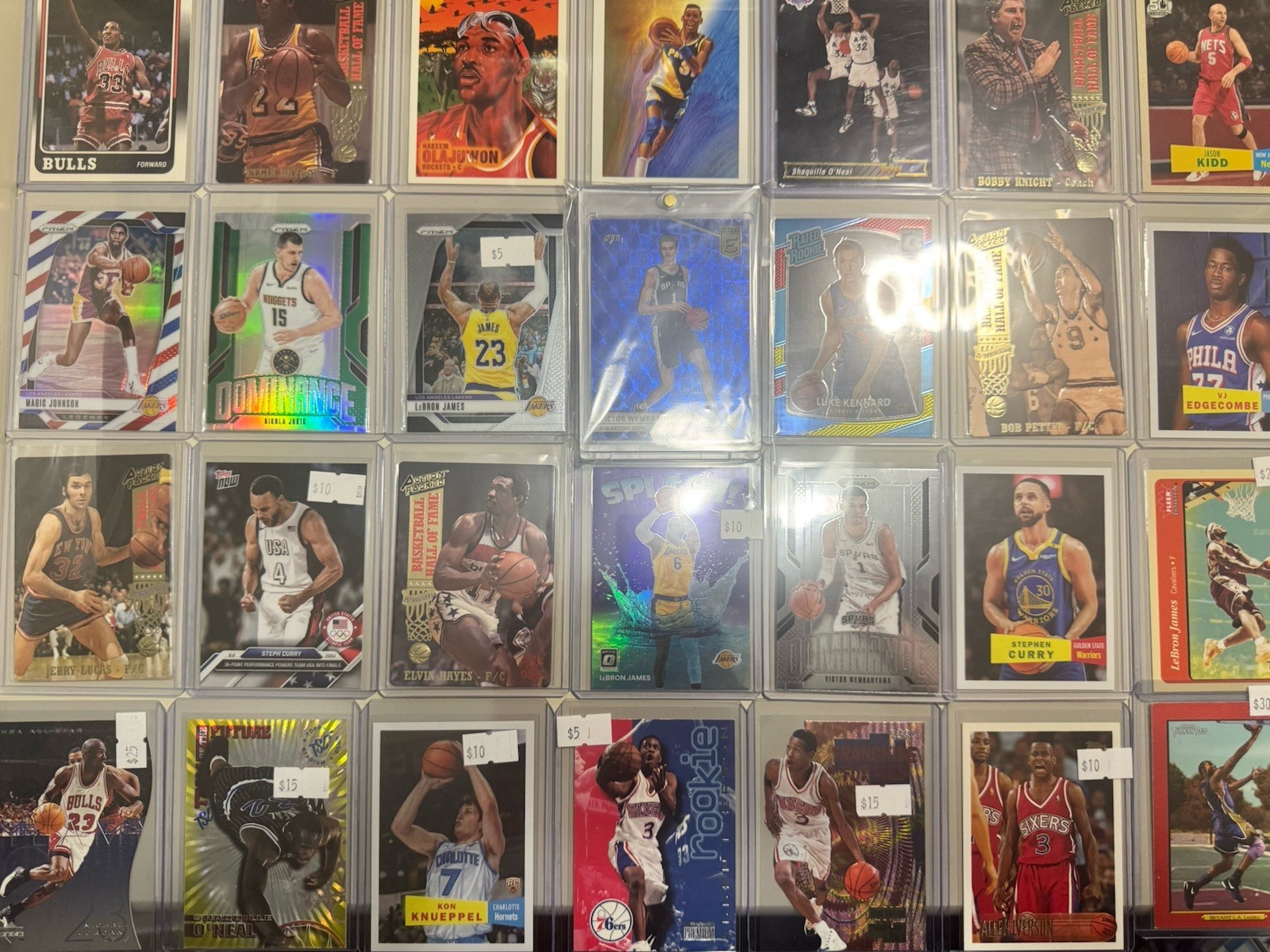
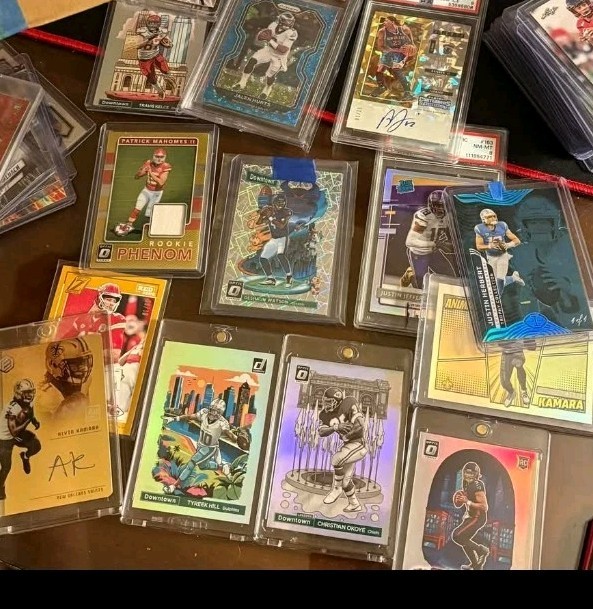


eBay links are affiliate links: JunkPal may earn a commission at no cost to you.
Resale values related to breakdown
Shop breakdown on eBay ↗![Number 93: Utopia Kaiser [Ultra Rare] YCSW-EN009](/api/images/junkpal-products/cards/number-93-utopia-kaiser-ultra-rare-ycsw-en009-yugioh-championship-series-card/img0/thumb.webp)





JunkPal may earn a commission when you buy through eBay links, at no extra cost to you.
What’s worth the most
Ranked on medians of real closed eBay sales, not asking prices.