What does “border design” mean?
What it means
Border design refers to the specific graphic treatment surrounding the primary collectible image and text on a trading card. This is not the physical card edge, but the intentional artwork, patterning, or framing elements printed onto the card stock. It functions as a visual identifier for the card's specific production run. For example, a "Gold Border" versus a standard "Base Border" instantly categorizes the card within a set structure. This design acts as a direct indicator of the card's rarity tier, often corresponding to parallels, special inserts, or promotional waves.
What it does to price
Border design is a direct, quantifiable multiplier on card value. A standard, base-set border typically anchors the price. Upgrades are significant. A card featuring a unique, highly sought-after border—such as a "Rainbow Foil Border" or a "Blacklight Ink Border"—can command a 3x to 10x premium over its base counterpart, assuming all other factors (condition, scarcity) are equal. Conversely, a border that is known to be a common promotional variant, or one that is visibly misaligned, can depress value by 15-25%. For instance, a base card selling for \$10 might jump to \$40+ if it features a confirmed, low-print-run "Prismatic Border."
How to spot it
Identification requires close inspection of the card's periphery. Look for subtle shifts in color saturation, pattern density, or the application of special finishes (foil, chrome, UV ink) within the frame area. Sellers must provide high-resolution photos focused specifically on the border area, not just the front face. Common mistakes include misidentifying a standard border as a rare variant due to poor lighting or digital cropping. Fakes often replicate the central image perfectly but use a flat, low-resolution print for the border design, lacking the intended texture or depth of the genuine article.
Buying smart
Paying a premium for a border design is justified when the border itself is the primary scarcity driver—i.e., it denotes a confirmed, low-print-run parallel (e.g., a 1/100 parallel). If the border is merely a minor aesthetic variation within a common set run, the premium is likely inflated. A fair deal requires the seller to explicitly state the border type and provide visual proof matching known set guides. If the difference in price between a base card and a border variant is less than 2x, the risk is low; if it exceeds 5x without documented proof of extreme scarcity, caution is advised.
Selling smart
Proving the border design in a listing transforms the sale from a generic card listing to a specific variant sale. The single most effective addition to a listing is a macro photograph (magnified, well-lit) of the border area, clearly showing the specific pattern or finish. The descriptive word used—e.g., "Ultra-Holo Border" instead of "Foil Border"—must match established collector terminology. This specificity allows buyers to filter searches precisely, justifying a higher asking price by confirming the exact variant they are seeking.
On eBay right now
Current asking prices from live listings — not sold-comp medians.

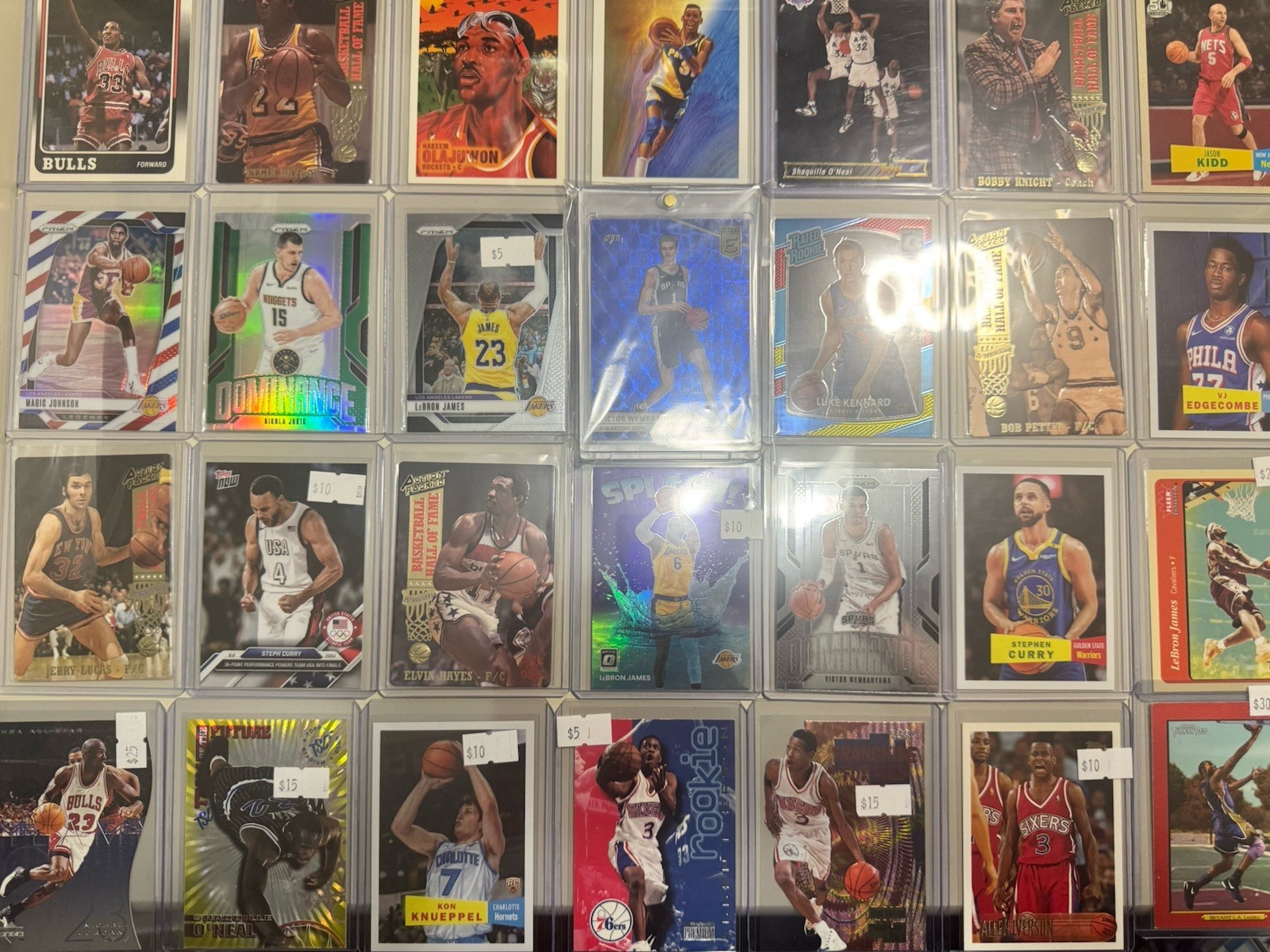
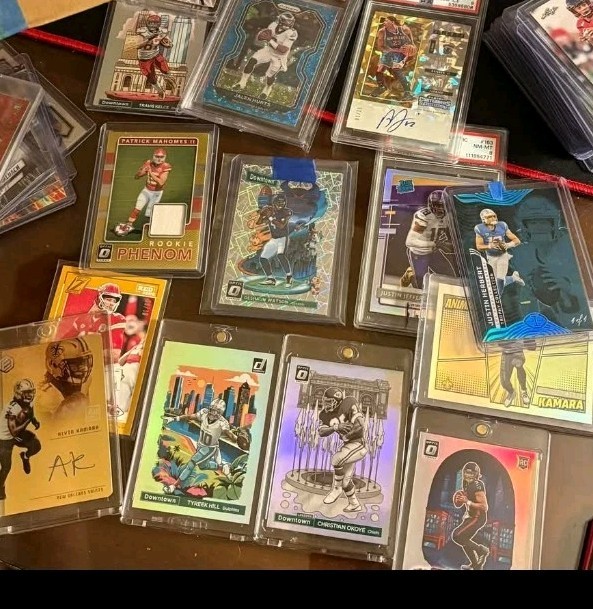


eBay links are affiliate links: JunkPal may earn a commission at no cost to you.
Resale values related to border design
Shop border design on eBay ↗![Charizard [Tekno] #6](/api/images/junkpal-products/cards/charizard-tekno-6-pokemon-2000-topps-chrome-card/img0/thumb.webp)
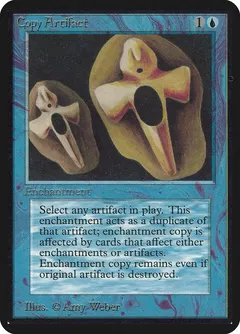

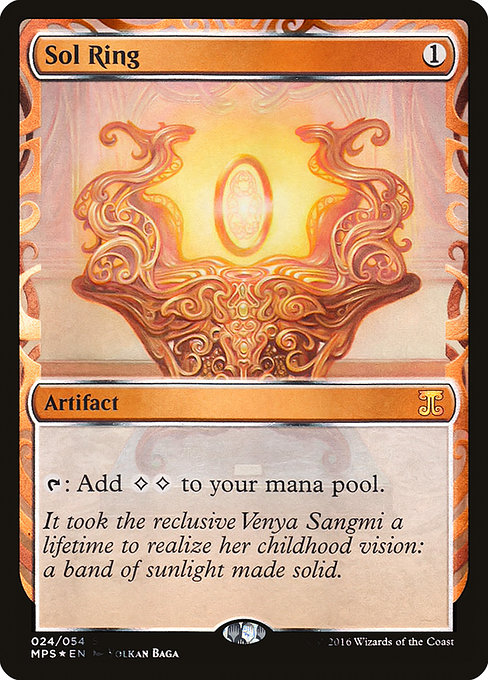
![Articuno [Sparkle] #144](/api/images/junkpal-products/cards/articuno-sparkle-144-pokemon-2000-topps-chrome-card/img0/thumb.webp)


JunkPal may earn a commission when you buy through eBay links, at no extra cost to you.
What’s worth the most
Ranked on medians of real closed eBay sales, not asking prices.