What does “border” mean?
What it means
The border refers to the perimeter of a trading card—the physical material framing the central artwork. This is not merely the edge; it encompasses the entire visible border area, including the corners. In grading terminology, the border condition is inseparable from the card's overall state. Wear here is classified under "Edge Wear" or "Corner Dings/Rounding." A sharp, crisp border indicates minimal handling and storage stress. Conversely, chipping, whitening (discoloration or lifting of the print near the edge), or rounding of the corners signifies physical abrasion. This condition is a primary determinant of the card's final numerical grade (e.g., PSA 9 vs. PSA 8).
What it does to price
Border integrity acts as a significant, non-linear multiplier on value. A card with perfect, sharp borders (often designated "Mint" or "Near Mint" in grading) can command a 2x to 5x premium over an identical card showing moderate edge wear. Minor whitening along one edge might drop the value by 15-25% relative to a perfect specimen. For example, a common rookie card in pristine condition might sell for $15. If that same card has noticeable edge whitening, the market value typically drops to $10-$12. Severe chipping, especially at the corners, can reduce the value by 50% or more, effectively rendering the card a "Played" or "Poor" grade asset.
How to spot it
Visual inspection requires magnification. Look closely at the four corners for signs of rounding (a tell-tale sign of friction) or chipping (actual material loss). Examine the edges under direct light for signs of "whitening"—this appears as a dull, off-white halo where the card stock meets the print area, indicating the ink has lifted slightly. Sellers should provide high-resolution, close-up photos of all four corners and all four edges. A common mistake is misidentifying minor surface scuffs as heavy wear; scuffs are surface blemishes, while whitening indicates material degradation.
Buying smart
Paying a premium for border perfection is justified when the card is a high-value, scarce chase item (e.g., a top-tier rookie card from a major set). For common or mid-tier cards, the premium for a flawless border often does not outweigh the cost savings of buying a slightly worn copy and upgrading it via professional grading later. A fair deal involves the asking price reflecting the *highest* grade achievable. If a seller claims "Near Mint" but the photos show corner rounding, the price should be negotiated down to reflect a lower, more realistic grade.
Selling smart
Proving the border condition is paramount for maximizing sale price. Listing photos must include dedicated, sharp macro shots of all four corners and the midpoint of each edge. Using specific, accurate terminology—such as "Sharp Corners," "No Edge Whitening," or "Mint Border"—in the description immediately sets buyer expectations and justifies a higher listing price. The single most effective element is a clear, unedited photo demonstrating the crispness of the corner points; this evidence directly translates into the buyer being willing to pay the premium associated with a high-grade card.
On eBay right now
Current asking prices from live listings — not sold-comp medians.

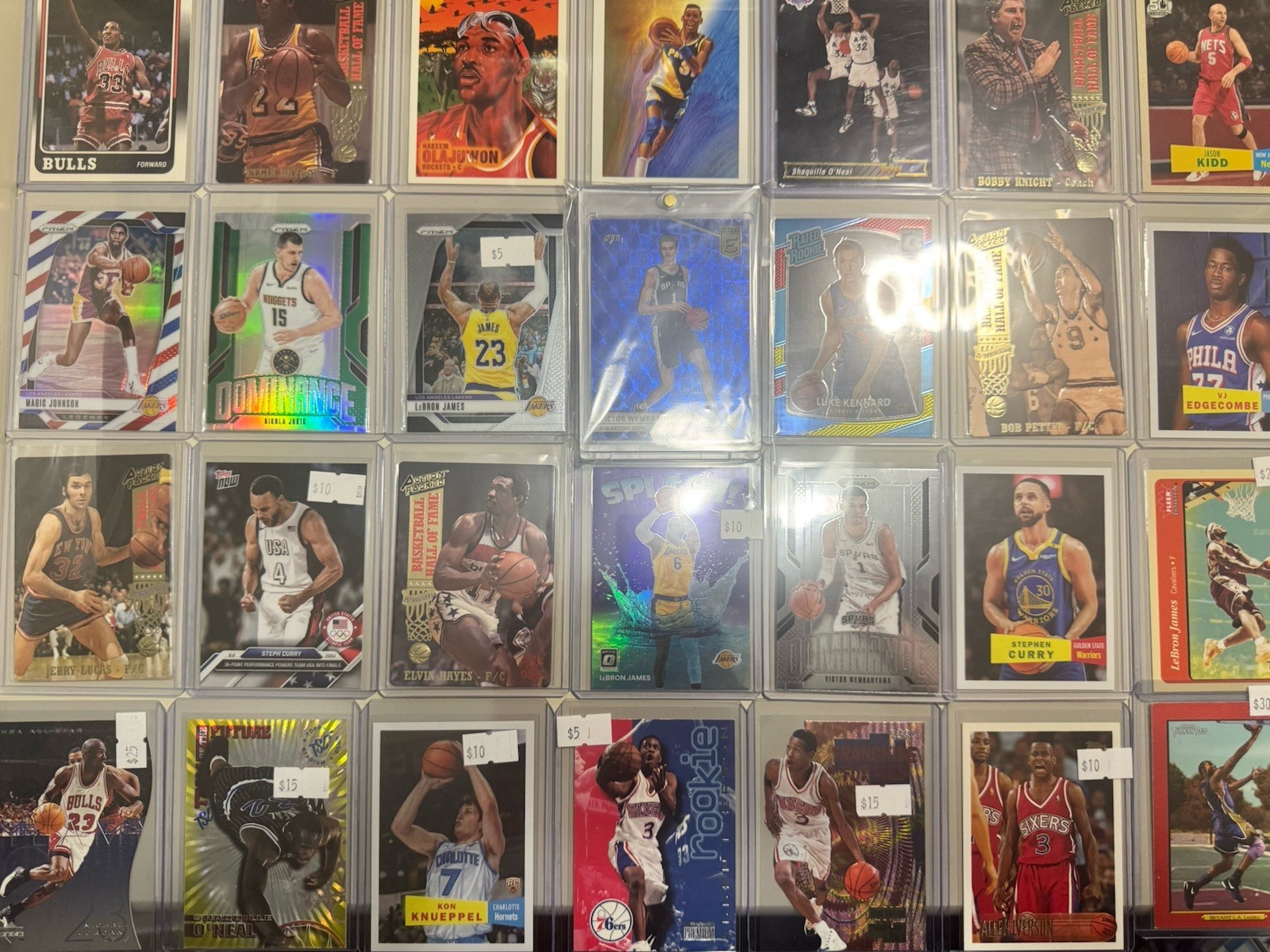
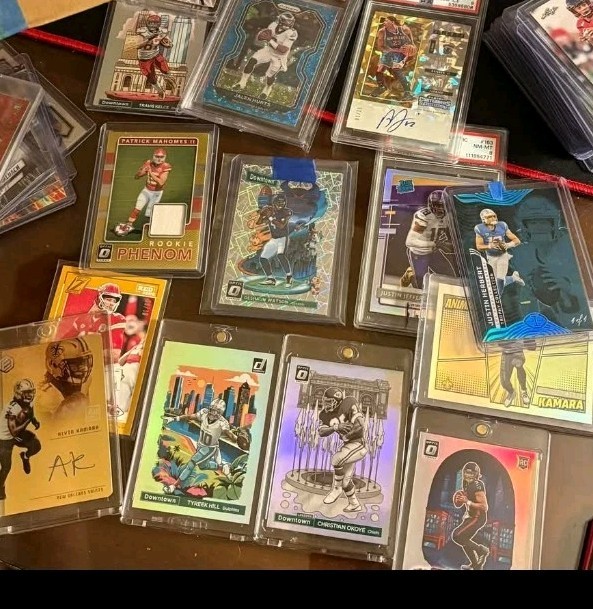



eBay links are affiliate links: JunkPal may earn a commission at no cost to you.
Resale values related to border
Shop border on eBay ↗



JunkPal may earn a commission when you buy through eBay links, at no extra cost to you.
What’s worth the most
Ranked on medians of real closed eBay sales, not asking prices.