What does “binder” mean?
What it means
A binder is a dedicated storage unit for trading cards. It is not merely a book; it is a system designed for long-term preservation. These units house cards, typically secured within clear, protective sleeves housed inside the binder's pages. The primary function is protection against physical damage—bending, abrasion, and environmental degradation. In the collecting context, the binder serves as evidence of responsible stewardship. A binder itself is rarely the item of value; the cards inside are. However, the presence of a high-quality, archival-safe binder suggests the cards have been stored in a controlled, cared-for environment, which is a proxy for better overall condition.
What it does to price
The binder itself adds negligible intrinsic value. Its impact on the price is indirect, affecting the *perceived* condition of the contents. If a set is presented neatly organized in a high-grade, sealed binder, the buyer is more likely to assume the cards are in better condition than if they are loose or haphazardly stored. This can translate to a 5-15% premium over a comparable loose collection, provided the binder quality is demonstrably high (acid-free, UV protection). Conversely, a visibly damaged, cheap binder suggests poor handling, which can trigger a discount, potentially 5-10% reduction, as the buyer assumes the cards suffered similar neglect.
How to spot it
Look at the materials. High-quality binders use thick, durable card stock and feature sleeves made of polyethylene or polypropylene, not cheap PVC. Cheap binders often use glossy, thin plastic that yellows or scratches easily. When examining a binder, check the sleeves for stress points or discoloration. A common mistake is using non-archival sleeves; these can off-gas chemicals that damage card ink over time. Sellers should be able to provide photos showing the inside of the sleeves, not just the exterior of the binder, to confirm proper storage methods.
Buying smart
Paying a premium for a binder is only justifiable when the collection is rare, high-value, or incomplete, and the binder is demonstrably archival-grade. If the collection is common or low-value, the cost of the binder adds unnecessary overhead. A fair deal involves the binder being in good structural condition, with no visible tears or warping, and the sleeves appearing clean and undamaged. If the binder is damaged, the price should reflect the need for immediate re-housing.
Selling smart
Listing cards within a professional, high-quality binder immediately elevates the perceived value. It signals to serious buyers that the inventory is curated and preserved. The single most effective addition to a listing is a photo showing the contents *inside* the binder, clearly displaying the organized layout. Using the phrase "Archival Storage" or "Professionally Bound" in the description justifies a slight price increase over loose inventory, as it shifts the narrative from "a pile of cards" to "a curated collection."
On eBay right now
Current asking prices from live listings — not sold-comp medians.

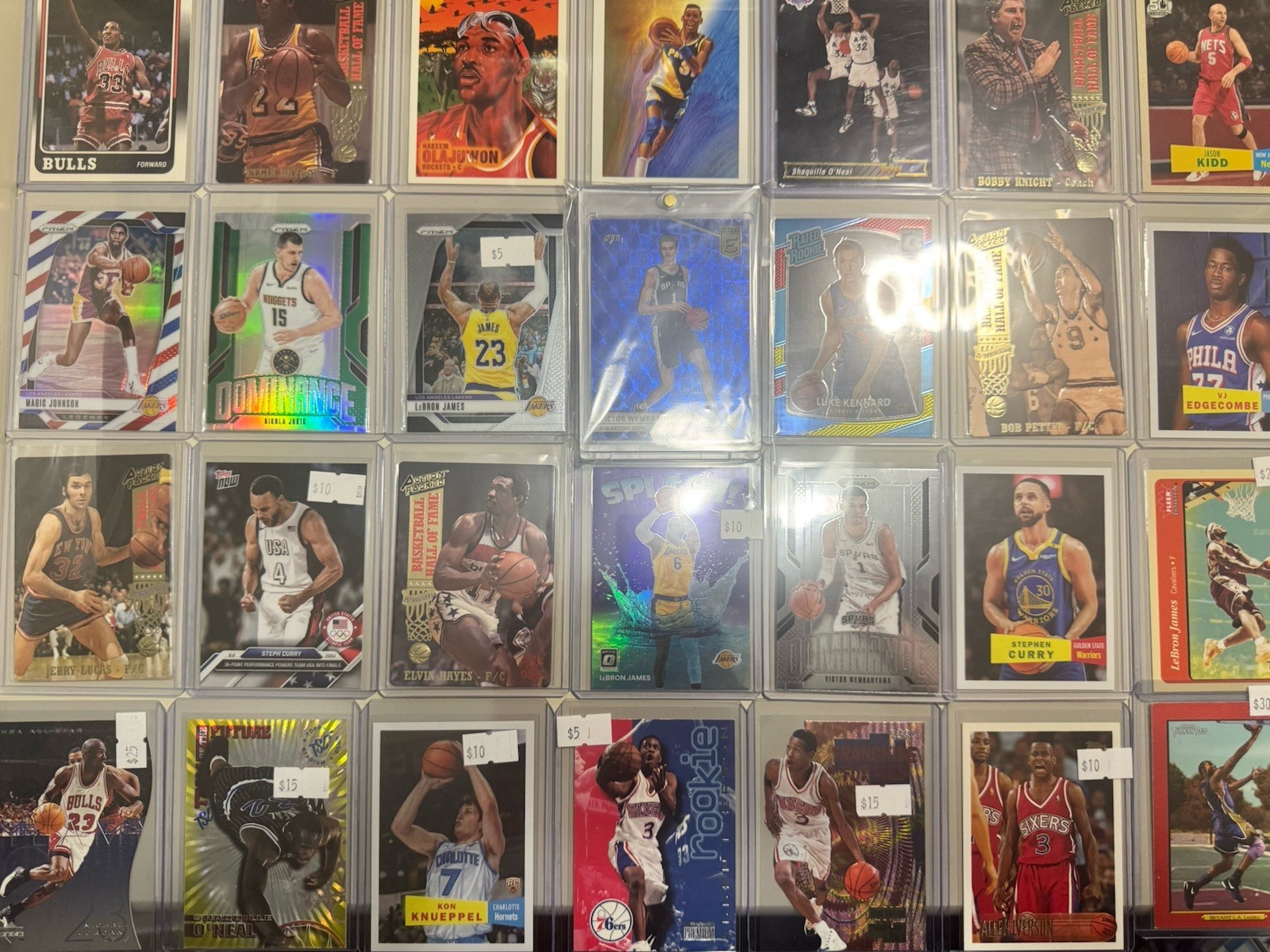
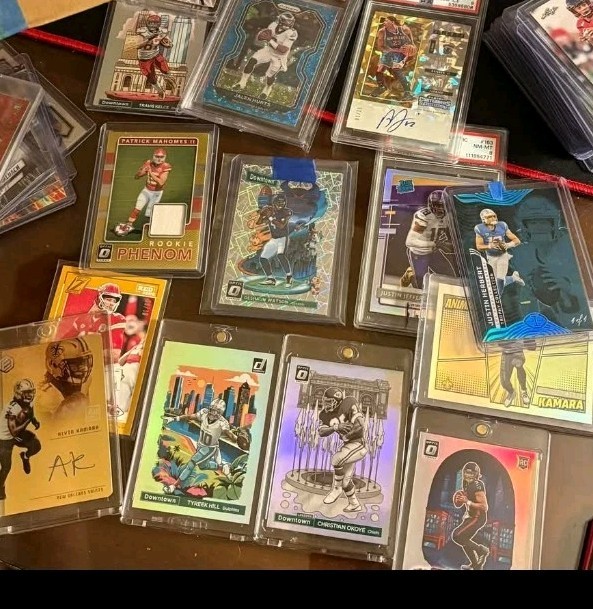

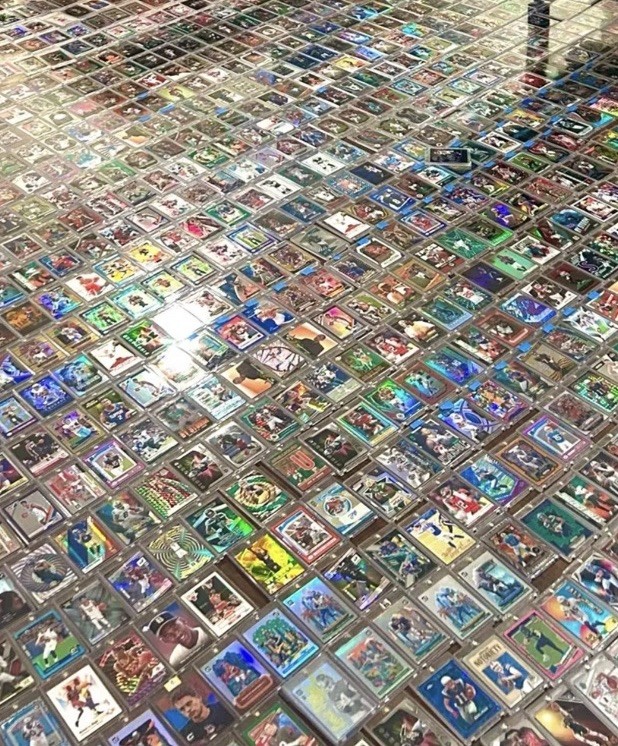

eBay links are affiliate links: JunkPal may earn a commission at no cost to you.
Resale values related to binder
Shop binder on eBay ↗![Articuno [Sparkle] #144](/api/images/junkpal-products/cards/articuno-sparkle-144-pokemon-2000-topps-chrome-card/img0/thumb.webp)






JunkPal may earn a commission when you buy through eBay links, at no extra cost to you.
What’s worth the most
Ranked on medians of real closed eBay sales, not asking prices.