Qu'est-ce qu'une impression holo ?
Ce que cela signifie
Une impression holo est un traitement de surface spécialisé sur une carte de collection qui provoque la réfraction de la lumière, créant un effet chatoyant, arc-en-ciel ou prismatique. Ceci est différent d'une simple finition brillante (gloss). L'effet est obtenu par estampage en feuille (foil stamping) ou des revêtements spécialisés. Dans le milieu de la collection, c'est une caractéristique visuelle premium. Ce n'est pas simplement une « carte brillante » ; c'est un effet optique spécifique qui différencie la carte des versions mates ou brillantes standard. L'application spécifique — comme un holo arc-en-ciel sur toute la carte par rapport à un holo ponctuel (spot holo) sur l'illustration — détermine son niveau de rareté.
Quel impact sur le prix
La présence d'une impression holo de haute qualité et vérifiable agit comme un multiplicateur de valeur significatif. Pour les cartes courantes, non-chase, une version holo peut demander une prime de 1,2x à 1,8x par rapport à sa contrepartie non-holo. Pour les cartes très recherchées (chase cards), la différence peut être substantielle, poussant souvent le prix 3x à 10x plus haut selon le niveau de rareté de l'impression elle-même. Un holo clair, vibrant et parfaitement appliqué sur une carte à 50 dollars peut facilement faire grimper le prix demandé à 150 dollars ou plus. Les effets holo mal appliqués, délavés ou rayés annuleront toute augmentation de valeur, entraînant parfois une décote.
Comment la repérer
L'indice réside dans l'interaction avec la lumière. Une vraie impression holo changera de couleur et de luminosité lorsque la carte est inclinée sous une lumière directe. Vérifiez la carte sous plusieurs sources lumineuses — fluorescente, lumière du jour naturelle et LED directe. Les fausses cartes courantes impliquent des autocollants holographiques simples appliqués sur la surface de la carte, qui paraissent souvent plats ou se décollent légèrement sur les bords. Les erreurs honnêtes incluent les défauts d'impression où l'application de la feuille est inégale ou « pinholed ». Demandez toujours des photos haute résolution prises sous une lumière vive et directionnelle pour vérifier la profondeur et la qualité de la réfraction.
Acheter intelligemment
Payer une prime pour une impression holo est justifié lorsque la carte est une variante chase confirmée ou une pièce maîtresse essentielle d'une collection. Si l'holo fait partie d'une tirage limité et numéroté, la prime est justifiée. Cela ne vaut pas la peine sur des cartes communes où l'effet holo est négligeable ou facilement reproductible par de simples foils bon marché. Une affaire équitable signifie que le prix demandé reflète la prime de marché établie pour ce type d'holo spécifique (par exemple, spot holo contre holo arc-en-ciel sur toute la carte) par rapport à sa contrepartie non-holo.
Vendre intelligemment
Lister l'impression holo est un argument de vente principal. La description doit indiquer explicitement le type d'holo (par exemple, « Holo Arc-en-ciel Complet Prismatic »). La photo la plus efficace est celle prise sous un angle, sous une lumière forte et directe, qui capture clairement l'effet arc-en-ciel. Utiliser les termes « Vibrant Holo » ou « Finition Prismatic » dans le titre signale immédiatement la qualité aux acheteurs avertis, permettant un prix demandé plus élevé qu'une annonce générique.
On eBay right now
Current asking prices from live listings — not sold-comp medians.



eBay links are affiliate links: JunkPal may earn a commission at no cost to you.
Resale values related to impression holo
Shop impression holo on eBay ↗![Blister Pack [Shadowless]](/api/images/junkpal-products/cards/blister-pack-shadowless-pokemon-base-set-card/img0/thumb.webp)

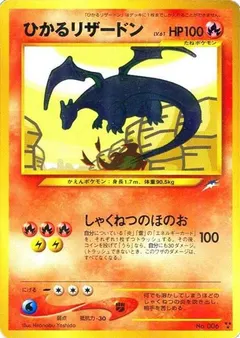
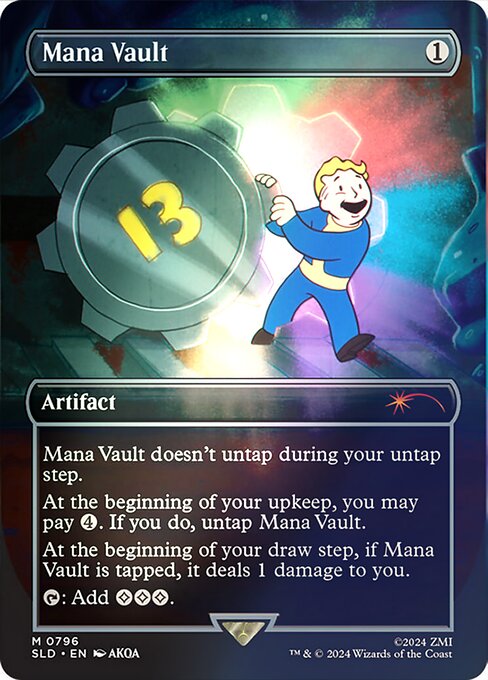
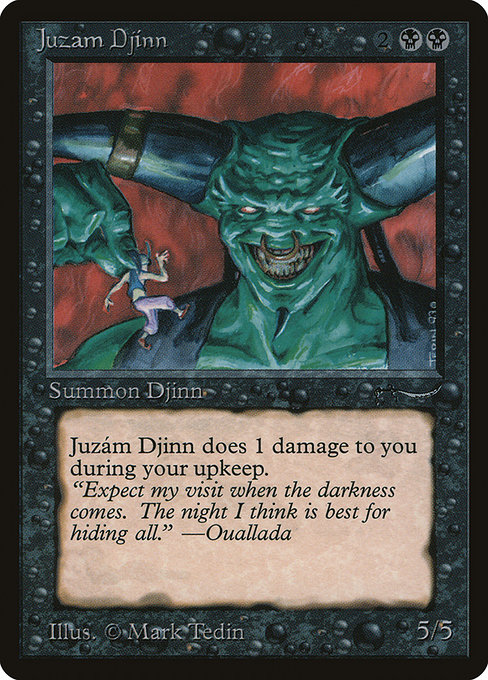
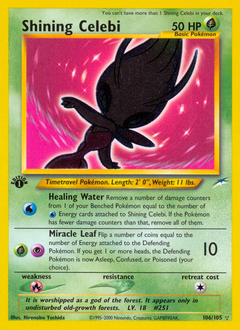
JunkPal may earn a commission when you buy through eBay links, at no extra cost to you.
What’s worth the most
Ranked on medians of real closed eBay sales, not asking prices.