Was ist die Ultra Rare Pull Rate?
Was es bedeutet
Die ultra rare pull rate ist die statistische Häufigkeit, mit der eine bestimmte hochrangige, seltene Karte in einem versiegelten Produkt (Pack, Box oder Case) erworben wird. Es ist kein fester Prozentsatz, sondern ein Maß für die Seltenheitsverteilung innerhalb einer bestimmten Produktreihe. Mainstream-Äquivalent: Drop rate. Dies gilt speziell für "chase" Karten – also Karten, die absichtlich selten gehalten werden, um die Nachfrage auf dem Sekundärmarkt anzutreiben. Eine niedrige Pull Rate bedeutet, dass die Karte schwer zu bekommen ist, was sich direkt in einer höheren wahrgenommenen Seltenheit niederschlägt.
Was es für den Preis bedeutet
Niedrige Pull Rates erzeugen exponentielle Wertspitzen. Eine Karte mit einer bekannten Pull Rate von 1 zu 500 wird deutlich höhere Preise erzielen als eine Karte mit einer Rate von 1 zu 50, vorausgesetzt, die ästhetische Qualität ist ähnlich. Beispielsweise könnte ein gewöhnlicher holografischer Parallel für 5 $ lose verkauft werden, während die ultra rare Version mit einer 1:100 Pull Rate 75 $ lose erzielen könnte, selbst wenn die Basiskarte identisch ist. Hohe Pull Rates bei Chase-Karten deuten oft auf Überangebot hin, was den Wert mindert.
Wie man es erkennt
Pull Rates werden selten offiziell veröffentlicht und müssen durch Crowdsourcing oder Schätzung ermittelt werden. Achten Sie auf Daten vom Sekundärmarkt großer Grading-Firmen oder etablierter Community-Tracking-Seiten. Physische Hinweise sind spezifische Kartennummern (z. B. /10 oder /50), einzigartige Folienmuster oder spezifische Set-Identifikatoren, die auf eine limitierte Auflage hinweisen. Verkäufer sollten überprüfbare Beweise für die Seltenheit der Karte liefern, wie ein Foto, das die eindeutige Nummerierung der Karte zeigt, oder eine Auflistung, die auf die bekannte Seltenheitsstufe des jeweiligen Sets verweist.
Klug kaufen
Es ist gerechtfertigt, einen Aufpreis für eine Karte basierend auf ihrer ultra rare pull rate zu zahlen, wenn die Karte ein anerkanntes "grail" (ultimatives Sammlerstück) in der Community ist und die Marktnachfrage als stabil gilt. Wenn die Pull Rate unbekannt ist oder auf anekdotischen Beweisen beruht, ist der Aufpreis ein spekulatives Risiko. Ein fairer Deal erfordert, dass der Angebotspreis zwischen 1,5x und 2,5x dem etablierten Loose-Marktwert für vergleichbare, weniger seltene Versionen derselben Karte liegt. Vermeiden Sie Überzahlungen, wenn bekannt ist, dass die Produktreihe groß ist oder wenn die Pull Rate-Daten widersprüchlich sind.
Klug verkaufen
Den ultra rare Status zu beweisen, ist der Haupttreiber für Premium-Preise. Die Auflistung muss die bekannte Pull Rate oder die spezifische limitierte Nummerierung der Karte (z. B. "1/10") explizit angeben. Das wirkungsvollste Element in einer Auflistung ist ein hochauflösendes Foto, das die eindeutige Identifikationsnummer oder den Seriencode der Karte klar zeigt. Diese Dokumentation wandelt die Transaktion von einem spekulativen Kauf in einen überprüfbaren Vermögensverkauf um und ermöglicht es dem Verkäufer, die volle Seltenheitsprämie einzufordern.
On eBay right now
Current asking prices from live listings — not sold-comp medians.

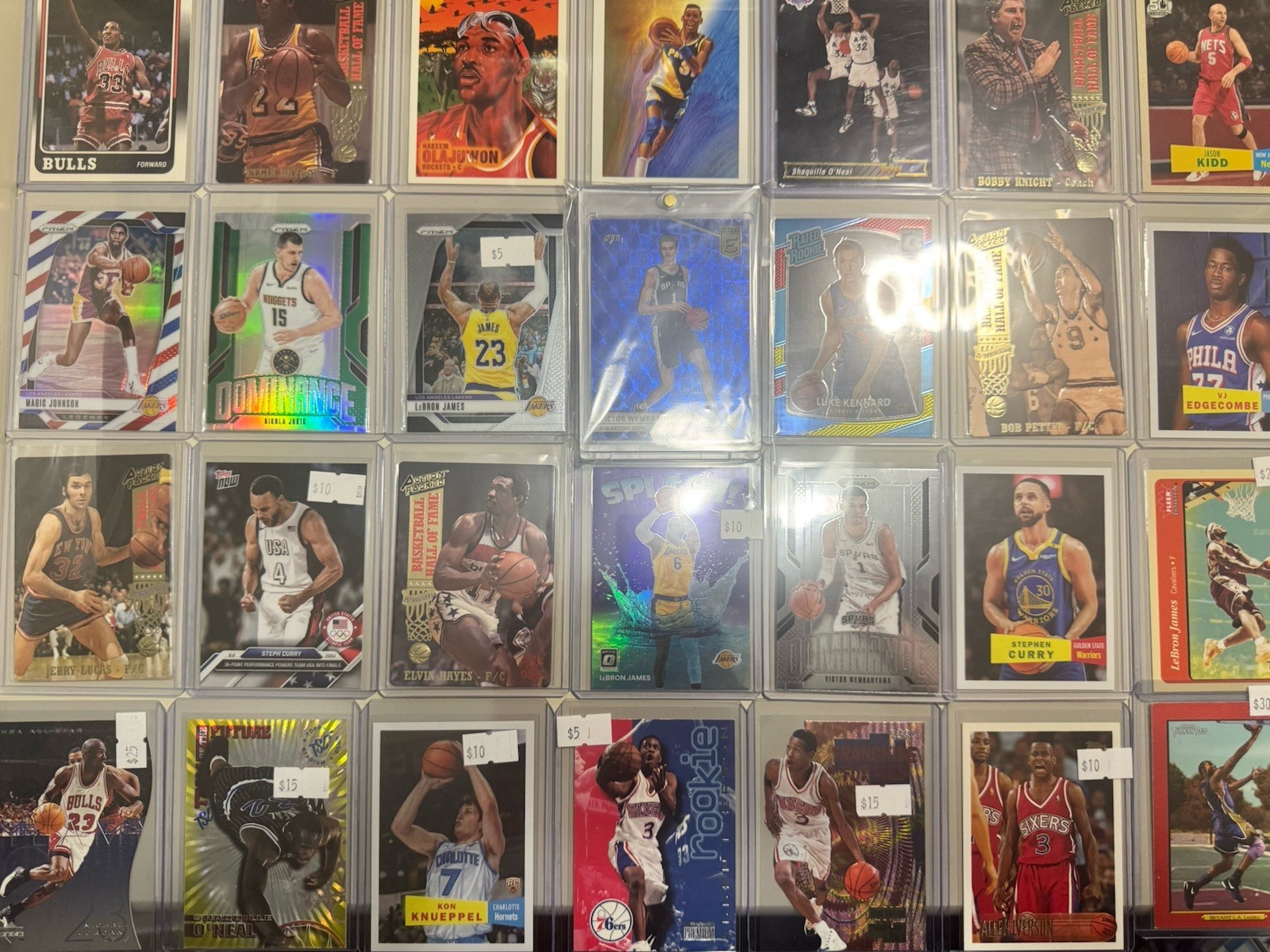
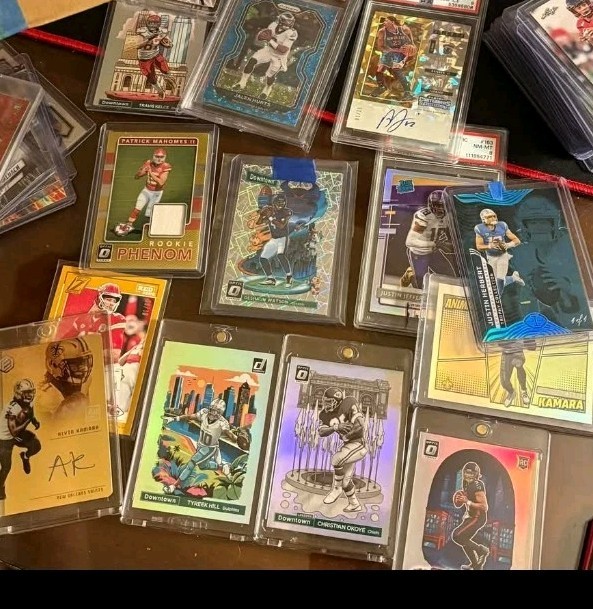


eBay links are affiliate links: JunkPal may earn a commission at no cost to you.
Resale values related to ultra rare pull rate
Shop ultra rare pull rate on eBay ↗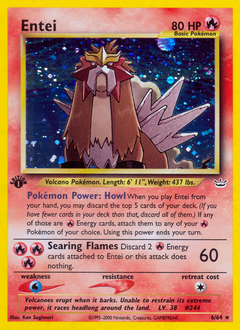







JunkPal may earn a commission when you buy through eBay links, at no extra cost to you.
What’s worth the most
Ranked on medians of real closed eBay sales, not asking prices.