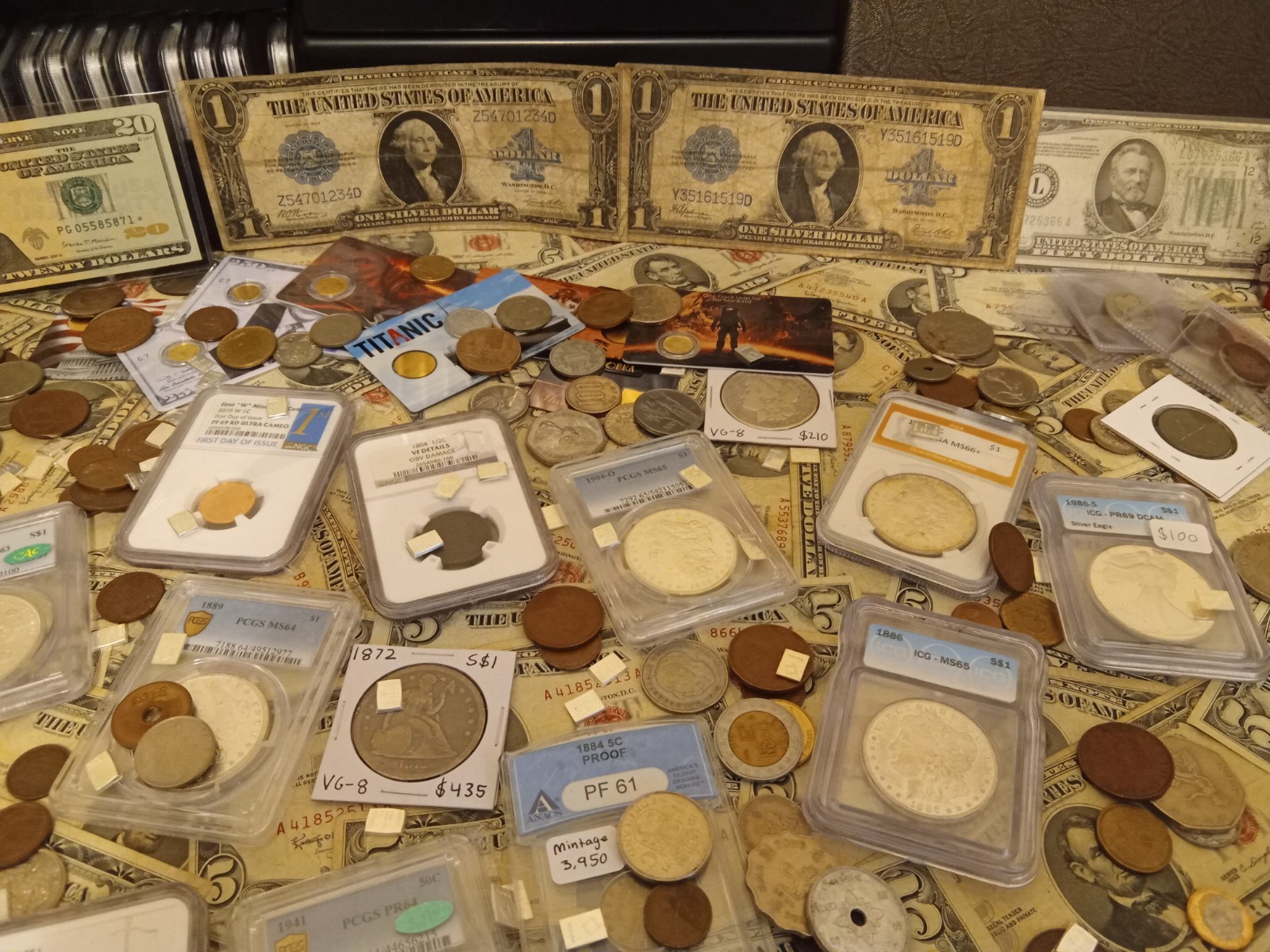
什么是流通品评级?

含义

流通品评级(Circulated grade)指的是曾被公众积极使用的硬币。这是大多数在流通中发现的硬币的标准状态。该术语描述了由拿取、摩擦和其他物体接触所产生的物理磨损模式。这与“未流通”(Uncirculated, MS)不同,后者表示硬币从未进入商业流通。流通硬币会在浮雕最高点——例如肖像或字母的最高点——显示出磨损,金属在此处略微变得光滑。磨损的具体程度决定了其被分配的评级(例如,G-4, VF-30, XF-40)。这个评级系统是评估硬币状况的主要指标。

对价格的影响

评级是决定市场价值的主导因素。一个高等级流通币(例如 Extremely Fine)和一个低等级流通币(例如 Good)之间的差异,可能导致同一种硬币的售价出现 50% 或更高的价格波动。轻微的磨损——例如轻微的袋痕或光泽的轻微损失——会拉低评级,从而导致可衡量的价格下降。相反,即使经过流通,仍能保持清晰细节的硬币(高端流通品),会带来显著的溢价。例如,一枚评级为 VF 的普通银硬币可能售价 15 美元,而同一枚评级为 EF 的硬币可能卖到 35 美元,仅基于磨损评估就实现了 2.3 倍的增值。

如何识别

磨损在设计的最高点上是可见的。请留意精细细节的变钝,例如头发的边缘、日期上的字母,或胸像的最高脊线。流通通常会引入轻微的划痕或接触痕迹,有时被称为“bag marks”(袋痕),即浅层磨损。卖家应提供聚焦于硬币底面和高点的、高分辨率的图像。一个常见的错误是将轻微的铜绿或表面污垢误认为是磨损。假币有时会试图模仿磨损,但真正的流通留下的金属磨损模式是难以令人信服地复制的。

明智购买

只有当流通币的评级相对于其稀有度明显较高时,才值得支付溢价。如果一枚硬币极其常见,从 Fine 到 Very Fine 的价格增幅通常可以忽略不计。当硬币稀有,且评级将其推入流通品的高等级时,溢价才是值得的(例如 EF 或 AU)。一个公平的交易是标价与该特定评级的既定拍卖结果相符。如果卖家无法提供清晰、高倍放大的照片来展示磨损程度,则应降低价格以弥补信息不透明的风险。

明智出售

提供评级证明对于实现最高回报至关重要。列表必须清楚地说明分配的评级,最好有公认的第三方评级服务(PCGS, NGC)作为背书。如果出售未封装币(raw),描述中必须使用精确的术语来详细说明磨损(例如,“高点处有轻微袋痕;细节保持清晰”)。列表中最有效的元素是使用斜射光(raking light,即从角度照射在表面上的光)拍摄的特写照片,因为这能凸显浮雕,并清晰地向潜在买家展示磨损程度。

On eBay right now

Current asking prices from live listings — not sold-comp medians.

See all ↗

eBay links are affiliate links: JunkPal may earn a commission at no cost to you.

More Coins & Currency terms

albumIn numismatics, an album refers to a specialized book or binder used to house, organize, and display coin collections. These albums are not just storage; they aalloyThis refers to the specific metallic composition of a coin, meaning it is made from a mixture of two or more metals rather than a single pure metal. Different aancient coinThis refers to numismatic items dating back to very early civilizations, often predating the common era. These pieces are significant not just as currency, but antique coinThis refers to a coin that is genuinely old, typically predating the modern era, and often carries historical significance. The term is broad, encompassing anytauthenticationThis process involves verifying the genuineness of a coin to ensure it is not a counterfeit. For collectors and resellers, authentication is paramount because aauthentication certificateAn authentication certificate is a document issued by a recognized third-party grading or authentication service that verifies the genuineness and condition of bag breakA bag break refers to the process where a dealer or collector purchases a large, bulk lot of coins, often referred to as a "bag," and then individually sorts, abag holderA bag holder is a specialized, often archival-quality plastic or cardboard sleeve designed to safely store and protect individual coins or small sets of currencbag markA bag mark refers to a light surface abrasion or scuffing that occurs on a coin when it is stored in a plastic or cloth bag with other coins. These marks are tybaggedThis term refers to coins that have been stored or sold in bulk, often within plastic bags or pouches, rather than individually graded or displayed in protectivbagged varietyThis refers to a specific coin that exhibits a particular variation in its minting, design, or metal composition, and this variation is documented and recognizebandedThis term refers to a specific type of surface marking or feature on a coin, often indicating a deliberate design element or a form of wear pattern. In numismatbanknoteA banknote is a form of paper money issued by a central bank or government, representing a promise to pay a certain value. For collectors and resellers, the conbanknote gradeThis refers to the condition and quality assessment of paper currency, much like grading for coins. Instead of using traditional numismatic grades like MS or VF
All Coins & Currency terms →