도매가란 무엇인가?

의미

도매가는 딜러나 재판매업자가 민트 유통업체, 대규모 경매장 청산 물품, 또는 대량 재고 판매업체와 같은 1차 공급처로부터 수집품 동전을 직접 확보하는 비용입니다. 이는 딜러 마크업, 운영비, 이윤을 포함하는 소매가와는 구별되는 기본적인 취득 원가입니다. 동전 시장에서 이는 어떤 등급 판정이나 최종 시장 평가가 적용되기 전의 비용입니다. 재판매업자에게 있어 이는 간단히 말해 '매출 원가(COGS)'에 해당합니다.

가격에 미치는 영향

도매가는 잠재적 이익의 기준선을 설정합니다. 만약 동전을 도매가인 \$50에 확보했다면, 최소한의 판매 가능 소매가는 \$50에 운영 비용을 더한 금액을 초과해야 합니다. 도매가와 소매가의 차이가 바로 이윤 마진입니다. 일반적이고 등급이 낮은 유통 동전의 경우, 마크업은 도매가의 2배에서 4배 정도일 수 있습니다. 반면, 희귀하고 등급이 높은 표본의 경우, 도매가 확보가 정말 저렴했다면 마크업이 기하급수적으로 커져 10배 이상이 될 수도 있습니다. 현실적인 예시: 일반적인 은화(silver dollar)를 도매가 \$10에 확보했다면, 보수적인 소매 리스팅 가격은 약 \$25–\$35부터 시작합니다.

구별하는 방법

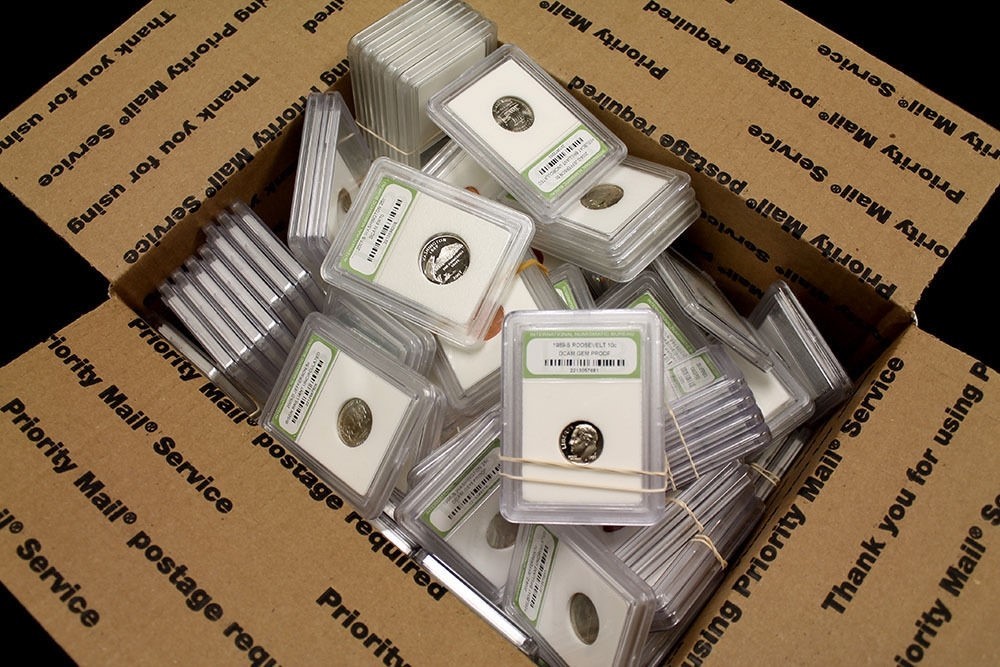
도매가를 식별하는 것은 특정 동전의 특징에 관한 것이라기보다는 거래 자체에 관한 것입니다. 도매 거래는 보통 대량 묶음(bulk lots), 카탈로그 판매, 또는 직접 위탁 계약 형태로 구성됩니다. 징후로는 초기 구매 시 개별 등급 라벨이 없거나, 물품이 크고 분류되지 않은 상자에 담겨 있는 경우가 있습니다. 대량 구매를 고려할 때는 전체 묶음에 대한 고해상도 사진을 요청하고, 보이는 민트 마크나 모서리 문자에 집중해야 합니다. 판매자가 알려진 주요 유통업체가 아니라면, 단일 고가 동전에 대한 "도매" 주장은 경계해야 합니다.

현명하게 구매하기

"도매" 거래에 프리미엄을 지불하는 것은 재고량이 많고, 공급업체가 진품에 대한 입증된 실적을 가지고 있으며, 취득 비용이 확립된 2차 시장 평균보다 상당히 낮은 경우에 정당화됩니다. 이 전략은 마진이 물량에 의해 결정되는 일반적이거나 중급 동전의 재고 공백을 채우는 데 가장 효과적입니다. 판매자가 표준 경매 프리미엄을 우회하는 취득 경로를 증명할 수 없다면, 단일 희귀품에는 가치가 없습니다. 공정한 거래란 지정된 묶음의 평균 2차 시장 소매가보다 최소 30% 낮은 문서화된 할인을 포함하는 것입니다.

현명하게 판매하기

도매로 확보한 재고를 판매할 때, 출처에 대한 투명성은 거의 필요하지 않지만, *상태*를 입증하는 것이 가장 중요합니다. 구매자들이 프리미엄을 지불하는 것은 도매 출처 때문이 아니라, 해당 품목의 품질에 대한 확신 때문입니다. 리스팅에서 가장 가치 있는 요소는 동전을 확대하여 보여주면서 특정 표면 디테일이나 알려진 결함을 강조하는 선명하고 잘 조명된 사진입니다. 동전이 전문적으로 등급 판정된 경우, 슬랩 사진이 취득 비용에 대한 모든 논의를 압도하며 가장 높은 프리미엄을 요구합니다.

On eBay right now

Current asking prices from live listings — not sold-comp medians.

See all ↗

eBay links are affiliate links: JunkPal may earn a commission at no cost to you.

More Coins & Currency terms

albumIn numismatics, an album refers to a specialized book or binder used to house, organize, and display coin collections. These albums are not just storage; they aalloyThis refers to the specific metallic composition of a coin, meaning it is made from a mixture of two or more metals rather than a single pure metal. Different aancient coinThis refers to numismatic items dating back to very early civilizations, often predating the common era. These pieces are significant not just as currency, but antique coinThis refers to a coin that is genuinely old, typically predating the modern era, and often carries historical significance. The term is broad, encompassing anytauthenticationThis process involves verifying the genuineness of a coin to ensure it is not a counterfeit. For collectors and resellers, authentication is paramount because aauthentication certificateAn authentication certificate is a document issued by a recognized third-party grading or authentication service that verifies the genuineness and condition of bag breakA bag break refers to the process where a dealer or collector purchases a large, bulk lot of coins, often referred to as a "bag," and then individually sorts, abag holderA bag holder is a specialized, often archival-quality plastic or cardboard sleeve designed to safely store and protect individual coins or small sets of currencbag markA bag mark refers to a light surface abrasion or scuffing that occurs on a coin when it is stored in a plastic or cloth bag with other coins. These marks are tybaggedThis term refers to coins that have been stored or sold in bulk, often within plastic bags or pouches, rather than individually graded or displayed in protectivbagged varietyThis refers to a specific coin that exhibits a particular variation in its minting, design, or metal composition, and this variation is documented and recognizebandedThis term refers to a specific type of surface marking or feature on a coin, often indicating a deliberate design element or a form of wear pattern. In numismatbanknoteA banknote is a form of paper money issued by a central bank or government, representing a promise to pay a certain value. For collectors and resellers, the conbanknote gradeThis refers to the condition and quality assessment of paper currency, much like grading for coins. Instead of using traditional numismatic grades like MS or VF
All Coins & Currency terms →