スラブ入り紙幣とは?

意味するもの

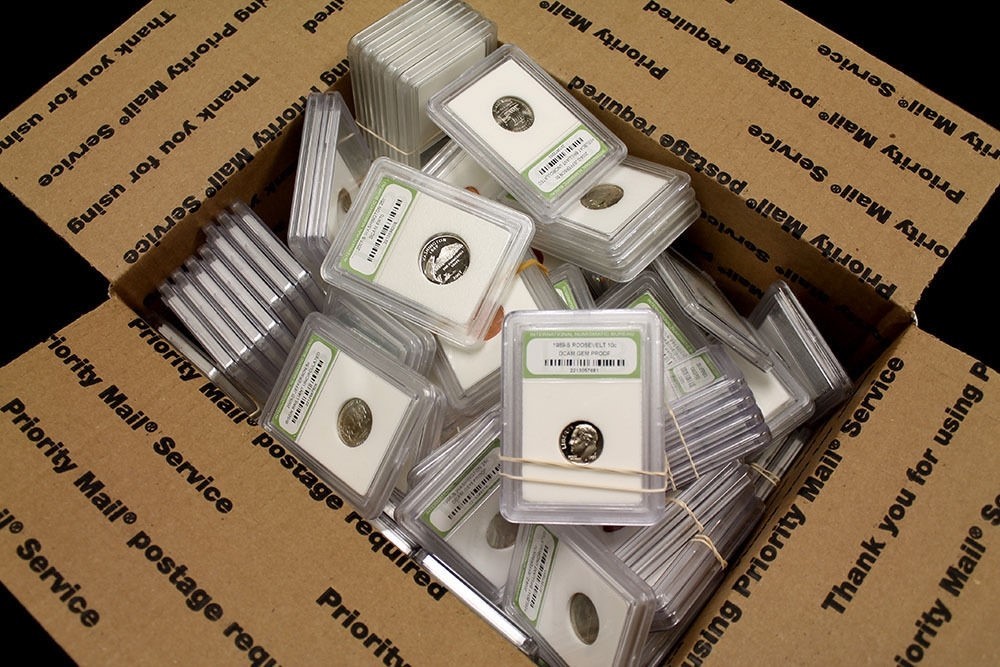
スラブ入り紙幣とは、公認の第三者サービス(例:PMG, PCGS)によって専門的な鑑定とグレーディング(格付け)を受けた後、改ざん防止機能のあるプラスチックケース(スラブ)に封入された紙幣のことです。このサービスは、真贋(本物か?)、状態(どれだけ保存されているか?)、希少性という3つの主要な要素を評価します。割り当てられる数値グレード(例:MS-65)が、その品質の標準化された測定値です。これは、高額資産に対する公的な鑑定書のようなものです。スラブ自体が、その紙幣の状態を証明する検証可能な文書となります。

価格への影響

グレーディングは、明確で定量化可能なプレミアム(上乗せ価格)をもたらします。この倍率は、紙幣の元々の希少性に大きく依存します。一般的な紙幣の場合、スラブ化によって市場価格から50%〜150%上乗せされることがあります。稀少な紙幣や需要の高い紙幣の場合、プレミアムは未鑑定価格の3倍から10倍になることもあります。最高グレードのスラブ(例:Gem Mint 67)は、最も高いプレミアムを要求します。未鑑定の一般的な1ドル紙幣が1.00ドルで売れる可能性があるのに対し、同じ紙幣が認定されたMS-65スラブに入っている場合、現在の市場需要によっては容易に15.00ドルから30.00ドルで取引される可能性があります。

見分ける方法

見分けるポイントは、そのプラスチックケース自体にあります。正規のスラブには、特定のホログラムシール、グレーディング会社のデータベースとケースを紐づける固有のシリアルナンバー、そして一貫したブランディングが施されています。販売者は、スラブの角や認証ラベルの高解像度の鮮明な写真を提示しなければなりません。よくある問題には、「スラブウォッシング」(グレーディング前に紙幣を過度に洗浄し、人工的に状態を良く見せる行為)や、公式のシールを模倣した偽造スラブがあります。資金を投じる前に、必ずグレーディング会社の公式サイトでスラブのシリアルナンバーを照合し、グレードと真贋を確認してください。

賢い購入法

プレミアムを支払うのは、その紙幣が本質的に希少である場合、またはグレーディング会社が非常に信頼性が高く、そのグレードが紙幣の既知の市場ピークに達しているかそれを超えている場合に正当化されます。紙幣が一般的で、そのグレードが丁寧な保管で達成できるレベル(例:MS-60が期待されるのにMS-62)とわずかにしか優れていない場合、プレミアムは過大評価されている可能性が高いです。公正な取引とは、スラブ価格を、その正確なグレードとポピュレーションレポート(流通枚数報告書)に基づいた最近のオークション結果と比較することです。プレミアムが一般的なアイテムの予想価値の2倍を超える場合は、さらなるデューデリジェンス(徹底的な調査)が必要です。

賢い販売法

スラブ入り紙幣をリストアップする際は、認証番号をタイトルと説明文の目立つ位置に記載する必要があります。この単一の情報が、リスティング全体を裏付けるものとなります。購入者がプレミアムを支払うのは、スラブが状態に関する紛争のリスクを取り除くからです。最も価値のあるリスティング写真は、グレーディング会社のロゴと数値グレードがはっきりと読み取れる状態で、スラブ全体が明確に写っているものです。曖昧な説明は避け、「ハイグレード」のような一般的な言葉ではなく、正確なグレード(例:「PMG MS-64」)を明記してください。

On eBay right now

Current asking prices from live listings — not sold-comp medians.

See all ↗

eBay links are affiliate links: JunkPal may earn a commission at no cost to you.

More Coins & Currency terms

albumIn numismatics, an album refers to a specialized book or binder used to house, organize, and display coin collections. These albums are not just storage; they aalloyThis refers to the specific metallic composition of a coin, meaning it is made from a mixture of two or more metals rather than a single pure metal. Different aancient coinThis refers to numismatic items dating back to very early civilizations, often predating the common era. These pieces are significant not just as currency, but antique coinThis refers to a coin that is genuinely old, typically predating the modern era, and often carries historical significance. The term is broad, encompassing anytauthenticationThis process involves verifying the genuineness of a coin to ensure it is not a counterfeit. For collectors and resellers, authentication is paramount because aauthentication certificateAn authentication certificate is a document issued by a recognized third-party grading or authentication service that verifies the genuineness and condition of bag breakA bag break refers to the process where a dealer or collector purchases a large, bulk lot of coins, often referred to as a "bag," and then individually sorts, abag holderA bag holder is a specialized, often archival-quality plastic or cardboard sleeve designed to safely store and protect individual coins or small sets of currencbag markA bag mark refers to a light surface abrasion or scuffing that occurs on a coin when it is stored in a plastic or cloth bag with other coins. These marks are tybaggedThis term refers to coins that have been stored or sold in bulk, often within plastic bags or pouches, rather than individually graded or displayed in protectivbagged varietyThis refers to a specific coin that exhibits a particular variation in its minting, design, or metal composition, and this variation is documented and recognizebandedThis term refers to a specific type of surface marking or feature on a coin, often indicating a deliberate design element or a form of wear pattern. In numismatbanknoteA banknote is a form of paper money issued by a central bank or government, representing a promise to pay a certain value. For collectors and resellers, the conbanknote gradeThis refers to the condition and quality assessment of paper currency, much like grading for coins. Instead of using traditional numismatic grades like MS or VF
All Coins & Currency terms →