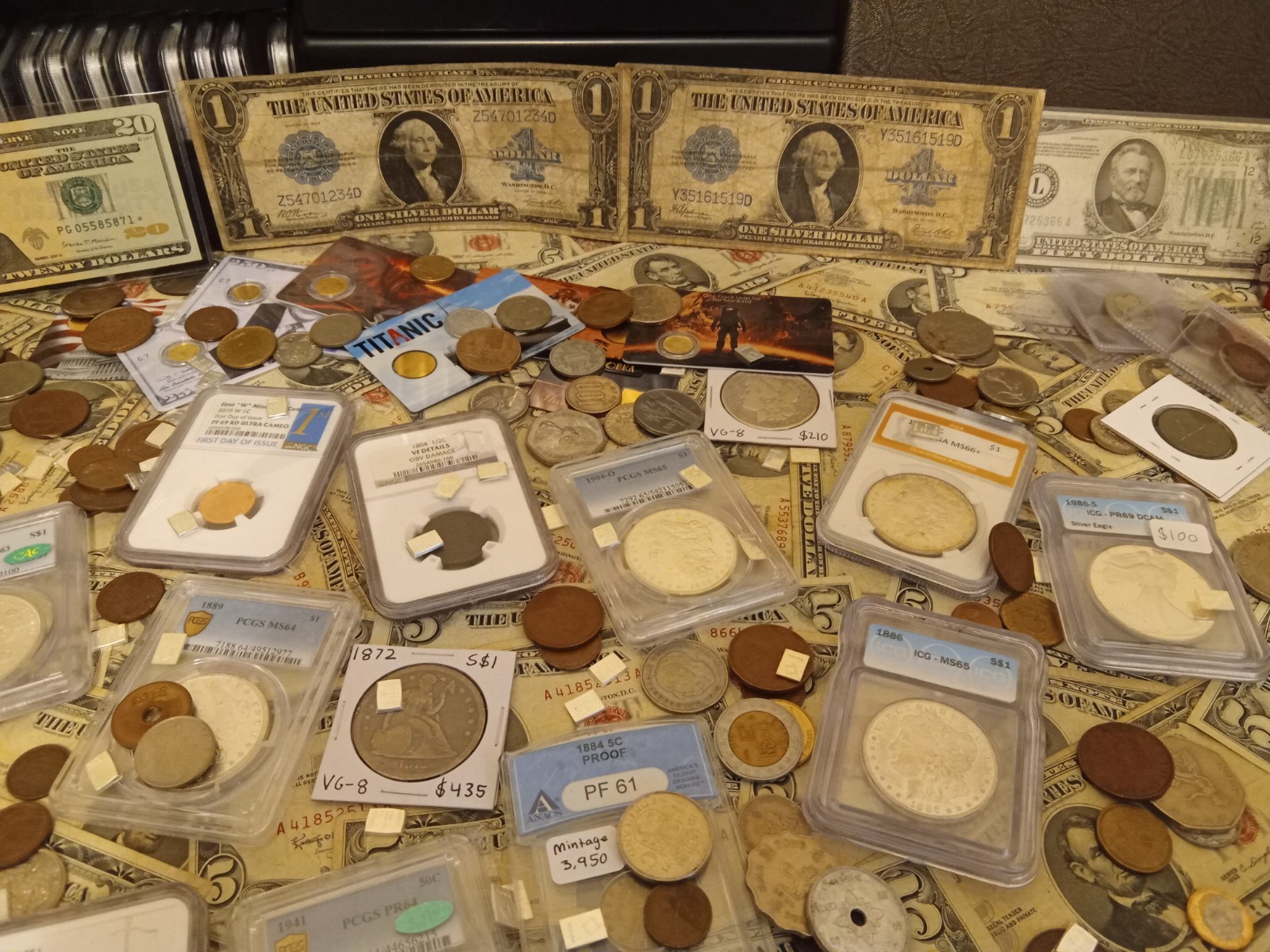
金属含有量とは?

意味するもの

金属含有量とは、コインに含まれる貴金属または卑金属の割合を指定した、正確な化学組成のことです。これはしばしば「純度」(例:.999 fine silver、90% copper)と呼ばれます。収集家にとって、これは素材の固有の価値を指します。一般的な用語では合金の構成(alloy makeup)に相当します。これは、希少性や状態に基づく収集価値(numismatic value)とは異なります。金属含有量は、その金属を原材料として売却した場合の価格である「溶融価値」(melt value)を決定します。

価格への影響

金属含有量はフロアプライス(最低価格)を設定します。地金コインの場合、市場価格は金属のスポット価格に直接連動します。1オンスの.999銀貨は、グレードに関係なく、1オンスの.50銀貨よりも常に高い基準価値を持ちます。もし金属含有量が広告された値よりも著しく低い場合(例:.90金貨と謳っているものが.75金と検査された場合)、固有価値は比例して下がり、ベースライン価格が30〜50%減少することがよくあります。金属含有量が高い1933年金貨は、同じ希少性であっても、金属そのものの価値が高いため、低グレードで低金属含有量のコインよりもプレミアムが付きます。

確認方法

検証には、コインの記載されている仕様(例:ミントマーク、年号)を確立されたコインカタログと照合する必要があります。高額なコインの場合、鑑定書(assay certificates)が決定的な証拠となります。目視検査では、一般的な欠陥が見つかることがあります。例えば、不適切な色のパティナ(卑金属のメッキを示唆)、重量の不均一性、または異常な磁気的性質(鉄合金を示唆)などです。古いコインの販売者は重量測定値を提供しなければなりません。偽造品は、見た目は似ていても密度試験に合格しない合金を使用していることがよくあります。一貫性を確認するために、エッジとリバースフィールドの高解像度画像を必ず要求してください。

賢い購入

金属含有量に対してプレミアムを支払うのは、そのコインが希少である、歴史的に重要である、または収集価値(状態/希少性)のプレミアムが相当な場合に正当化されます。コインが一般的であっても金属含有量が高い場合(例:1960年代の流通銀貨)、プレミアムは最小限に留めるべきです。これは、溶融価値と現在の市場需要とのわずかな差を補填する程度で十分です。コインが一般的で金属含有量が低い場合、購入は素材価値ではなく、その審美的な魅力に限定されるべきです。公正な取引とは、溶融価値を上回るプレミアムが、認められた収集上の希少性を反映していることを意味します。

賢い販売

金属含有量を証明すること、特にサードパーティのグレーディングサービスレポートや検証可能な鑑定書を通じて証明することは、取引を単なる商品売買から収集品売買へと即座に移行させます。タイトルと説明に正確な純度(例:「925 Sterling Silver」)を記載することで、購入者が自ら溶融価値を計算できるようになり、信頼を築き、より高い希望価格を正当化できます。最も効果的な要素は、証明書番号とともに、制御された照明の下で撮影された明確で重量が示された写真であり、コインの物質的な実態に関するすべての疑念を取り除きます。

On eBay right now

Current asking prices from live listings — not sold-comp medians.

See all ↗

eBay links are affiliate links: JunkPal may earn a commission at no cost to you.

More Coins & Currency terms

albumIn numismatics, an album refers to a specialized book or binder used to house, organize, and display coin collections. These albums are not just storage; they aalloyThis refers to the specific metallic composition of a coin, meaning it is made from a mixture of two or more metals rather than a single pure metal. Different aancient coinThis refers to numismatic items dating back to very early civilizations, often predating the common era. These pieces are significant not just as currency, but antique coinThis refers to a coin that is genuinely old, typically predating the modern era, and often carries historical significance. The term is broad, encompassing anytauthenticationThis process involves verifying the genuineness of a coin to ensure it is not a counterfeit. For collectors and resellers, authentication is paramount because aauthentication certificateAn authentication certificate is a document issued by a recognized third-party grading or authentication service that verifies the genuineness and condition of bag breakA bag break refers to the process where a dealer or collector purchases a large, bulk lot of coins, often referred to as a "bag," and then individually sorts, abag holderA bag holder is a specialized, often archival-quality plastic or cardboard sleeve designed to safely store and protect individual coins or small sets of currencbag markA bag mark refers to a light surface abrasion or scuffing that occurs on a coin when it is stored in a plastic or cloth bag with other coins. These marks are tybaggedThis term refers to coins that have been stored or sold in bulk, often within plastic bags or pouches, rather than individually graded or displayed in protectivbagged varietyThis refers to a specific coin that exhibits a particular variation in its minting, design, or metal composition, and this variation is documented and recognizebandedThis term refers to a specific type of surface marking or feature on a coin, often indicating a deliberate design element or a form of wear pattern. In numismatbanknoteA banknote is a form of paper money issued by a central bank or government, representing a promise to pay a certain value. For collectors and resellers, the conbanknote gradeThis refers to the condition and quality assessment of paper currency, much like grading for coins. Instead of using traditional numismatic grades like MS or VF
All Coins & Currency terms →