紙幣とは何か?

意味するもの

紙幣とは、中央銀行または主権国家によって認可された、紙またはポリマーに印刷された法定通貨のことです。収集家の文脈では、その交換手段としての機能ではなく、物理的な印刷された紙片そのものを指します。価値を決定づける核となる要素は、その保存状態、すなわち「グレード」です。硬貨と異なり、紙幣の劣化は摩耗による擦れではなく、折り目、しわ、汚れ、破れ、インクの退色などが関わってきます。一般的な用語では「紙幣」が使われますが、収集の文脈では状態報告(例:UNC, VF, G)に焦点を当てる必要があります。

価格への影響

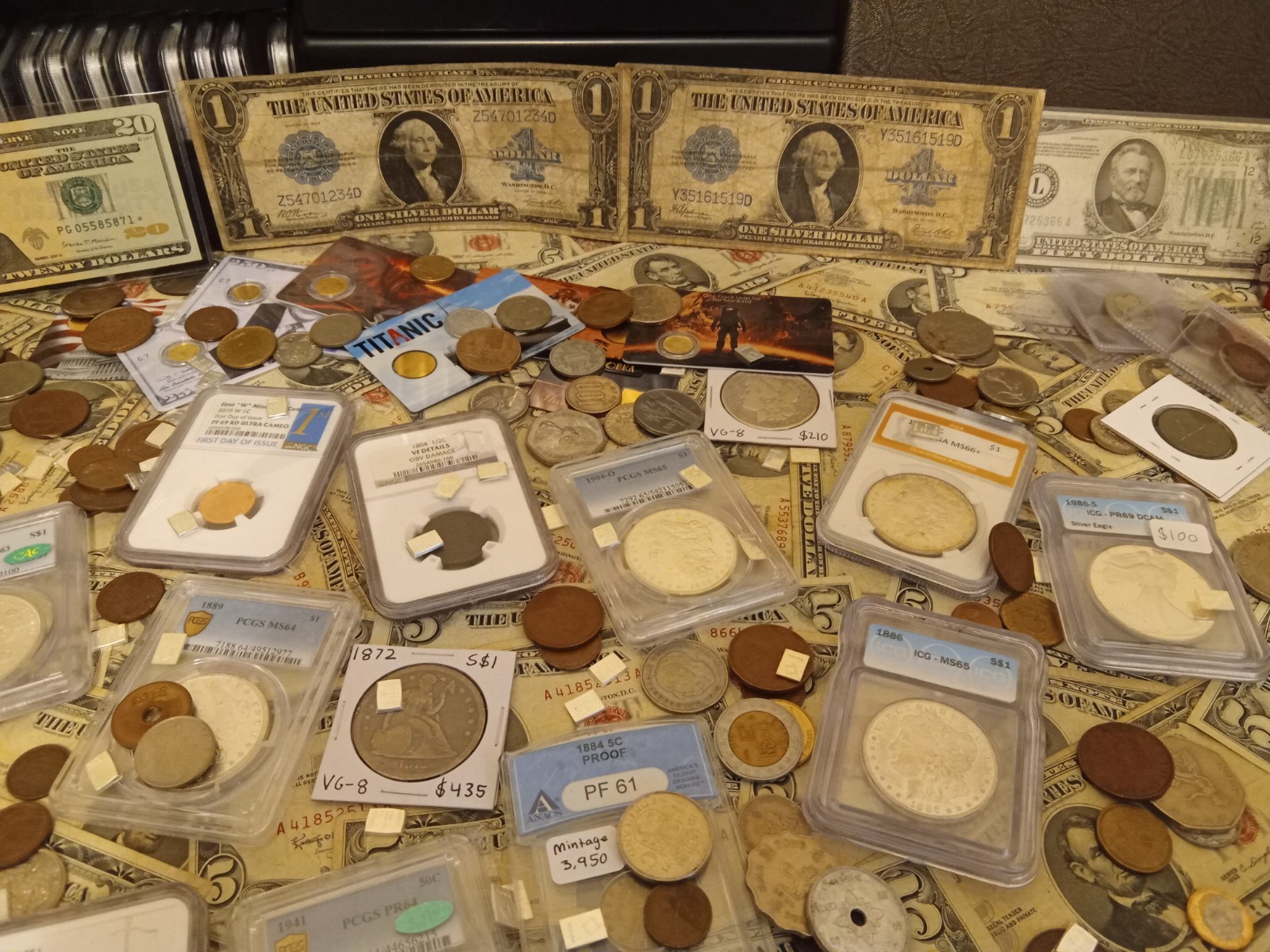
状態は価格に指数関数的な影響を与えます。UNC(未使用・新品同様)と評価された紙幣は、希少性に応じて、Fine (F) 状態の同じ紙幣の5倍から20倍の価格になることがあります。わずかな折り目や端の欠けでも、価値が30〜50%下がる可能性があります。例えば、一般的な1ドル札がUNCであれば5〜10ドルで売れるかもしれませんが、酷使された状態であれば0.50〜1.00ドル程度になるかもしれません。修理やトリミングといった改変は、その改変自体が歴史的に重要でない限り、価値をほぼゼロに落とします。

見分ける方法

本物かどうかの鑑定には、印刷技術の綿密な検査が必要です。細かい線細工、セキュリティスレッド、透かし、マイクロプリントなどを確認してください。本物の紙幣は凹版印刷(intaglio printing)が使用されており、触ると盛り上がっている感触があります。偽物は画像は模倣していますが、この触覚的な質感が欠けているか、印刷がぼやけていることが多いです。正直なミスとしては、プロの鑑定を受けていない偶発的な折り目や軽微な取り扱いによる損傷が挙げられます。確認のためには、必ず角、端、裏面を含む高解像度の画像を要求してください。

賢い購入法

高額なプレミアムを支払うのは、その紙幣が希少である、歴史的に重要である、または信頼できるグレーディングサービス(例:PMG, PCGS)によって認証されている場合にのみ正当化されます。一般的な現代の紙幣の場合、「Near Mint」グレードに対して流動市場価格の2倍以上を支払うのは、紙幣が完璧でない限り、通常は過払いになります。公正な取引とは、文書化されたグレードを反映した価格設定を意味します。もし販売者がUNCだと主張しているのに、中央の折り目を示す写真を提供している場合、価格はそれに応じて割引されるべきです。

賢い販売法

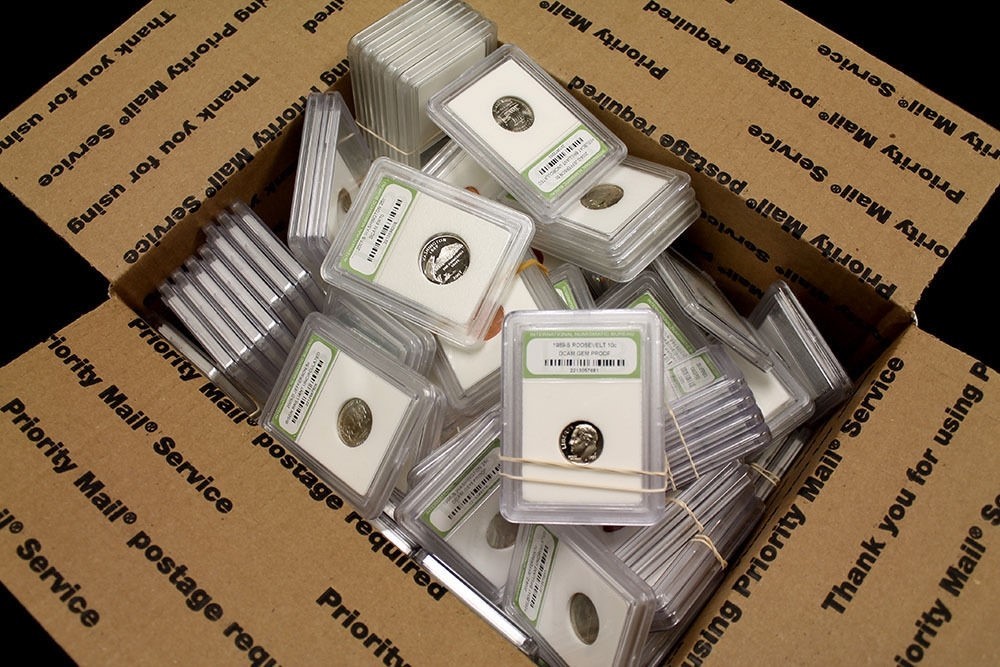
プロの第三者機関によるグレーディングスラブ(例:MS-65)を付けて出品することで、本物であることと状態が即座に確立され、最高レベルの買い手の関心を集めます。出品物の中で最も価値のある証拠は、グレーディング証明書そのものです。未鑑定(raw)で販売する場合は、購入者の期待値を管理し、紛争を防ぐために、正確な状態(例:「VF、裏面に軽い縦の折り目あり」)を説明文に明記する必要があります。正確なグレーディング文書は、実現する販売価格の向上に直結します。

On eBay right now

Current asking prices from live listings — not sold-comp medians.

See all ↗

eBay links are affiliate links: JunkPal may earn a commission at no cost to you.

More Coins & Currency terms

albumIn numismatics, an album refers to a specialized book or binder used to house, organize, and display coin collections. These albums are not just storage; they aalloyThis refers to the specific metallic composition of a coin, meaning it is made from a mixture of two or more metals rather than a single pure metal. Different aancient coinThis refers to numismatic items dating back to very early civilizations, often predating the common era. These pieces are significant not just as currency, but antique coinThis refers to a coin that is genuinely old, typically predating the modern era, and often carries historical significance. The term is broad, encompassing anytauthenticationThis process involves verifying the genuineness of a coin to ensure it is not a counterfeit. For collectors and resellers, authentication is paramount because aauthentication certificateAn authentication certificate is a document issued by a recognized third-party grading or authentication service that verifies the genuineness and condition of bag breakA bag break refers to the process where a dealer or collector purchases a large, bulk lot of coins, often referred to as a "bag," and then individually sorts, abag holderA bag holder is a specialized, often archival-quality plastic or cardboard sleeve designed to safely store and protect individual coins or small sets of currencbag markA bag mark refers to a light surface abrasion or scuffing that occurs on a coin when it is stored in a plastic or cloth bag with other coins. These marks are tybaggedThis term refers to coins that have been stored or sold in bulk, often within plastic bags or pouches, rather than individually graded or displayed in protectivbagged varietyThis refers to a specific coin that exhibits a particular variation in its minting, design, or metal composition, and this variation is documented and recognizebandedThis term refers to a specific type of surface marking or feature on a coin, often indicating a deliberate design element or a form of wear pattern. In numismatbanknote gradeThis refers to the condition and quality assessment of paper currency, much like grading for coins. Instead of using traditional numismatic grades like MS or VFbronzeThis refers to a metal alloy primarily composed of copper, often mixed with tin or other elements, used in the casting or striking of certain numismatic items.
All Coins & Currency terms →