What does “wholesale price” mean?
What it means
Wholesale price is the cost at which a dealer or reseller acquires a collectible coin directly from a primary source, such as a mint distributor, large-scale auction house liquidation, or bulk inventory seller. It is the foundational acquisition cost, distinct from the retail price which incorporates dealer markup, overhead, and profit margin. For the coin market, this is the cost before any grading or final market assessment is applied. The mainstream equivalent is simply the "cost of goods sold" (COGS) for a reseller.
What it does to price
Wholesale pricing establishes the baseline for potential profit. If a coin is acquired at a wholesale rate of \$50, the minimum viable retail price must exceed \$50 plus operating costs. The difference between wholesale and retail is the profit margin. For common, low-grade circulation coins, the markup might be 2x to 4x the wholesale cost. For rare, high-grade specimens, the markup can be exponential, sometimes 10x or more, provided the wholesale acquisition was genuinely low. A realistic example: acquiring a common silver dollar at \$10 wholesale means a conservative retail listing starts around \$25–\$35.
How to spot it
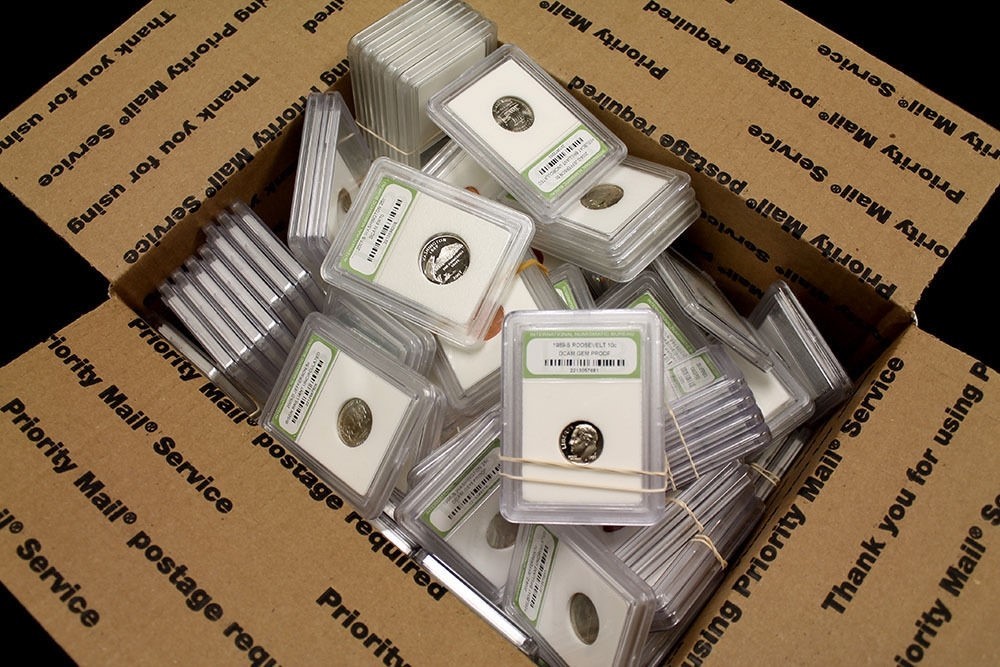
Identifying a wholesale price is rarely about a specific coin feature; it is about the transaction itself. Wholesale deals are usually structured as bulk lots, catalog sales, or direct consignment agreements. Tells include the lack of individual grading labels on the initial purchase, or the presentation of items in large, unsorted bins. When dealing with potential bulk purchases, request high-resolution photos of the entire lot, focusing on any visible mint marks or edge lettering. Be wary of "wholesale" claims on single, high-value coins unless the seller is a known, established primary distributor.
Buying smart
Paying a premium for a "wholesale" deal is justified when the inventory volume is high, the supplier has a proven track record of authenticity, and the acquisition cost is significantly below established secondary market averages. This strategy works best for filling inventory gaps with common or mid-tier coins where margins are built on volume. It is not worth it for single, high-rarity pieces unless the seller can prove the acquisition channel bypasses standard auction premiums. A fair deal involves a documented discount of at least 30% below the average secondary market retail price for the specified lot.
Selling smart
When selling inventory acquired wholesale, transparency regarding the source is rarely necessary, but demonstrating the *condition* is paramount. Buyers pay a premium not for the wholesale origin, but for the certainty of the item's quality. The single most valuable element in a listing is a clear, well-lit photo showing the coin under magnification, highlighting any specific surface details or known flaws. If the coin is professionally graded, the slab photo overrides all discussions of acquisition cost, commanding the highest possible premium.
On eBay right now
Current asking prices from live listings — not sold-comp medians.



eBay links are affiliate links: JunkPal may earn a commission at no cost to you.