What does “uncirculated grade” mean?
What it means
Uncirculated grade means the coin has never seen active commerce. It maintains the original luster and sharp strike intended by the mint. This is the highest standard of raw condition, distinct from "Mint State" (MS) which is a general term. In the grading hierarchy, Uncirculated is the baseline for coins that have not been handled or traded. The term is often superseded by specific numerical grades (e.g., MS-65, PR-67) assigned by third-party grading services (PCGS, NGC), which provide an objective measure of surface quality, including bag marks or mint luster retention.
What it does to price
Uncirculated condition is the primary driver of premium pricing. For a common modern coin, the difference between a circulated example and a certified Uncirculated example can be 5x to 20x its loose value. For rarer or older issues, the multiplier is exponential. A coin graded MS-65 might fetch 3x to 8x the price of an equivalent circulated example. Factors pushing the price up include high luster, sharp detail retention on high points (like hair or lettering), and passing third-party authentication. A single, noticeable surface scratch or ding, even on an otherwise perfect coin, can drop the value by 30% or more, depending on the coin's scarcity.
How to spot it
Visual inspection requires magnification. Look for sharp edges on all devices; lettering should not appear softened or rounded. The original mint luster—the mirror-like sheen—must be present and unbroken. Sellers must provide high-resolution photos showing the entire surface, including the fields (the flat areas) and the devices (the design elements). Common errors include "bag marks," which are light, often curved abrasions caused by contact within packaging. A common honest mistake is confusing a well-preserved, lightly handled coin (which might be graded AU—About Uncirculated) with a truly pristine Uncirculated specimen.
Buying smart
Paying a premium for Uncirculated status is justified only when the coin's rarity or historical significance is high. For common, modern bullion coins, the premium over a lower grade is often not worth the cost unless the coin is part of a specific, high-demand set. When the coin is scarce (e.g., low mintage proof sets or rare pre-war issues), the premium is necessary to secure the highest quality version. A fair deal involves the asking price being within 10-15% of established auction results for coins graded by the same recognized service.
Selling smart
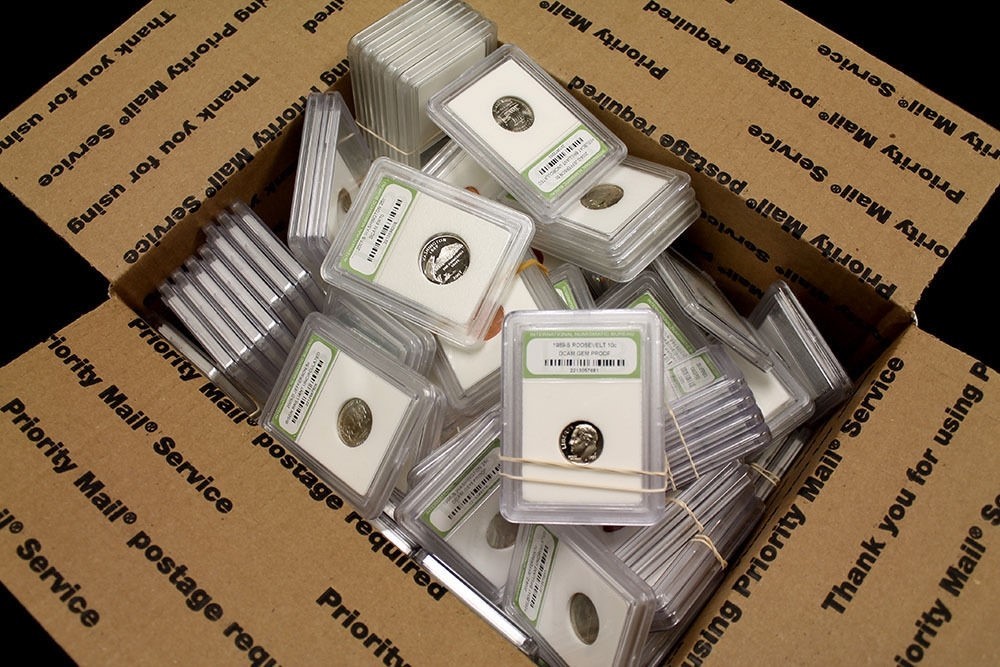
Listing a coin as "Uncirculated" without supporting evidence invites lowball offers. The premium is realized when the coin is professionally graded and slabbed by a recognized service (NGC/PCGS). A photo of the official certification label, showing the grade and the grading company's seal, is the single most effective element in justifying a high sale price. If selling raw (ungraded), detailed macro photography demonstrating the lack of wear and the presence of full luster must be provided to mitigate buyer risk.
On eBay right now
Current asking prices from live listings — not sold-comp medians.



eBay links are affiliate links: JunkPal may earn a commission at no cost to you.