What does “uncirculated” mean?
What it means
Uncirculated (UNC) is the highest state of preservation for a coin that has never entered the marketplace for transactional use. This means the coin retains its original mint luster and all design elements—such as lettering, relief, and field surfaces—are sharp and undamaged by wear. It is not merely "not worn"; it must exhibit the appearance of having been pulled directly from the minting press. This is distinct from "Proof" coins, which are specially prepared for collectors and have intentional mirror finishes and frosted devices. A UNC coin is a base issue coin that has been preserved perfectly.
What it does to price
The jump in value from circulated (Fine/Very Fine) to UNC is substantial, often representing a 3x to 10x multiplier depending on the coin's rarity and metal content. For common bullion coins, the premium might be 1.5x to 2x loose. For rare, high-demand coins, the premium can be exponentially higher. Factors that reduce value include bag marks (light scratches from being in a roll or bag) or contact marks. A common example: a circulated Lincoln Cent might sell for $0.10, while the same coin in UNC condition could fetch $0.50 to $1.00, solely due to the preservation grade.
How to spot it
Visual inspection is key. Look for full, vibrant mint luster across the entire surface, not just in the recesses. Details like the fine lines on a portrait or the lettering on a date must be crisp, not softened or smoothed over. Sellers must provide high-resolution, well-lit photos from multiple angles. Common errors include "bag marks"—light, parallel scratches across the field—which immediately downgrade the grade. Some sellers mistakenly label a heavily handled, though technically uncirculated, coin as perfect UNC; this requires scrutiny.
Buying smart
Paying a premium for UNC is justified when the coin is a recognized numismatic key date or a coin with high intrinsic collector demand (e.g., rare silver or gold issues). If the coin is a common modern date, the premium over a well-preserved circulated example may not yield a proportional return on investment. A fair deal involves the seller providing third-party grading (PCGS or NGC) or high-quality photos that confirm the absence of significant handling marks. If the price is significantly above market averages for known UNC examples, caution is warranted.
Selling smart
To maximize return, the listing must explicitly state the coin is "Uncirculated" and, ideally, include a certification from a major grading service. If selling loose, the single most valuable element in the listing is a close-up photo of the coin's field showing the original mint luster and the sharpness of the highest points. A simple descriptor like "Mint State" is insufficient; using the specific term "Uncirculated" sets the expectation for the high-end buyer and justifies the premium price point.
On eBay right now
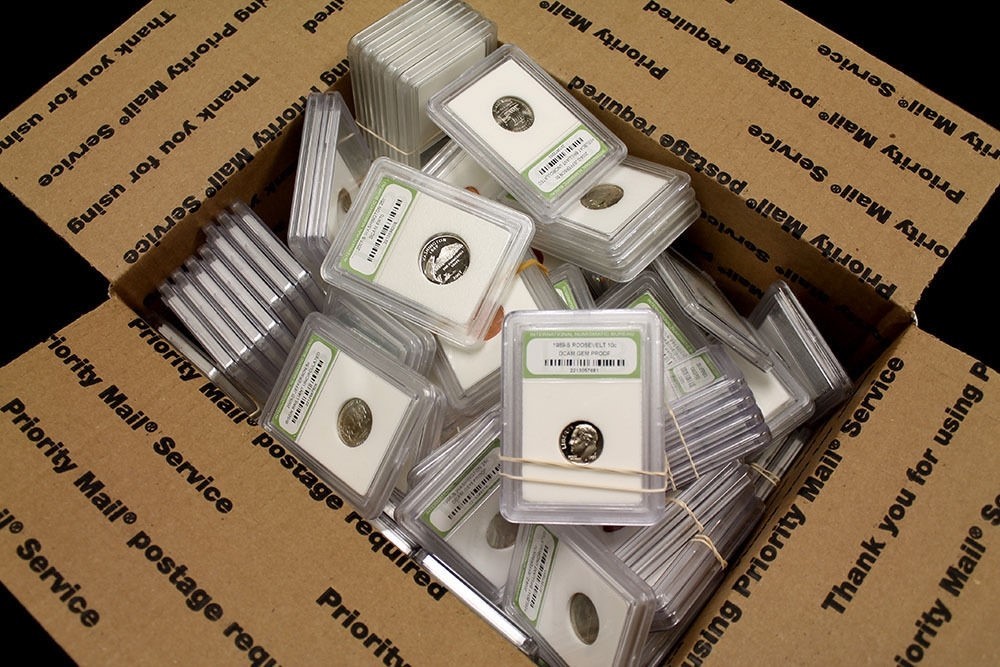
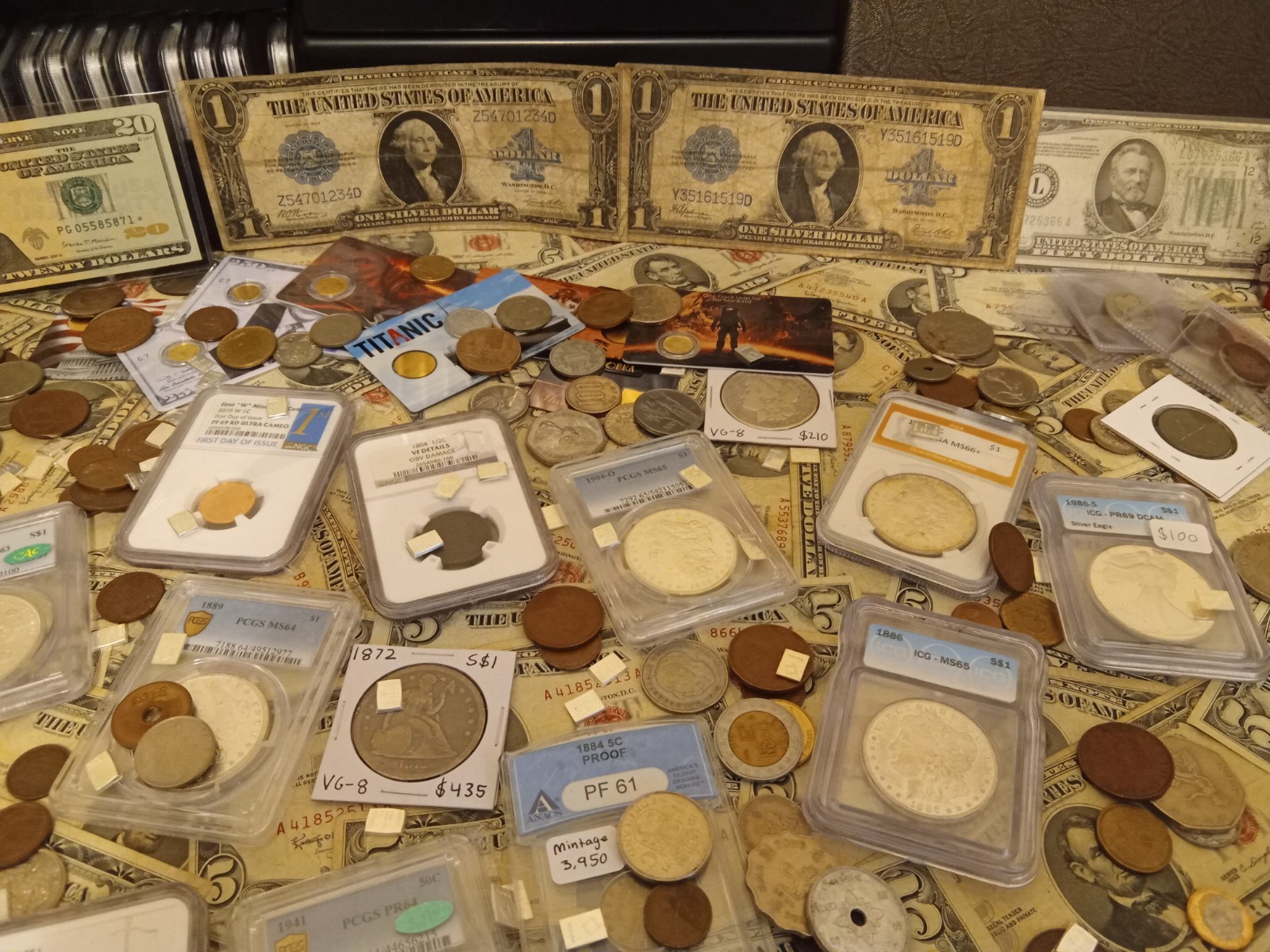
Current asking prices from live listings — not sold-comp medians.



eBay links are affiliate links: JunkPal may earn a commission at no cost to you.