What does “strike” mean?
What it means
The strike is the physical impression of the design onto the coin during minting. It is the transfer of the die's image—portrait, lettering, and relief—onto the metal. This is not simply about the design; it is about the *execution* of that design. A strong strike means the die fully impressed the metal blank, resulting in sharp, crisp details. A weak or "off" strike means the metal did not fill the die cavity completely, leading to flat, mushy, or incomplete features. The mainstream equivalent is the physical clarity of the coin's design elements.
What it does to price
Strike quality directly impacts premium. A coin with a full, sharp strike commands a significant premium over one with a weak or hairlined strike, even if both share the same grade (e.g., both are AU). A coin with exceptional, high-relief striking can see value increases of 25% to 75% over a comparable example with a poor strike. Conversely, a coin with obvious die cracks or weak strikes can see value drop by 30% or more. For example, a standard circulated Lincoln Cent with a weak strike might sell for $1.50, while the same coin with a perfect, sharp strike could command $2.50 or more, depending on rarity.
How to spot it
Assessment requires magnification. Look closely at fine details: the hair strands on a portrait, the lettering on the date, or the fine lines in a wreath. A good strike shows these elements clearly separated from the field. A poor strike shows them blending into the background or appearing blurred. Sellers should provide high-resolution, close-up photos focused specifically on the highest relief areas (e.g., the edge of the portrait). Common issues include "weak strikes" (metal didn't fill the die) or "off-center strikes" (the entire design is not centered on the flan).
Buying smart
Paying a premium for strike quality is worthwhile when the coin is otherwise high-grade and rare, or when the difference between a good strike and a poor strike is dramatic (e.g., comparing a weak strike to a known, high-quality mint specimen). Do not pay a massive premium solely for strike if the coin is common or low-grade; the market absorbs weak strikes on common coins easily. A fair deal involves the premium for strike being proportional to the rarity of the coin. If a coin is common, the strike premium should be minor, perhaps 5-10%.
Selling smart
When listing, explicitly describing the strike quality justifies higher pricing. Use specific terms: "Full strike," "Sharp relief," or "High detail strike." If the strike is outstanding, use the word "Crisp." If it is merely acceptable, state "Good strike." The single most effective addition to a listing is a macro photograph clearly showing the sharpness of the lettering or portrait detail. This visual proof allows the buyer to verify the claimed quality, securing the premium price.
On eBay right now
Current asking prices from live listings — not sold-comp medians.


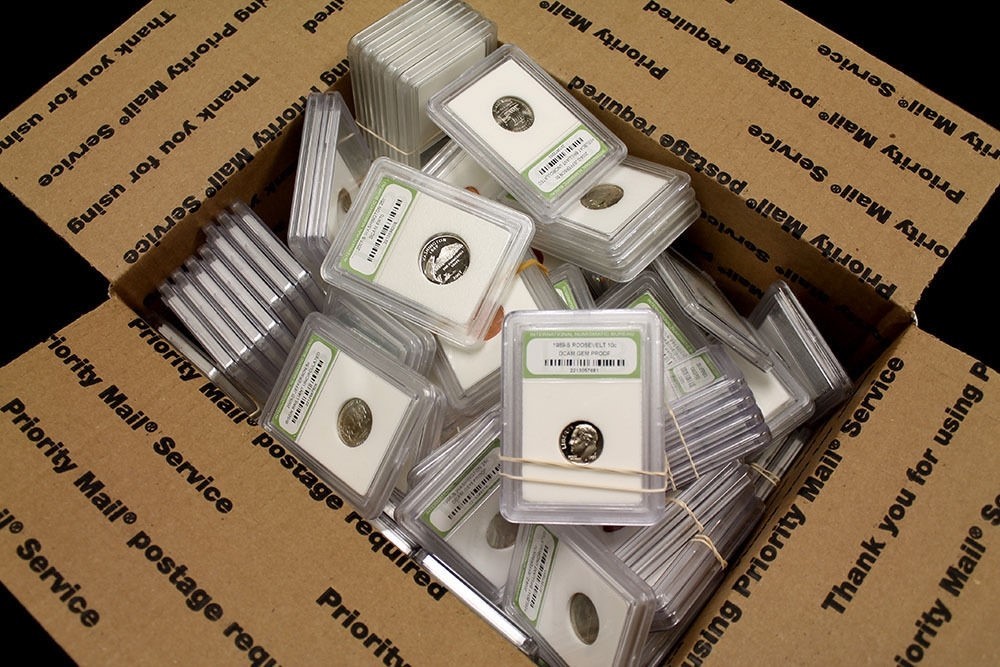
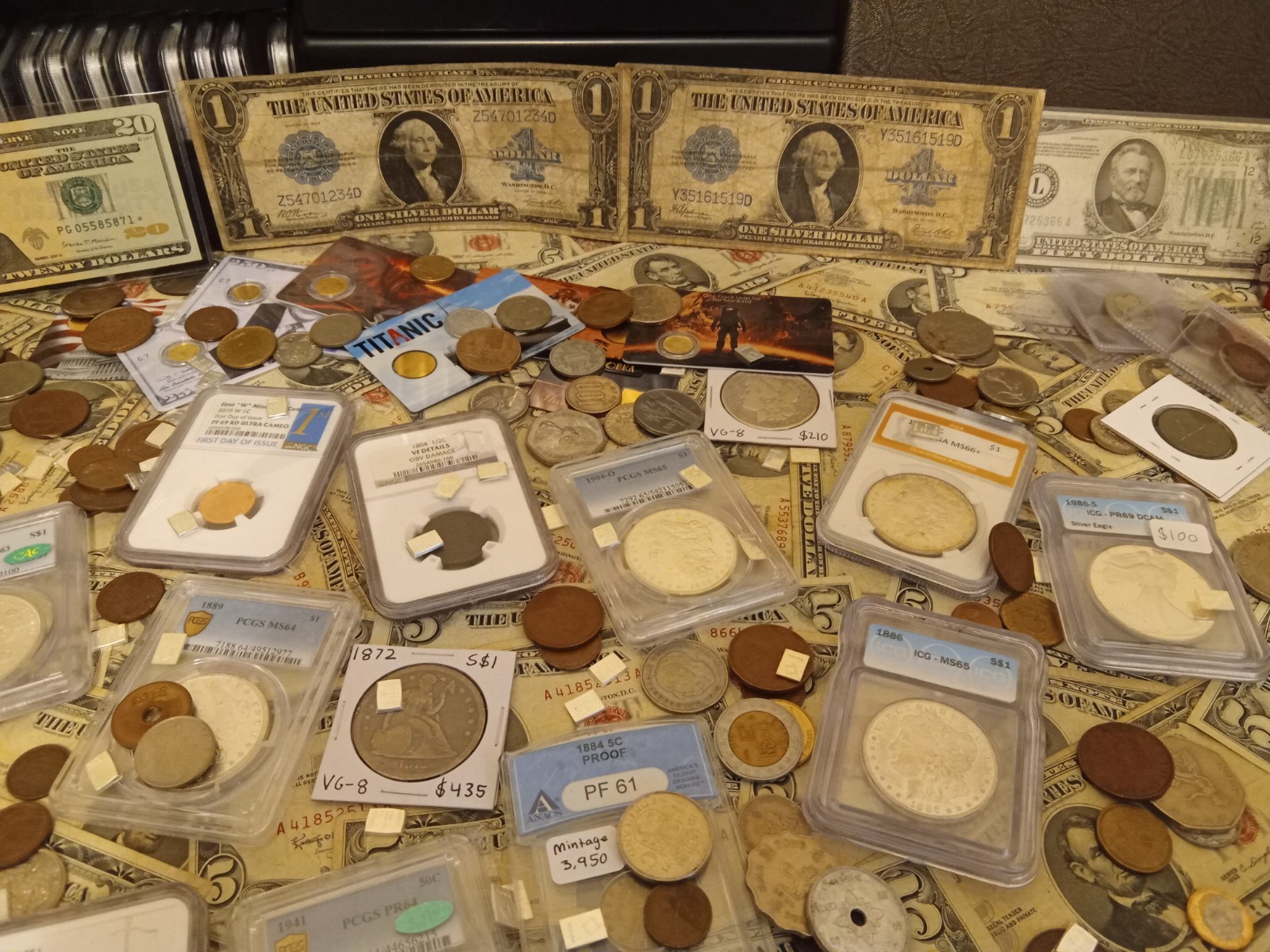
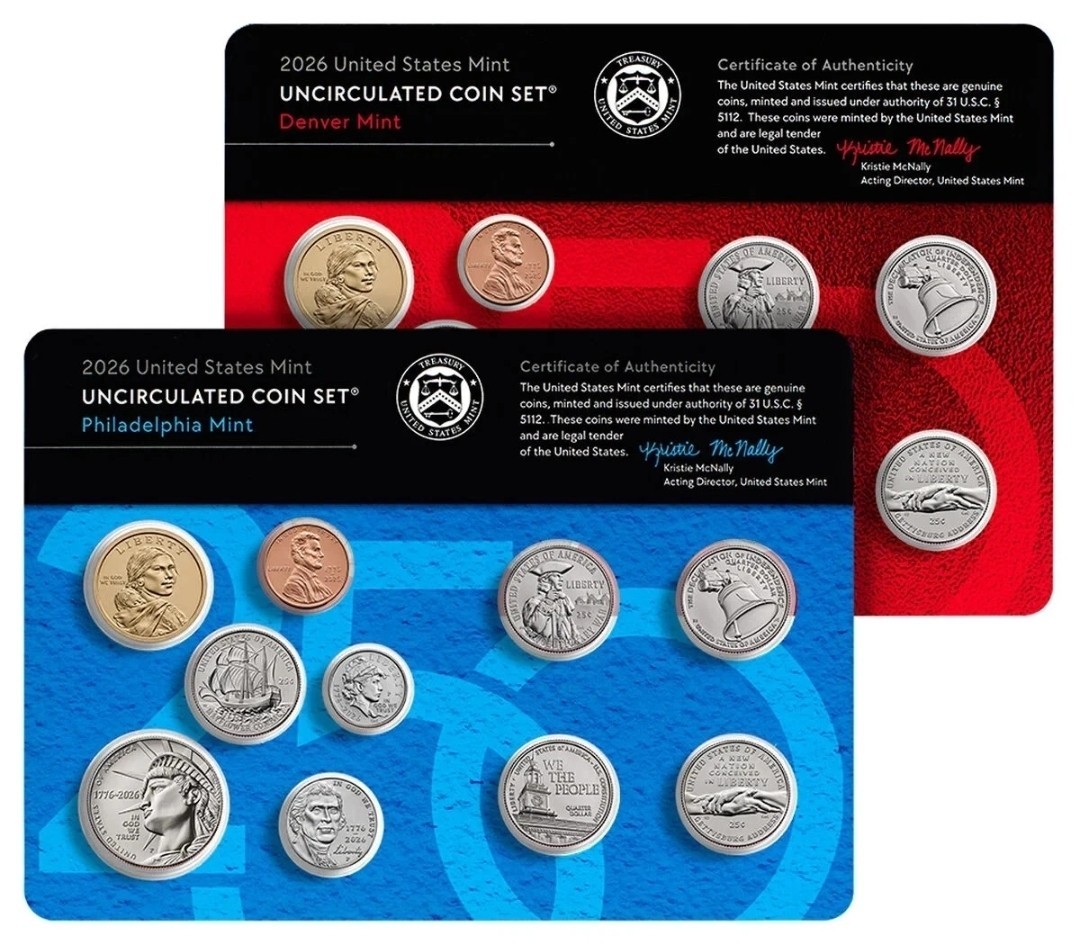
eBay links are affiliate links: JunkPal may earn a commission at no cost to you.