What does “slabbed variety” mean?
What it means
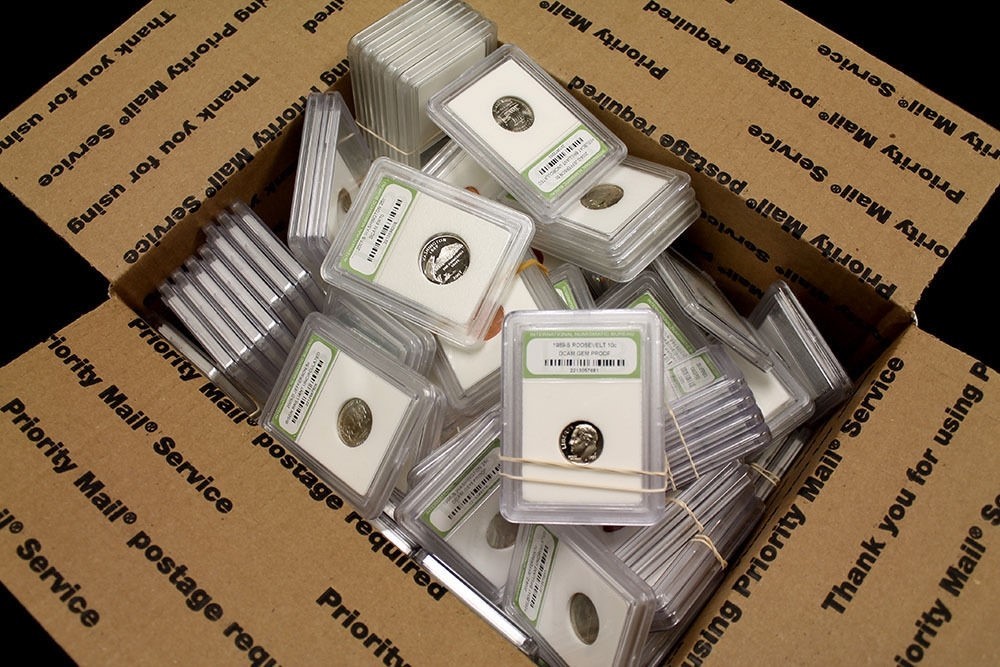
A "slabbed variety" is a coin that meets two criteria: it is a recognized variety (a specific, documented deviation from the standard mint issue) and it has been professionally graded and sealed in a tamper-evident case, or "slab," by a recognized third-party grading service (e.g., PCGS, NGC). The "variety" aspect is the key differentiator; it means the coin is not just a high-grade standard issue, but possesses a specific, documented anomaly—this could be a die crack, a specific mint mark placement, or a known die state variation. The grading service verifies both the authenticity of the variety and the coin's physical condition (grade). This is distinct from a high-grade standard coin; the variety elevates the rarity profile.
What it does to price
The combination of a confirmed, desirable variety and a high-grade slab applies a significant multiplier to the base value. A standard, high-grade coin might sell for $X; a slabbed variety of the same grade can fetch 3x to 10x that value, depending on the documented rarity of the specific variety. The grade (e.g., MS-65 vs. MS-69) is the primary driver of the multiplier. A minor, common variety in a high grade might only add 1.5x to the loose value. Conversely, a rare, documented variety in a lower grade (e.g., AU-58) can still command a premium over a standard AU-58 due to the variety factor alone.
How to spot it
Spotting the variety requires specific numismatic knowledge regarding the coin series. Sellers must provide documentation linking the coin to a known variety designation (e.g., "Die Shift," "Off-Center Strike"). The tell is not always visible on the surface; sometimes it is a subtle die characteristic or a specific die axis alignment. Always request high-resolution, multi-angle photos of the slab itself, ensuring the certification number and grade are legible. Common pitfalls include misidentification—a seller claiming a variety that is actually a common manufacturing flaw or an honest error that the grading service has not officially cataloged as a recognized variety.
Buying smart
Paying a premium for a slabbed variety is justified only when the variety is documented as rare and desirable within the collecting community. If the variety is obscure, poorly documented, or the grade is low, the premium often outweighs the collectible benefit. A fair deal involves comparing the slabbed variety's listed auction results against the established market value for the *standard* coin of that grade, then assessing the multiplier applied. If a known rare variety is graded high (e.g., MS-67+), the premium is usually warranted. If the variety is common, the price should align closely with the standard high-grade coin.
Selling smart
Listing a slabbed variety requires immediate and clear communication of its dual value proposition: high grade *and* documented rarity. The listing must explicitly state the variety designation and reference the grading service’s certification number. The single most effective element for earning the premium is a clear, close-up photograph of the slab's certification label, showing the grade and the official certification number. This instantly validates the claim of authenticity and rarity to specialized buyers, allowing the seller to command the highest tier of collector pricing.
On eBay right now
Current asking prices from live listings — not sold-comp medians.




eBay links are affiliate links: JunkPal may earn a commission at no cost to you.