What does “slabbed uncirculated” mean?
What it means
"Slabbed uncirculated" means a coin has been professionally authenticated, graded, and sealed in a tamper-evident case (the "slab") by a recognized third-party grading service, such as PCGS or NGC. The "uncirculated" designation means the coin exhibits no signs of wear from being handled or used in commerce. The grading company provides a verifiable guarantee of authenticity and assigns a specific numerical grade (e.g., MS-65). This is the industry standard for high-value numismatic sales, replacing the subjective assessment of a casual collector.
What it does to price
The slabbed, uncirculated status applies a significant, measurable premium. For common coins, the premium might be 1.5x to 3x the loose ungraded value. For rare or high-demand coins, the premium can be exponentially higher, sometimes exceeding 10x the loose value, depending on the assigned grade. Factors pushing the price up include high grades (e.g., MS-67 and above) and the reputation of the grading company. A realistic example: A common silver coin valued loose at \$50 might sell for \$150–\$200 when graded and certified in a high MS grade.
How to spot it
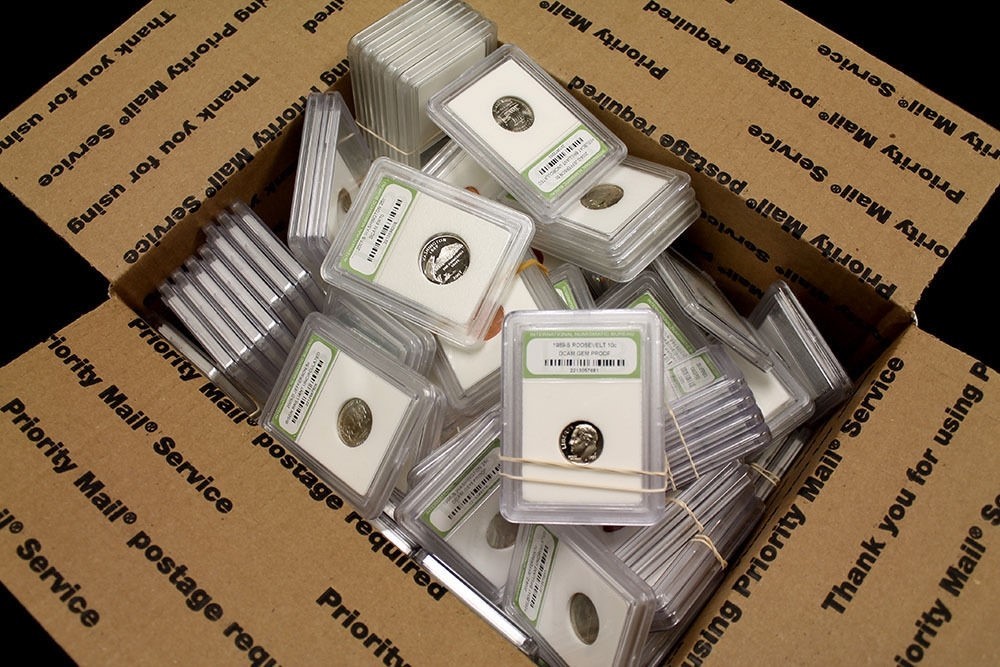
The primary tell is the physical holder itself—a rigid, sealed plastic casing bearing the grading company's certification label and grade. Sellers must provide clear, high-resolution photographs of both the coin *within* the slab and the certification label itself. Common issues include counterfeit slabs (fake holders) or "grade inflation," where a coin is graded higher than its actual condition warrants. Always verify the grading company's website to ensure the slab's security features match their current standards.
Buying smart
Paying a premium for slabbed coins is justified when the coin is rare, has high market demand, or when the seller's grading is necessary to mitigate risk on an expensive purchase. It is not worth the premium for low-value, common coins where the difference in price is negligible. A fair deal requires the listed price to align with recent sales data for that specific grade and coin type. If the premium seems excessive relative to the coin's inherent scarcity, further due diligence is required.
Selling smart
Listing a coin as "Slabbed Uncirculated" immediately qualifies the item for a higher price bracket. The certification acts as instant proof of quality, removing the need for buyers to trust subjective descriptions. The single most impactful element in a listing is a clear, focused photo of the *label* showing the grade and certification number. Including the slab's certification number in the title allows serious buyers to instantly verify the grade on the grading service's database, streamlining the purchase process and justifying the top-tier pricing.
On eBay right now
Current asking prices from live listings — not sold-comp medians.




eBay links are affiliate links: JunkPal may earn a commission at no cost to you.