What does “slabbed selection” mean?
What it means
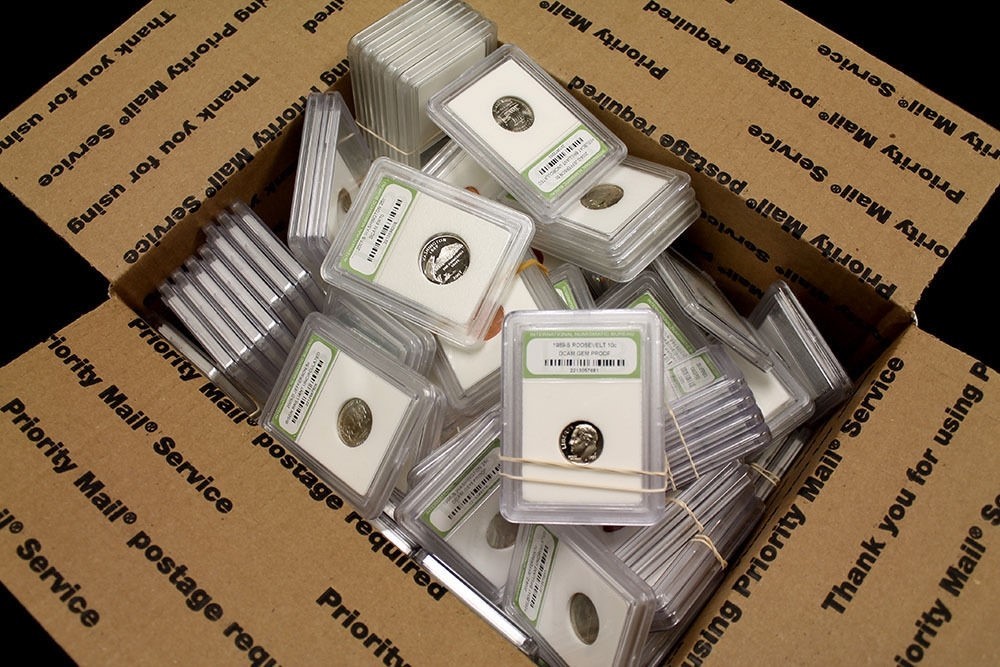
A slabbed selection is a pre-curated grouping of coins that have undergone third-party professional grading and encapsulation. The encapsulation, or "slab," comes from recognized grading services like PCGS or NGC. The term "selection" distinguishes this from a random lot; it signifies that the dealer has grouped coins based on a specific criterion—theme, denomination, date range, or quality level. The mainstream equivalent is a "graded lot" or "curated graded assortment." The key function of the slab is to provide an objective, verifiable assessment of the coin's condition (its grade) and authenticity.
What it does to price
Grading provides immediate risk mitigation for the buyer, which directly translates to a price premium for the seller. A single, high-grade coin in a selection commands a higher price than the same coin loose. For a selection, the premium is driven by the consistency of the grades within the group. A well-graded selection of 10 coins might fetch 1.8x to 3x the combined price of the same 10 coins sold individually loose, depending on the rarity of the coins involved. If the selection contains one significantly lower-graded coin, the entire lot's perceived value can drop by 15-25%. For example, a set of 10 mid-grade silver dollars might sell for $1,500 slabbed, versus $900 loose.
How to spot it
The primary tell is the presence of the tamper-evident plastic holder (the slab) affixed to the coin. Verify the grading company's official holographic sticker is present and undamaged. Look for the specific certification number printed on the slab; this number must correspond to the coin in the grading service’s database. A common mistake is an "unverified slab"—a holder that looks authentic but lacks a valid, traceable certification number. Another issue is "re-slabbing," where a coin is removed from its original holder and placed in a new one; this is usually detectable by subtle differences in the plastic or internal markers.
Buying smart
Paying a premium for a slabbed selection is justified when the selection is highly thematic, features coins from a known high-grade series, or when the individual coins are rare enough that the grading verification saves substantial research time. It is not worth the premium if the selection is generic (e.g., "10 assorted dates") and the individual coins are common. A fair deal involves the asking price being within 20% of the calculated aggregate value of the individual coins, factoring in the convenience and risk reduction provided by the grading.
Selling smart
Listing a slabbed selection requires immediate visual proof of the grading. The listing must feature clear, high-resolution photos of the entire selection *and* close-ups of the certification labels on the slabs. The single most valuable piece of information to include is the full certification number for each coin, or at least a clear photo showing the grade assigned by the third party. This transparency validates the premium and prevents buyers from questioning the authenticity of the grades.
On eBay right now
Current asking prices from live listings — not sold-comp medians.




eBay links are affiliate links: JunkPal may earn a commission at no cost to you.