What does “slabbed roll” mean?
What it means
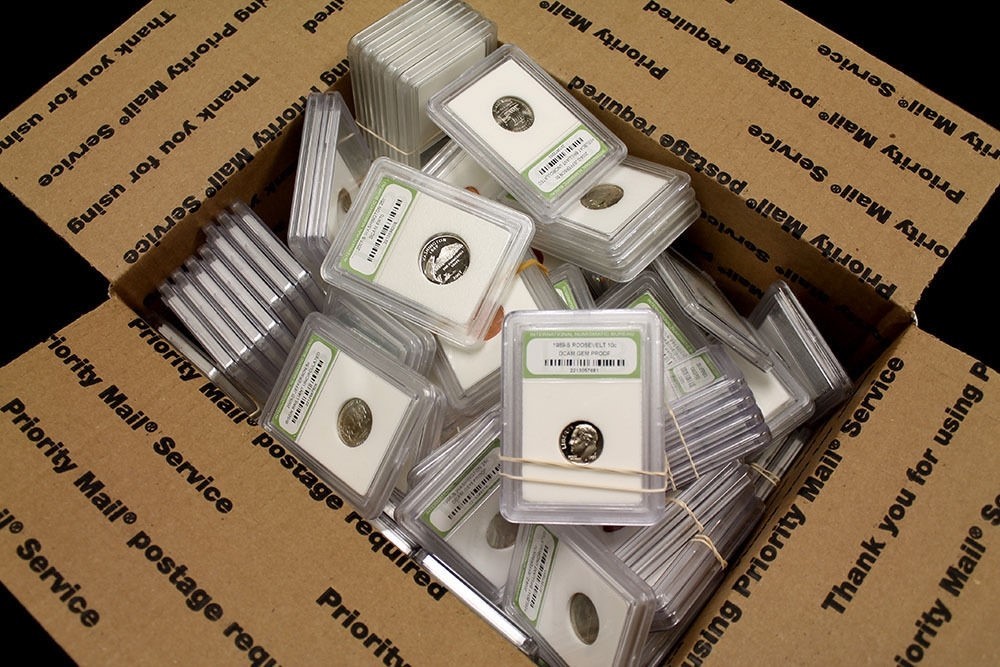
A slabbed roll is a collection of coins, usually a pre-packaged roll from a specific mint or date, that has been submitted to and sealed by a recognized third-party grading service, such as PCGS or NGC. The "slab" is the tamper-evident plastic holder containing the coins. This process moves the item from being simply "loose" (ungraded) to being professionally authenticated and graded. The grading service verifies the authenticity of the coins and assigns a specific grade (e.g., MS-65). For the reseller, the slab serves as a permanent, third-party guarantee of both genuineness and condition.
What it does to price
Slabbed items carry a significant premium over their loose counterparts. The multiplier depends heavily on the coin's inherent scarcity and the grade achieved. For common rolls, the premium might be 1.2x to 2x loose value. For rare or high-grade rolls, the premium can exceed 5x. A key driver is the grade; a roll graded MS-65 will command substantially more than the same roll graded MS-58. For example, a common roll valued at \$50 loose might sell for \$90 to \$120 once slabbed and graded high. Damage to the slab, such as cracks or dents, can immediately reduce the perceived value by 10-20%.
How to spot it
The primary tell is the presence of the official, sealed holder from the grading company. Look for the company's unique certification label and hologram. Sellers must provide clear photos showing the entire slab, including the certification number visible on the holder. Common issues include counterfeit slabs—fakes that mimic the official look but lack the genuine security seals or proper grading labels. Another mistake is having the coins *inside* a slab, but the slab itself is not officially graded (i.e., it's just a protective case, not a certified holder). Always verify the certification number against the grading service's online database.
Buying smart
Paying the premium for a slab is justified when the coin's inherent value is high or when the grade is critical to the investment thesis. If a roll is known to be rare, the authentication provided by a major service is worth the cost. It is not worth the premium for common, low-value rolls unless the seller is offering a steep discount on the grading fee itself. A fair deal involves the total price (coin + grading fee) being reasonably proportional to the expected market value of the certified grade. If the asking price is more than 3x the known loose market value without a corresponding jump in grade, caution is warranted.
Selling smart
Listing a slabbed roll requires absolute transparency regarding the certification. The most valuable element in the listing is a high-resolution photo clearly showing the certification label and the grade designation on the slab. The description must explicitly state the grading service (e.g., "PCGS Graded MS-67"). This single piece of information shifts the transaction from a speculative purchase to a verified acquisition, allowing the seller to command the certified premium, often netting 20-40% more than an equivalent loose sale.
On eBay right now
Current asking prices from live listings — not sold-comp medians.




eBay links are affiliate links: JunkPal may earn a commission at no cost to you.