What does “slabbed proof” mean?
What it means
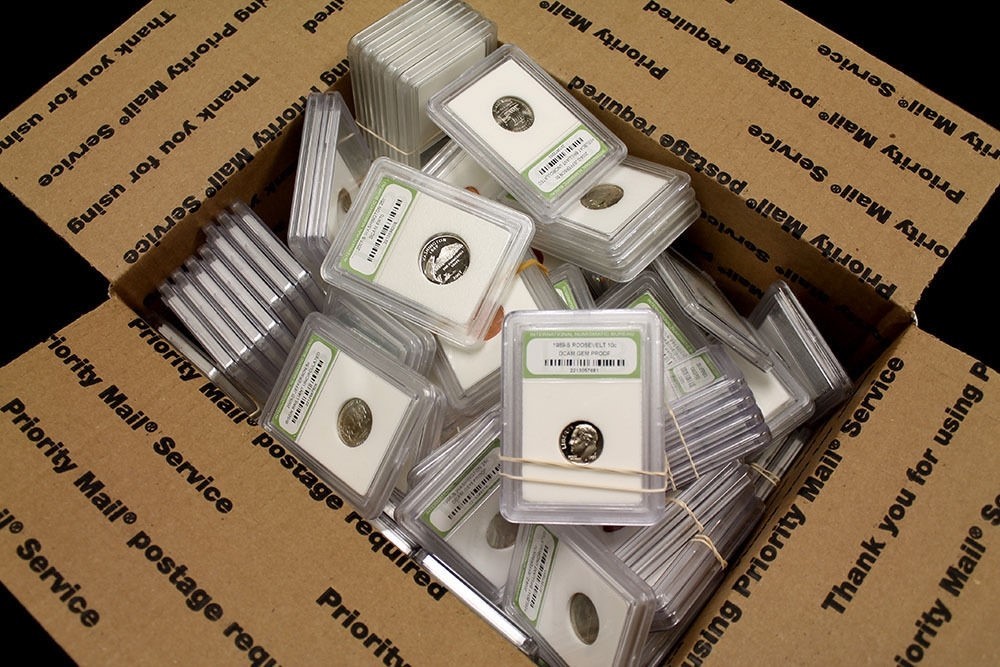
A slabbed proof is a coin that has undergone professional third-party grading and encapsulation (the "slab"). The "proof" designation refers to the coin's manufacturing process: it was struck using specialized dies and materials to achieve a high-quality finish. This finish typically features a mirror-like, highly reflective field and frosted or matte details (devices). The slab serves as verifiable authentication, confirming the coin's genuineness and its assigned grade (e.g., MS-65). This is distinct from a standard mint issue, which is usually a regular strike.
What it does to price
The combination of slabbed authentication and proof quality commands a significant premium over uncertified or standard issues. Generally, a high-grade, slabbed proof can fetch 3x to 10x the price of an equivalent, ungraded, or standard-strike coin in the same condition, depending on rarity. Factors pushing the price up include a high numerical grade (e.g., PR-68 vs. PR-62) and the specific rarity of the proof set. A major downward pressure comes from a poor grade or evidence of handling/scratches within the slab. For example, a common modern proof coin graded PR-65 might sell for $150, whereas the same coin graded PR-68 could easily command $400+.
How to spot it
The primary tell is the visual contrast: the coin fields should be highly reflective (mirror-like), while the design elements should appear frosted or textured. Proof coins often have specific mint marks or die varieties associated with their proof runs. Sellers must provide high-resolution photos showing the entire coin surface, both fields and devices, to verify the finish. Common issues to watch for include "proof-like" finishes on standard mint coins (often achieved through heavy polishing) or counterfeit slabs. Always check the grading company’s official database using the provided certification number to confirm the grade and authentication.
Buying smart
Paying the premium for a slabbed proof is warranted when the coin is rare, historically significant, or has a high intrinsic value where third-party verification is necessary to mitigate risk. It is not worth the premium for common, low-value issues where the cost of grading might exceed the coin's value. A fair deal involves the asking price being reasonably aligned with recent auction results for the same grade and certification body. If the seller is asking significantly more than comparable sales data suggests, the premium is inflated.
Selling smart
Listing a slabbed proof requires immediate and prominent display of the certification. The most critical element in a listing is the clear photo of the coin *inside* the slab, alongside a photo of the slab's certification label. The word "Graded" or the specific grade (e.g., "PCGS PR-66") in the title is non-negotiable. This single piece of verifiable data is what justifies the premium pricing, as it transfers the authentication burden from the buyer to the grading company.
On eBay right now
Current asking prices from live listings — not sold-comp medians.



eBay links are affiliate links: JunkPal may earn a commission at no cost to you.