What does “slabbed paper type” mean?
What it means
Slabbed paper type refers to paper currency that has been sealed in a tamper-evident plastic holder by a recognized third-party grading service (e.g., PMG, PCGS). This process involves authentication—verifying the note is genuine—and grading, which assigns a standardized numerical or descriptive condition rating (e.g., MS-65, AU). The slab is the physical evidence of this assessment. For the collector or reseller, the slab replaces subjective condition assessment with an objective, verifiable standard. The grade is the primary data point for valuation, not the presence of the plastic itself.
What it does to price
Grading introduces a premium, but the multiplier is entirely dependent on the rarity of the note and the grade achieved. For common notes, the premium might be marginal (5-15%). For high-demand, low-mintage items, the premium can be substantial, sometimes 3x to 10x the loose (ungraded) value, especially when moving from a lower grade (e.g., AU) to a top grade (e.g., MS-67). A $1,000 ungraded note might fetch $2,500+ if it achieves a top-tier slab grade. Factors pushing the price up include a high numerical grade and a recognized grading company. Factors pushing it down include a low grade or a poorly recognized grading service.
How to spot it
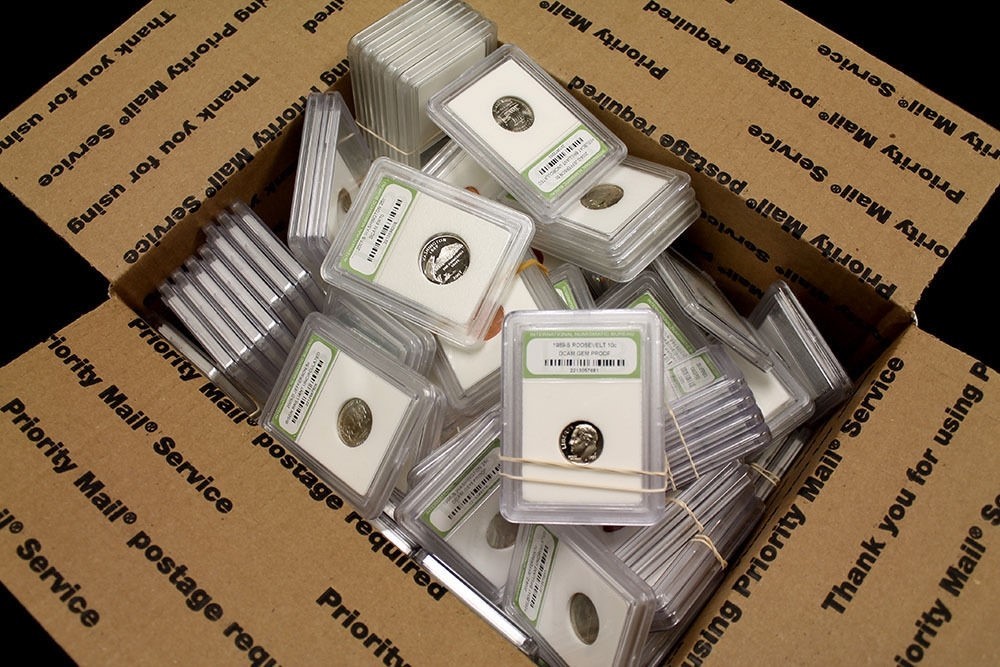
The tell is the plastic holder itself, which bears the grading company's logo, a unique certification number, and the assigned grade. Authentic slabs have precise, factory-applied seals that are difficult to replicate. Common fakes involve counterfeit holders or notes that have been "trimmed" or altered to fit a specific slab size. A major honest mistake is attempting to "re-slab" a note—putting an ungraded note into a pre-existing, graded holder. Always verify the certification number on the slab against the grading service’s online database to confirm the note’s history and grade.
Buying smart
Paying the premium is warranted when the note is scarce and the grade is high (e.g., a low-mintage $100 bill in MS-65+). If the note is common, the premium often outweighs the potential value increase. A fair deal involves comparing the slabbed price to recent auction results for the *exact* grade and certification company. If a seller is asking 50% more than comparable sales for the same grade, the premium is excessive. If the seller offers a reputable slab at a price near the lower end of established market ranges, it is a sound acquisition.
Selling smart
The slab is the primary selling tool. A listing must clearly state the grading service and the exact grade (e.g., "PMG MS-64"). This removes negotiation friction around condition. The single most effective element in a listing is a high-resolution photo of the *entire* slab, showing the grade and certification number clearly visible. Buyers pay the premium for the *guarantee* the slab provides; the listing must prove that guarantee is present and verifiable.
On eBay right now
Current asking prices from live listings — not sold-comp medians.




eBay links are affiliate links: JunkPal may earn a commission at no cost to you.