What does “slabbed paper” mean?
What it means
Slabbed paper refers to paper currency professionally encapsulated in a tamper-evident holder, known as a slab. This process is performed by third-party grading services such as PCGS or PMG. These services assign a numerical grade to the note based on its physical condition (e.g., Uncirculated, Extremely Fine). The slab serves as verifiable proof of authenticity and condition. The numerical grade is the primary descriptor, replacing subjective condition assessments. The slab itself is the standardized presentation format for high-value transactions.
What it does to price
Slabbed status acts as a significant value multiplier. For common, low-grade notes, the premium is negligible or negative. For high-grade, scarce notes, the premium is substantial. A CIB (Certified Investment Grade) copy of a desirable note typically fetches 1.5x to 4x the price of an equivalent loose note, depending on the scarcity of the grade achieved. Factors pushing value up include a high grade (e.g., MS-65+), a recognized grading service, and the rarity of the specific note variety. A realistic example: A rare $100 bill graded MS-67 by PCGS might command $1,500, whereas the same bill, if ungraded and in MS-67 condition, might sell for $600.
How to spot it
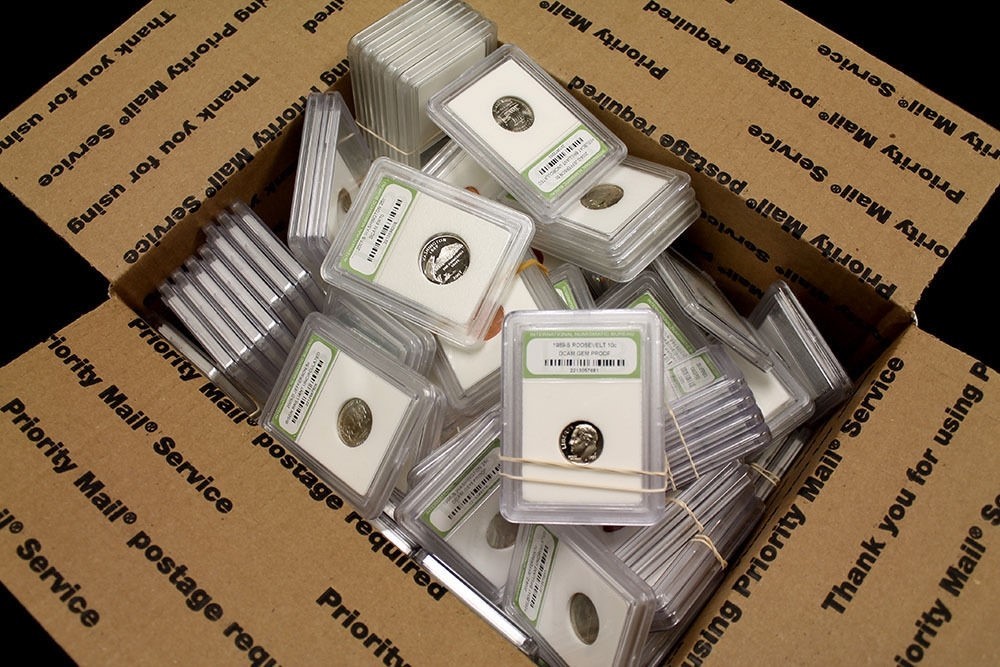
The tell is the plastic holder itself, bearing the grading company's certification label and the assigned grade. Examine the holder for any signs of damage, cracks, or residue. Sellers must provide clear, high-resolution photos of the entire slab, showing the certification label and the note itself. Common mistakes include notes that have been "trimmed" or altered inside the slab, or notes that were poorly encapsulated, allowing moisture ingress. Fakes often involve counterfeit slabs or misrepresentation of the grade on the label.
Buying smart
Paying the premium for a slab is warranted when the note is rare, historically significant, or when the market consensus dictates that the grade is critical to value. If the note is common or the grade is low (e.g., VF-20), the cost of the slab and grading fee may outweigh the potential increase in resale value. A fair deal involves comparing the asking price against recent auction results for that specific grade from a major grading service. If the price exceeds 2.5x the loose market average without a corresponding massive jump in grade, caution is advised.
Selling smart
Listing a slabbed note requires clear documentation. The one element that earns the premium is the visible, verifiable grade designation on the slab itself. The listing description must explicitly state the grading company and the exact numerical grade (e.g., "PCGS MS-64"). High-quality photos showing the entire slab, including the certification label, are mandatory. Buyers pay a premium for the certainty that the grade is authentic and immutable. Do not rely on subjective condition descriptions; let the slab speak for itself.
On eBay right now
Current asking prices from live listings — not sold-comp medians.




eBay links are affiliate links: JunkPal may earn a commission at no cost to you.