What does “slabbed note type” mean?
What it means
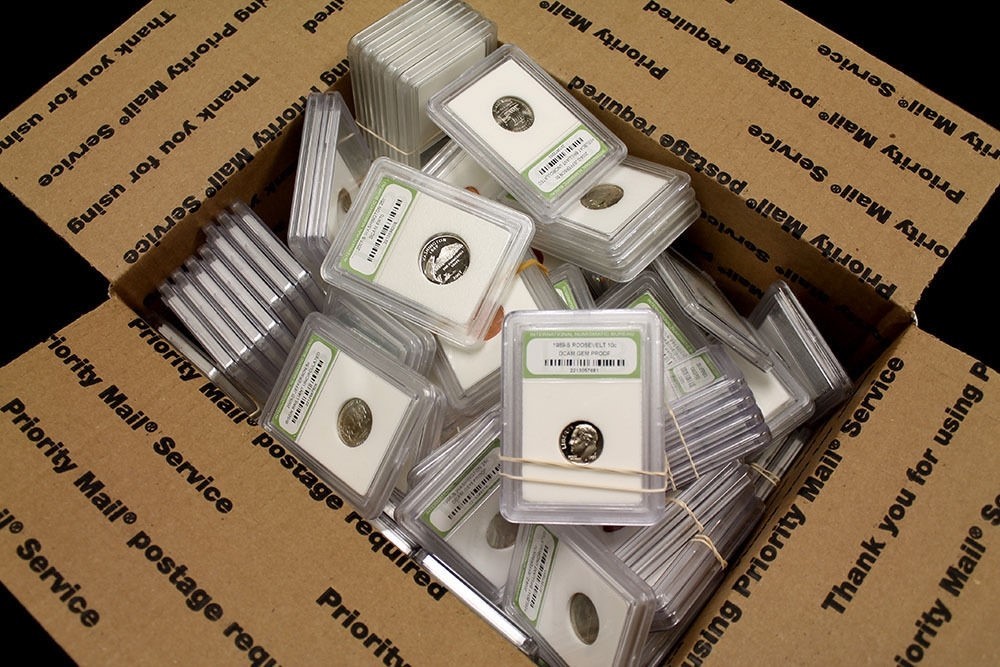
A slabbed note type is a banknote encased in a tamper-evident plastic holder (the slab) after undergoing professional authentication and grading by a recognized third-party service (e.g., PMG, PCGS). The service assesses three primary factors: authenticity (is it real?), condition (how well preserved is it?), and rarity. The numerical grade assigned (e.g., MS-65) is the standardized measurement of its quality. This is the industry equivalent of having a certified appraisal for a valuable asset. The slab itself is the verifiable documentation of the note's state.
What it does to price
Grading introduces a significant, quantifiable premium. The multiplier depends heavily on the note's baseline scarcity. For common notes, a slab might add 50% to 150% over the loose market price. For rare or high-demand notes, the premium can be 3x to 10x the ungraded value. High-grade slabs (e.g., a Gem Mint 67) command the highest premiums. A common $1 bill, ungraded, might sell for $1.00; the same bill in a certified MS-65 slab could easily fetch $15.00 to $30.00, depending on current market demand for that specific grade.
How to spot it
The tell is the plastic holder itself. Legitimate slabs have specific holographic seals, unique serial numbers linking the holder to the grading company’s database, and consistent branding. Sellers must provide clear, high-resolution photos of the slab’s corners and the certification label. Common issues include "slab washing"—where a note is cleaned excessively before grading, artificially improving condition—or counterfeit slabs, which mimic official seals. Always cross-reference the slab's serial number on the grading company’s official website to confirm the grade and authenticity before committing funds.
Buying smart
Paying the premium is justified when the note is inherently rare or when the grading company is highly reputable and the grade meets or exceeds the note's known market peak. If a note is common and the grade is only slightly better than what could be achieved by careful storage (e.g., an MS-62 when MS-60 is expected), the premium is likely inflated. A fair deal involves comparing the slabbed price against recent auction results for that exact grade and population report. If the premium exceeds 2x the expected value for a common item, further due diligence is required.
Selling smart
Listing a slabbed note requires the certification number to be front and center in the title and description. This single piece of data validates the entire listing. Buyers pay the premium because the slab removes the risk of condition dispute. The most valuable listing photo is one showing the entire slab clearly, with the grading company’s logo and the numerical grade visible and legible. Avoid vague descriptions; state the exact grade (e.g., "PMG MS-64") rather than general terms like "high grade."
On eBay right now
Current asking prices from live listings — not sold-comp medians.



eBay links are affiliate links: JunkPal may earn a commission at no cost to you.