What does “slabbed lot” mean?
What it means
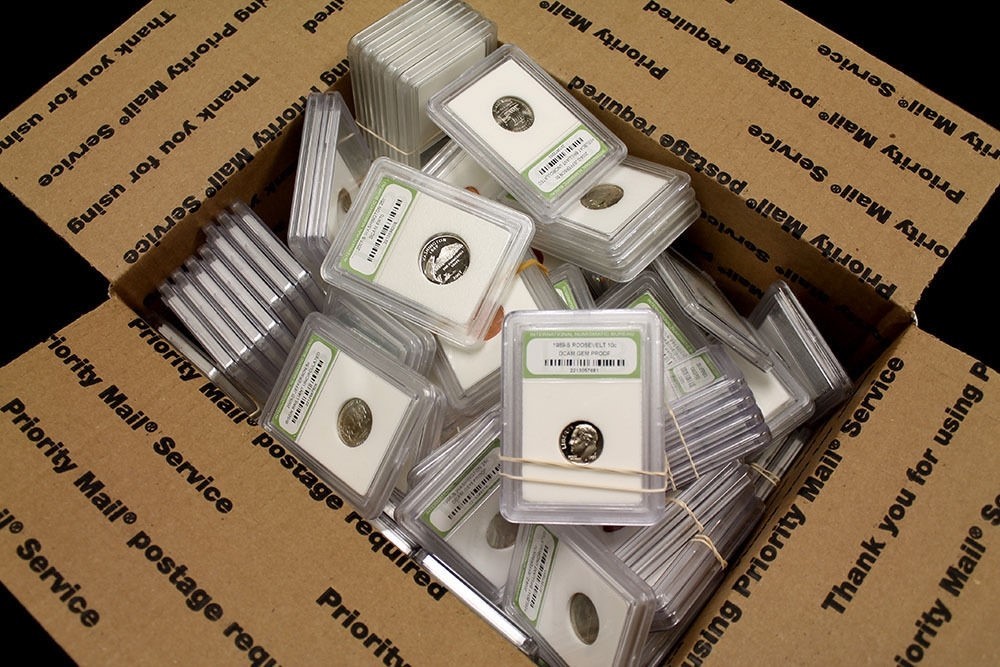
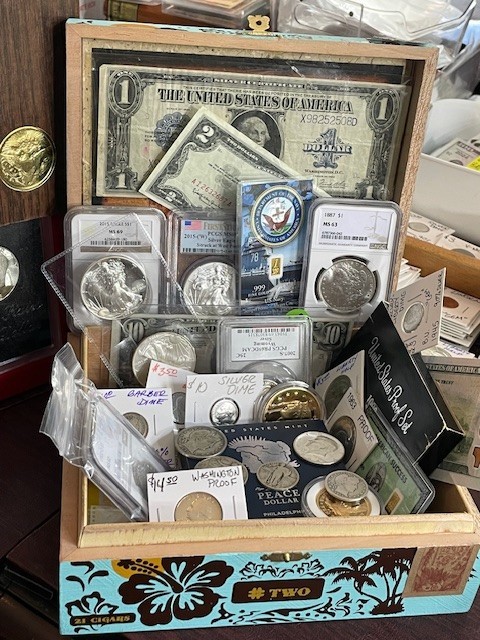
A slabbed lot is a group or collection of coins that have been professionally graded and encapsulated by a recognized third-party grading service, such as PCGS or NGC. The slab itself is a tamper-evident holder containing the coin(s) and displaying the assigned numerical grade (e.g., MS-65, AU-58) and the grading service's certification number. This process moves the coins from being "loose" (ungraded) to having certified provenance. The grade represents a standardized assessment of the coin's condition, including luster, strike quality, and surface preservation. This standardization is the core value proposition.
What it does to price
Grading adds a measurable premium over loose coins of the same composition and mintage. The multiplier depends heavily on the rarity and the grade achieved. For common bullion coins, a slab might add 10-30% to the loose market value. For rare, high-demand specimens, the premium can be exponential. For example, a high-grade slabbed rare coin might fetch 3x to 10x the price of a comparable ungraded piece, assuming the grade is genuine. Factors pushing the price up include top-tier grades (e.g., MS-69+), a recognized grading company, and the inclusion of rare varieties within the lot. Downward pressure comes from poor grading company reputation or obvious signs of tampering.
How to spot it
The tell is the physical holder. Authentic slabs are rigid, sealed plastic, and the label must be securely affixed and match the certification number visible on the slab itself. Sellers must provide clear photos of the *entire* slab, not just the coin. Common mistakes involve sellers using generic, non-graded plastic holders and claiming they are "slabbed." Counterfeit slabs exist, often poorly printed. Always cross-reference the certification number on the slab with the grading company's online database to verify the grade and authenticity before purchase.
Buying smart
Paying a premium for a slabbed lot is justified when the coins are rare, highly sought after, or when the grade is crucial to the investment thesis. If the lot consists of common, low-value coins, the grading fee and associated premium often outweigh the benefit. A fair deal involves comparing the slabbed lot's asking price against the established auction results for *similar* graded examples. If the lot is ungraded, the price gap between the loose and slabbed version must be justified by the quality assurance provided by the third party.
Selling smart
Listing a slabbed lot immediately elevates the perceived value and buyer confidence. The listing description must explicitly state the grading company and the specific grade for every coin or the lot as a whole. The single most effective piece of evidence is a high-resolution photo of the certification label on the slab, clearly showing the grade and the NGC/PCGS logo. This removes buyer hesitation regarding condition and allows the seller to target serious, high-end collectors willing to pay the premium associated with certified assets.
On eBay right now
Current asking prices from live listings — not sold-comp medians.



eBay links are affiliate links: JunkPal may earn a commission at no cost to you.