What does “slabbed hoard” mean?
What it means
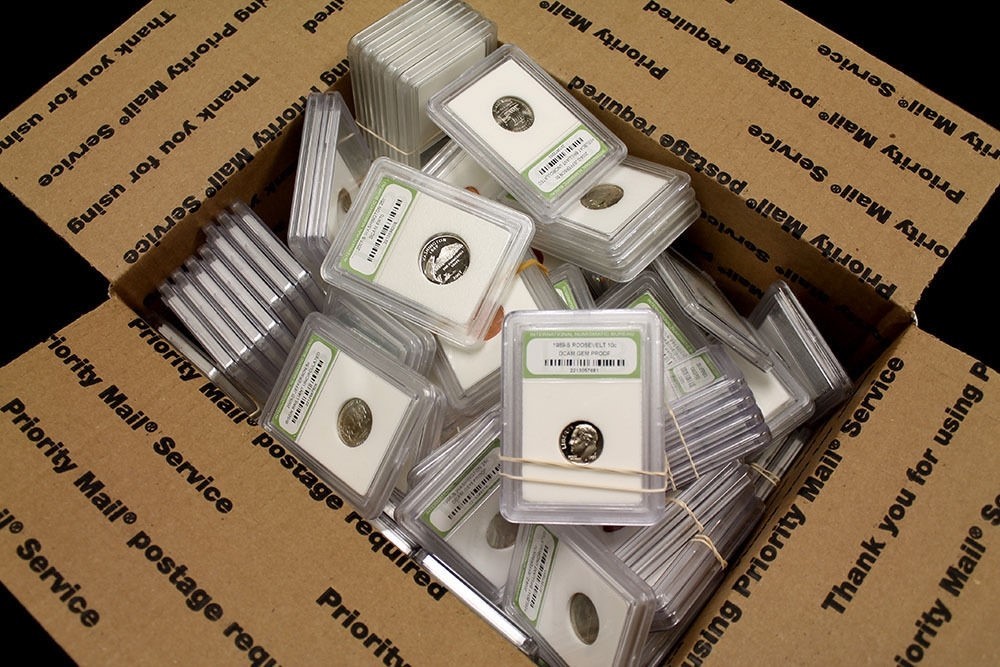
A slabbed hoard is a group of coins that have been professionally graded and sealed in tamper-evident plastic holders by a recognized third-party grading service (e.g., PCGS, NGC). The slab contains the coin, a certification label, and a numerical grade (e.g., MS-65). This process authenticates the coin and standardizes its condition assessment. The mainstream equivalent is a certified, graded collection. The term "hoard" implies a collection, not a single coin.
What it does to price
Slabbed status adds a verifiable premium. For common, non-rare coins, the premium is minimal, perhaps 5-10% over loose value. For high-value, rare specimens, the premium can be substantial, often 20-50% or more, because the grading company assumes the risk of authentication. A CIB (Certified In Buffer) copy of a moderately rare coin might fetch 1.5x to 3x the price of the same coin ungraded, depending on the grade difference. A mint-state coin graded MS-65 might sell for $1,200 in a slab, whereas an identical coin ungraded might only achieve $800.
How to spot it
The tell is the sealed plastic holder itself. Look for the specific grading company's logo and the unique certification number printed on the label. High-quality slabs are rigid and securely sealed. Common mistakes include "re-slabbing," where a coin is removed from an old slab and placed into a new one. This is detectable by microscopic inspection of the plastic seals or by cross-referencing the certification number with the grading service’s database. Always ask for high-resolution photos of the slab edges and the certification label itself.
Buying smart
Paying the premium is justified when the coin is rare, high-value, or when the grade is critical to the market demand (e.g., a specific high-grade proof). It is not worth the premium for common circulation coins where the grading adds little value over the slight risk of a fake. A fair deal requires the slab’s grade to align with established market averages for that specific coin type. If a dealer demands a 40% premium for a coin that typically trades at 20% premium, the deal is likely inflated.
Selling smart
Listing a slabbed hoard with clear, high-resolution photos of the certification label and the coin within the holder immediately signals authenticity and condition certainty to serious buyers. The inclusion of the grading service’s name in the title (e.g., "NGC Certified Silver Dollar") is the single most effective way to earn the premium. Buyers pay extra for the reduced due diligence required on their part. Never list a slabbed item without showing the certification number.
On eBay right now
Current asking prices from live listings — not sold-comp medians.



eBay links are affiliate links: JunkPal may earn a commission at no cost to you.