What does “slabbed grouping” mean?
What it means
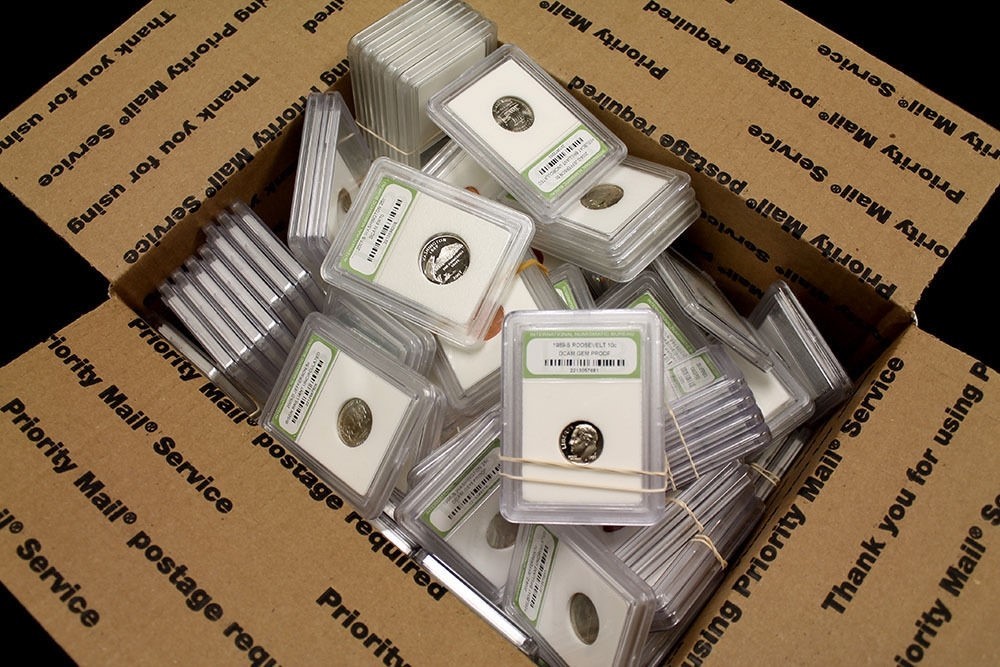
A slabbed grouping is a set of multiple coins, banknotes, or other collectibles housed together within a single, tamper-evident plastic case, known as a slab. Each individual item within the grouping has been independently submitted to a professional third-party grading service, such as PCGS or NGC. That service assesses the condition of each piece, assigns it a numerical grade (e.g., MS-65), and seals it within its own protective holder, which is then placed into the grouping presentation. This process transforms loose, uncertified items into verifiable, authenticated assets. The mainstream equivalent is "graded collections," but the term "slabbed grouping" specifically implies the presentation format of multiple graded pieces.
What it does to price
Grading provides immediate condition assurance, which translates directly into price premiums. A single, high-grade coin in a slab typically fetches 2x to 10x the price of the same coin loose, depending on rarity and demand. For a grouping, the multiplier is applied to the sum of the individual graded values. A grouping of five common, low-grade coins might sell for $100 loose, but if all are graded MS-63, the grouping could command $400 to $600. Factors that push the price up include the presence of high-grade specimens (e.g., a single MS-70 coin in the set) or recognized thematic sets. Price erosion occurs if the grouping mixes vastly different grades (e.g., three MS-65s and two AU-50s), as the lowest grade dictates the perceived value floor.
How to spot it
The tell is the presence of official, standardized plastic holders. Each coin must have its own individual, sealed holder bearing the grading company's logo, the assigned grade, and a unique certification number. For a grouping, the holder itself is often mounted or presented in a larger display case. Sellers should provide clear, high-resolution photos of the *certification labels* on every single coin, not just the exterior of the grouping. Common mistakes include sellers using aftermarket, non-certified holders or presenting a "grouping" where only one item is graded and the rest are loose. Always confirm the grading company matches the certification numbers.
Buying smart
Paying the premium for a slabbed grouping is warranted when the collection represents a known, high-value thematic set (e.g., a complete set of a specific year or series) and the grades are consistently high across the board. If the grouping contains many low-grade pieces (e.g., AG-4 to VF-20), the premium over loose items is often not justified; the buyer is paying for convenience, not inherent value. A fair deal requires the total listed price to be less than 1.8x the sum of the individual, independently verified retail values of the graded components. If the grouping is presented as a "mystery box" or the grades are obscured, the purchase is too risky.
Selling smart
Listing a slabbed grouping requires immediate, undeniable proof of authentication. The single most effective element in a listing is a clear photograph showing the certification labels of *every single coin* within the grouping, ideally laid out flat. Using the specific language "PCGS Graded Grouping" or "NGC Certified Set" immediately signals the asset class to serious buyers. Do not list it as "Lot of Coins." The premium buyers pay is for the *elimination of verification risk*. A listing that clearly displays the individual grades commands a significantly higher price floor than one that simply states the items are "professionally graded."
On eBay right now
Current asking prices from live listings — not sold-comp medians.



eBay links are affiliate links: JunkPal may earn a commission at no cost to you.