What does “slabbed example note” mean?
What it means
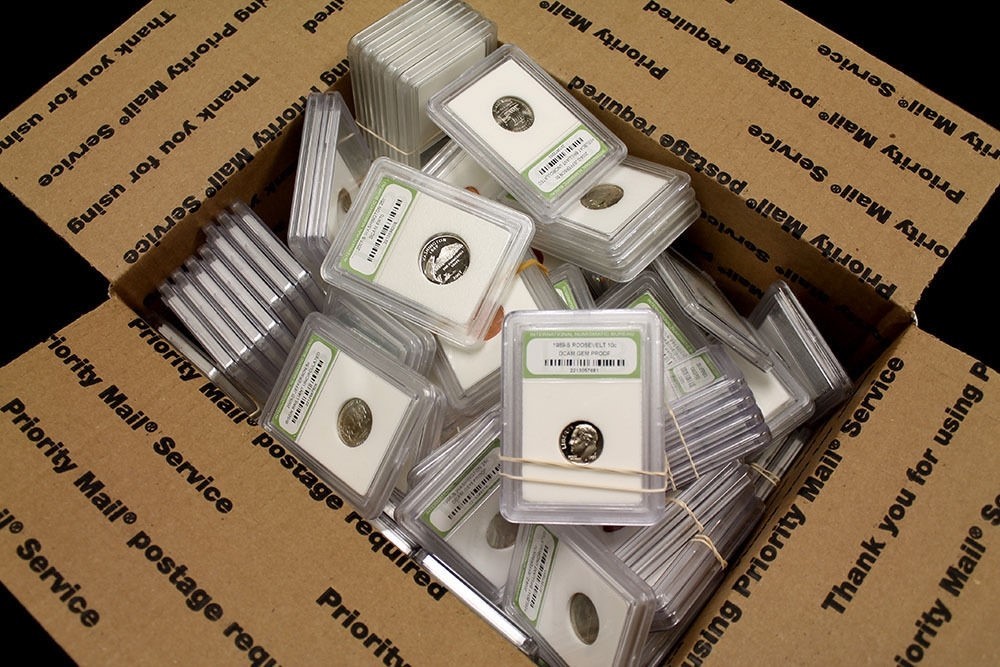
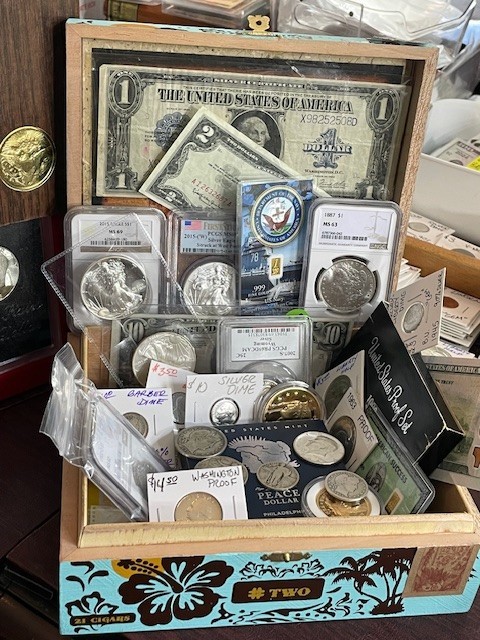
A slabbed example note is a banknote that has undergone professional third-party grading and is sealed within a tamper-evident plastic holder, known as a slab. The grading service assigns a numerical designation reflecting the note's physical condition, ranging from Mint State (e.g., MS-70) to heavily circulated or damaged states. This numerical score is the note's official condition report. For collectors, the slab serves as verifiable authentication, confirming both the note's genuineness and its precise state of preservation. This is not merely protective packaging; it is a certified condition report.
What it does to price
The grade dictates the market price. A high-grade slabbed note commands a significant premium over an ungraded example, even if the ungraded note appears visually similar. Generally, a high-grade example (e.g., MS-65 and above) can fetch 3x to 10x the price of a comparable, uncertified note, depending on the rarity of the denomination. Conversely, a low-grade slab (e.g., VF or lower) may only fetch a slight premium, or sometimes less, than a well-preserved loose note. For example, a common $1 bill in MS-70 might sell for $15, whereas the same bill ungraded might sell for $1.50.
How to spot it
The primary tell is the presence of the official grading company's label and sealed holder. Check for the specific certification number printed on the slab. Sellers must provide high-resolution photos of the entire note *inside* the slab, not just the outside. Common issues include "slab damage," where the plastic itself has scratches or dents, or "grade inflation," where the seller exaggerates the note's condition relative to the official grade. Always verify the grading service's reputation (e.g., PMG, PCGS).
Buying smart
Paying a premium for a slab is worthwhile only when the note is rare, desirable, or when the stated grade is exceptionally high (e.g., a top-tier grade for a sought-after series). If the note is common, the premium may not justify the cost, as the difference between a high-grade slab and a very clean loose note might be marginal. A fair deal involves the asking price aligning closely with recent auction results for that specific grade and denomination. If the price is drastically inflated above comparable sales, it is likely overvalued.
Selling smart
Listing a slabbed note immediately elevates its perceived value and trust factor for buyers. The slab acts as instant verification, reducing buyer risk. The single most impactful element in a listing is a clear, focused photograph of the grade label itself, showing the certification number. Using the precise grade (e.g., "MS-63 Slabbed") in the title, rather than vague terms like "Near Mint," ensures the buyer knows exactly what they are purchasing, justifying the premium price.
On eBay right now
Current asking prices from live listings — not sold-comp medians.



eBay links are affiliate links: JunkPal may earn a commission at no cost to you.