What does “slabbed example coin” mean?
What it means
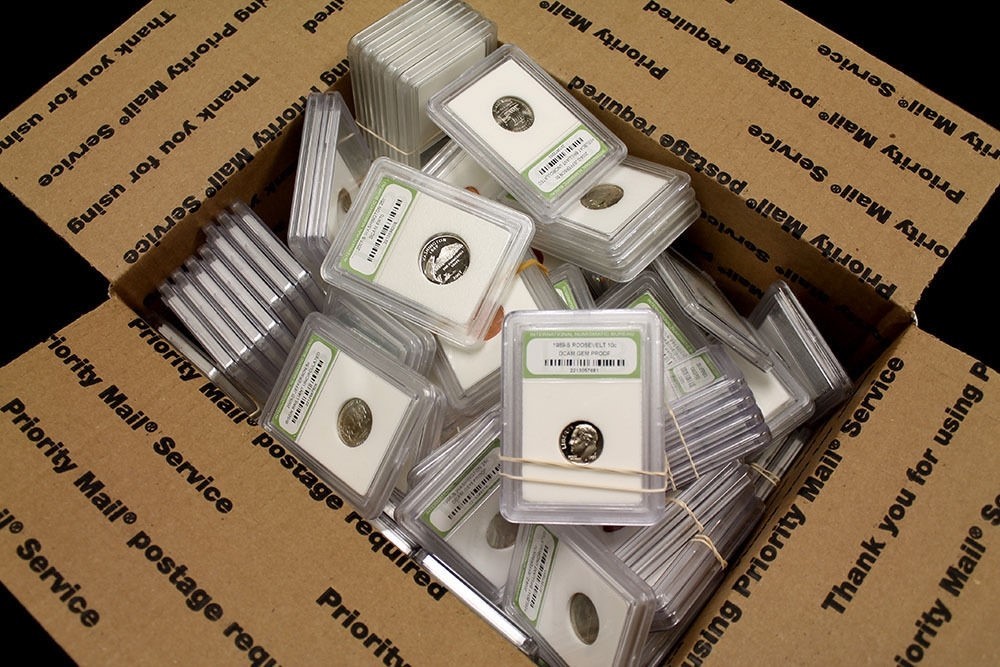
A slabbed example coin is a coin that has undergone professional third-party authentication and grading. Reputable services, such as PCGS or NGC, inspect the coin for authenticity and assign it a numerical grade reflecting its physical condition (e.g., MS-65). This grade is permanently affixed to the coin within a tamper-evident, sealed plastic holder, known as the slab. The mainstream equivalent is a certified, graded coin. The slab serves as a permanent guarantee of the coin's provenance and stated condition, eliminating the subjective assessment required when dealing with "raw" (ungraded) specimens.
What it does to price
Slabbed coins command a significant premium over their raw counterparts. The multiplier varies drastically based on the coin's inherent rarity and the grade achieved. For common, mid-tier coins, a slab can fetch 1.5x to 3x the loose price. For rare, high-value pieces, the premium can be exponential, sometimes doubling or tripling the value of a comparable raw coin. Factors pushing the price up include a high numerical grade (e.g., a certified MS-69 vs. an MS-63), and the reputation of the grading service. A realistic example: a common silver bullion coin might sell for \$100 loose, but if graded and sealed by NGC, it might easily sell for \$150–\$250 due to the added assurance.
How to spot it
The tell is the physical holder itself. It must be a sealed, rigid plastic case bearing the official markings and certification label of the grading company (e.g., PCGS green label, NGC blue label). Examine the seal; it must be intact, showing no signs of tampering or cracking. Common mistakes include coins housed in generic, non-certified holders or "fake slabs"—copies made by unauthorized vendors. Always request high-resolution photos of the certification label, the coin's edge, and the seal area before purchase.
Buying smart
Paying the premium for a slab is justified when the coin is inherently rare, high-value, or when the buyer requires immediate, verifiable proof of condition for an investment portfolio. If the coin is common or low-value, the premium often outweighs the benefit of the certification. A fair deal means the premium paid over the raw market price is reasonable relative to the coin's inherent scarcity. If a coin is graded a high grade (e.g., MS-68+) but the premium is disproportionately high compared to recent sales data for that specific coin/grade combination, the price is likely inflated.
Selling smart
Listing a slabbed coin immediately establishes a higher baseline expectation for the sale price. The single most effective element in a listing is a clear, high-resolution photograph of the coin *inside* the slab, ensuring the certification label is perfectly legible. Stating the exact grade (e.g., "PCGS MS-65") in the title and description is mandatory. Buyers pay the premium because the slab transfers the risk of condition assessment from the buyer to the grading company.
On eBay right now
Current asking prices from live listings — not sold-comp medians.



eBay links are affiliate links: JunkPal may earn a commission at no cost to you.