What does “slabbed example” mean?
What it means
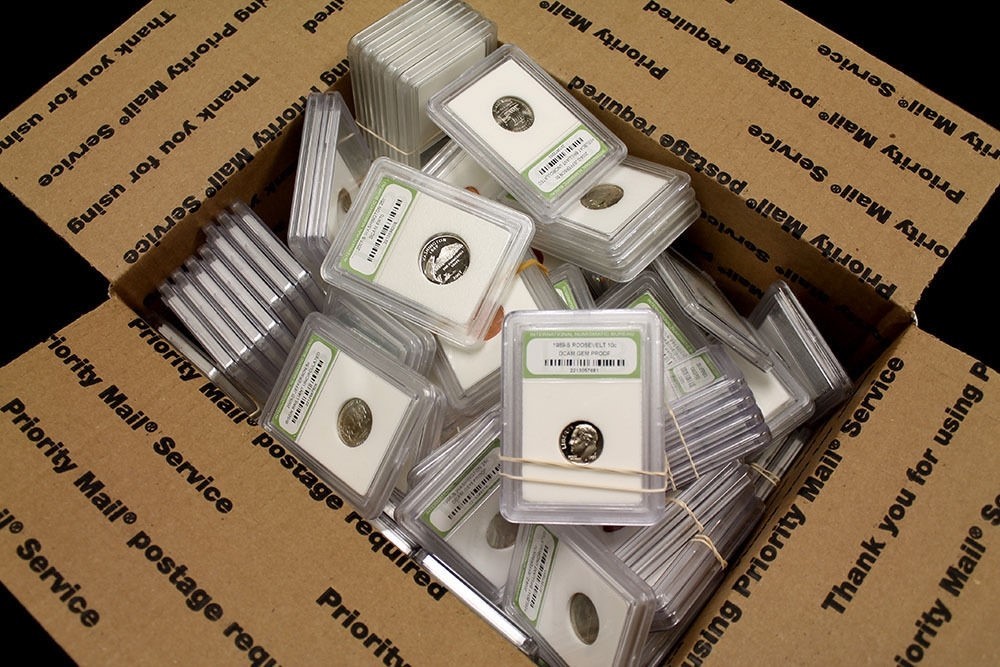
A slabbed example is a coin or collectible authenticated and sealed in a tamper-evident plastic holder, known as a slab. Reputable third-party grading services, such as PCGS or NGC, assign a numerical grade to the item. This grade quantifies the coin's condition—from Mint State (MS) to Uncirculated (MS) to Poor (P). The slab serves as verifiable proof of authenticity and condition, replacing subjective opinion in transactions. The numerical grade is the primary data point for valuation.
What it does to price
Grading introduces a quantifiable premium. For common coins, a slab may add 10-30% over the loose market price. For rare or high-demand specimens, the premium can be exponential. A high-grade, certified example of a popular coin series can fetch 3x to 10x the price of the same coin ungraded. Conversely, a poorly graded or mislabeled slab (e.g., a low grade on a coin expected to be high) can severely depress value. A $100 loose coin might sell for $300+ if it achieves a certified MS-65 grade, whereas an uncertified version might only sell for $150.
How to spot it
The tell is the physical holder. Official slabs feature specific company branding, serial numbers, and a tamper-evident seal that must be intact. Do not accept generic plastic holders; they offer no verification. Sellers must provide high-resolution photos of the certification label, the grade window, and the entire slab from multiple angles. Common issues include "re-slabbing" (an uncertified coin placed into a genuine slab) or grade inflation by less reputable services. Always cross-reference the grading company's published grading standards for the coin type.
Buying smart
Paying the premium for a slab is justified when the coin's value is highly dependent on verifiable condition, such as high-grade rarities or coins where condition differences are significant (e.g., MS-63 vs. MS-65). If the coin is common and the grade is only a few points higher than what could be reasonably expected loose, the premium may not be worth the cost. A fair deal involves the slab's grade matching the market consensus for that specific coin, with the premium reflecting the scarcity of that grade, not just the presence of a slab.
Selling smart
Listing a slabbed example immediately filters the buyer pool toward serious, high-value collectors who demand verification. The single most valuable element in a listing is a clear, focused photograph of the certification label showing the grade and the grading company logo. Using the term "PCGS Graded" or "NGC Certified" in the title earns a higher starting bid than simply listing it as "Uncirculated." The verified grade allows the seller to command the top tier of the market price, bypassing the need to justify condition claims.
On eBay right now
Current asking prices from live listings — not sold-comp medians.



eBay links are affiliate links: JunkPal may earn a commission at no cost to you.