What does “slabbed error” mean?
What it means
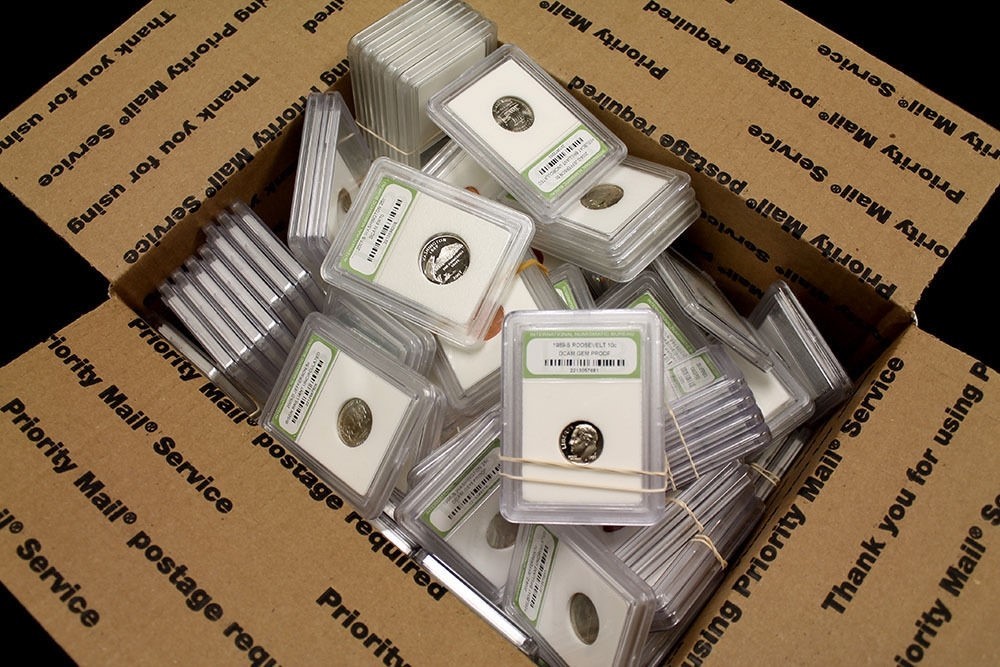
A slabbed error is a coin displaying a verifiable minting defect—such as doubled dies (DD), off-center strikes, or metal composition issues—that has been professionally graded and sealed in a tamper-evident holder by a recognized third-party grading service (e.g., PCGS, NGC). The grading slab serves as an objective, authenticated record of the coin’s condition and the specific error present. This is not merely a coin with an error; it is an authenticated, documented error coin. The error itself is the primary driver of value, but the slab provides the necessary proof of authenticity and condition preservation.
What it does to price
The presence of a confirmed, documented error significantly elevates value over a standard, un-error'd specimen of the same grade. Value multipliers are highly dependent on the error's rarity; a common, minor error might yield a 1.5x to 3x premium over a comparable non-error coin. A rare, high-impact error (like a major die clash or severe off-center) can see multipliers exceeding 10x. A low-grade, common error might only add $50-$100 to a $500 loose coin. Conversely, a high-grade coin with a known, low-value error might see its premium suppressed if the error is not highly desirable.
How to spot it
Errors are identified by specific visual anomalies. Doubled dies appear as faint, secondary impressions on the coin's design elements. Off-center strikes show the design not being fully contained within the flan. Sellers must provide high-resolution photos showing the affected area clearly, ideally under magnification. Common mistakes include simple handling marks mistaken for minting errors. Fakes often involve superficial damage applied after striking. The primary tell for a *slabbed* error is the official certification label and the unique certification number visible on the holder itself.
Buying smart
Paying a premium is justified when the error is rare, well-documented by the grading company, and the coin achieves a high grade (e.g., MS-65 or higher). If the error is common or the grade is low (e.g., AG or G), the premium may not cover the risk or the marginal increase in value. A fair deal requires cross-referencing the coin's specific error and grade against recent auction results for that exact combination. If the asking price is significantly above established market comparables for that specific error, caution is warranted.
Selling smart
Listing a slabbed error requires the grading company's certification number to be prominently featured. This number is the single most valuable piece of data for a buyer, as it links the physical coin to the grading service's database. The listing description must explicitly name the error type (e.g., "PCGS 68 Doubled Die"). Highlighting the specific error and the grade in the title and description immediately justifies a higher asking price, as the buyer is purchasing authenticated rarity, not just a coin.
On eBay right now
Current asking prices from live listings — not sold-comp medians.



eBay links are affiliate links: JunkPal may earn a commission at no cost to you.