What does “slabbed coin type” mean?
What it means
A slabbed coin type is a specific coin variety (the "type") that has been submitted to and authenticated by a professional third-party grading service, such as PCGS or NGC. The service seals the coin in a tamper-evident plastic holder, or "slab," and assigns it a numerical grade. This grade is a standardized assessment of the coin's preservation and condition, ranging from Poor (low numbers) to Mint State (high numbers). The slab acts as a verifiable certificate of authenticity and quality. The term "type" refers to the specific die variation, mint mark, or year of the coin being graded.
What it does to price
The slab itself is a primary value driver. A coin in a high, certified grade (e.g., MS-65 or higher) commands a significant premium over the same coin ungraded. Generally, a high-grade slab can fetch 2x to 10x the price of a comparable loose coin, depending on the coin's rarity. Factors pushing the price up include a high numerical grade (e.g., 70+), the reputation of the grading service, and the coin's inherent scarcity. A low grade (e.g., AU-50) in a slab might only add a 1.2x multiplier over loose value. For example, a common date might sell for $10 loose, but if graded MS-65, it could easily sell for $50–$100.
How to spot it
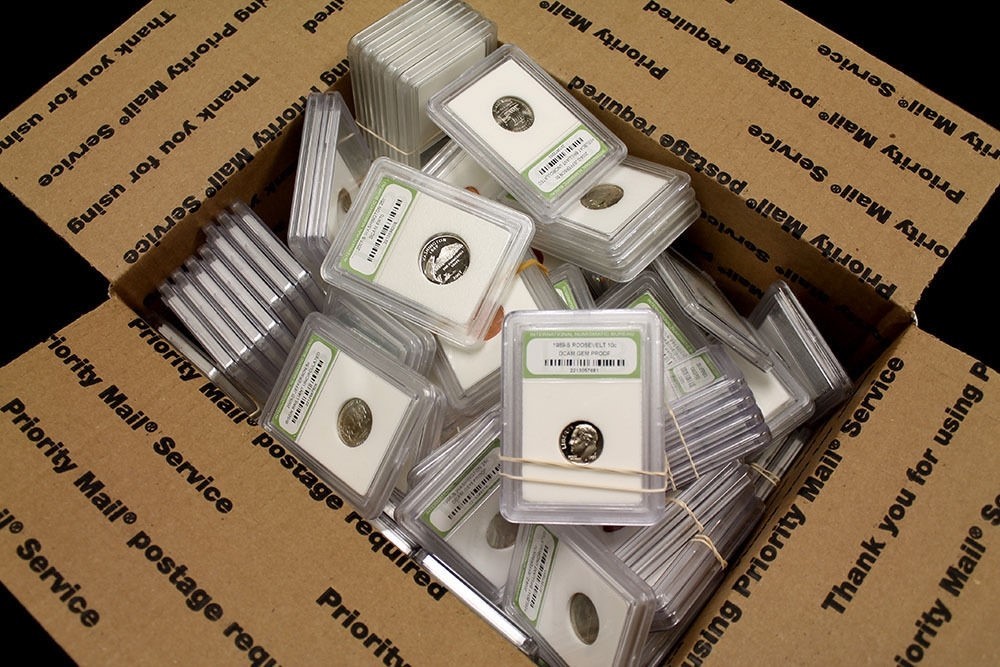
The tell is the plastic holder itself. Authentic slabs feature specific company logos, holograms, and tamper-evident seals unique to PCGS or NGC. The grade is clearly printed on the label affixed to the slab. Sellers should provide high-resolution photos of the entire slab, focusing on the certification label and the coin visible through the window. Common issues include counterfeit slabs, where the holder looks professional but the seal is weak or the grading company is unknown. Honest mistakes occur when a coin is misidentified or graded incorrectly; always cross-reference the coin's known characteristics against the slab's description.
Buying smart
Paying a premium for a slab is warranted when the coin is inherently rare or when the grade is critical to the market value (e.g., high-grade rarities). If a coin is common and the difference between a raw and slabbed version is less than 1.5x the loose value, the premium may not justify the cost. A fair deal involves the asking price being within 15–30% of the established market value for that specific grade and coin type, as listed by major auction houses or dealer guides.
Selling smart
Listing a slabbed coin requires immediate visual proof of its certification. The single most valuable element in a listing is a clear, well-lit photograph of the entire slab, showing the grade and the grading company logo. Describing the coin as "PCGS MS-68" is more effective than simply saying "graded coin." Highlighting the specific grade and the third-party verification is what allows the seller to command the market premium, shifting the buyer's focus from condition assessment to grade verification.
On eBay right now
Current asking prices from live listings — not sold-comp medians.



eBay links are affiliate links: JunkPal may earn a commission at no cost to you.