What does “slabbed coin” mean?
What it means
A slabbed coin is a coin that has undergone professional third-party grading and encapsulation. Recognized services, primarily PCGS and NGC, assess the coin's physical state, assign a numerical grade (e.g., MS-65), and certify its authenticity. The coin is sealed in a tamper-evident holder, and a Certificate of Authenticity (COA) is issued. This process standardizes the coin's condition, replacing subjective opinions with an objective, industry-recognized metric. The numerical grade is the mainstream equivalent of a detailed condition report.
What it does to price
Grading adds a premium, but the multiplier is highly dependent on the coin's rarity and the grade achieved. For common coins, the premium might be negligible or even negative if the grade is low. For high-demand, scarce coins, the premium can range from 30% to over 300% compared to the loose (ungraded) market value. A coin graded MS-65 might sell for $500, while the same coin ungraded might only fetch $200. Factors pushing the price up include a high numerical grade (e.g., 68+ for modern coins) and a reputable grading company.
How to spot it
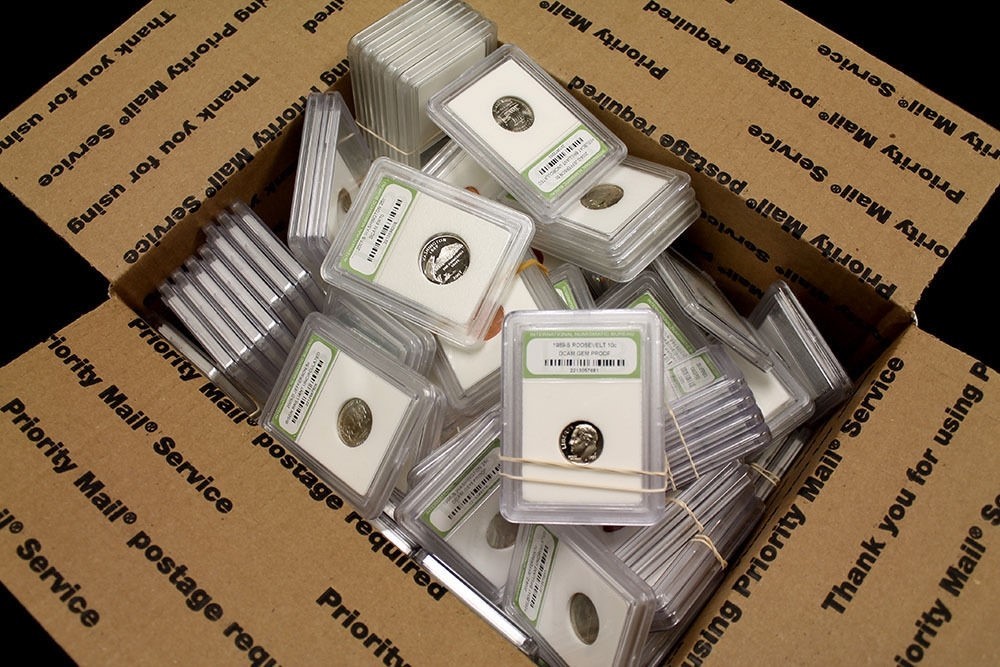
The primary tell is the sealed, tamper-evident plastic holder, often featuring the grading company's logo and the coin's grade prominently displayed. The COA number must match the digital entry on the grading service's website. Common mistakes include counterfeit slabs—holders that look official but lack verifiable database entries. Another issue is "re-slabbing," where a lower-grade coin is placed in a higher-grade holder. Always request high-resolution photos of the slab's corners and the COA label before committing to a purchase.
Buying smart
Paying the premium is justifiable when the coin is rare, highly sought after, or when the grade is critical to the coin's value (e.g., achieving a specific high grade on a key date). It is not worth the premium for common coins where the grade difference between MS-63 and MS-65 is minimal in market demand. A fair deal involves comparing the slabbed price against recent sales data for that exact coin/grade combination on major auction platforms. If the asking price exceeds 1.5 times the established market average for that grade, caution is warranted.
Selling smart
Listing a slabbed coin immediately validates its condition for potential buyers, significantly streamlining the sales process and justifying a higher asking price. The single most effective element in a listing is a clear, high-resolution photograph of the entire slab, showing the grade and certification number. Including the grading company's name in the title (e.g., "PCGS MS-67") acts as an immediate filter, attracting serious buyers willing to pay the premium associated with third-party verification.
On eBay right now
Current asking prices from live listings — not sold-comp medians.



eBay links are affiliate links: JunkPal may earn a commission at no cost to you.