What does “slabbed circulated” mean?
What it means
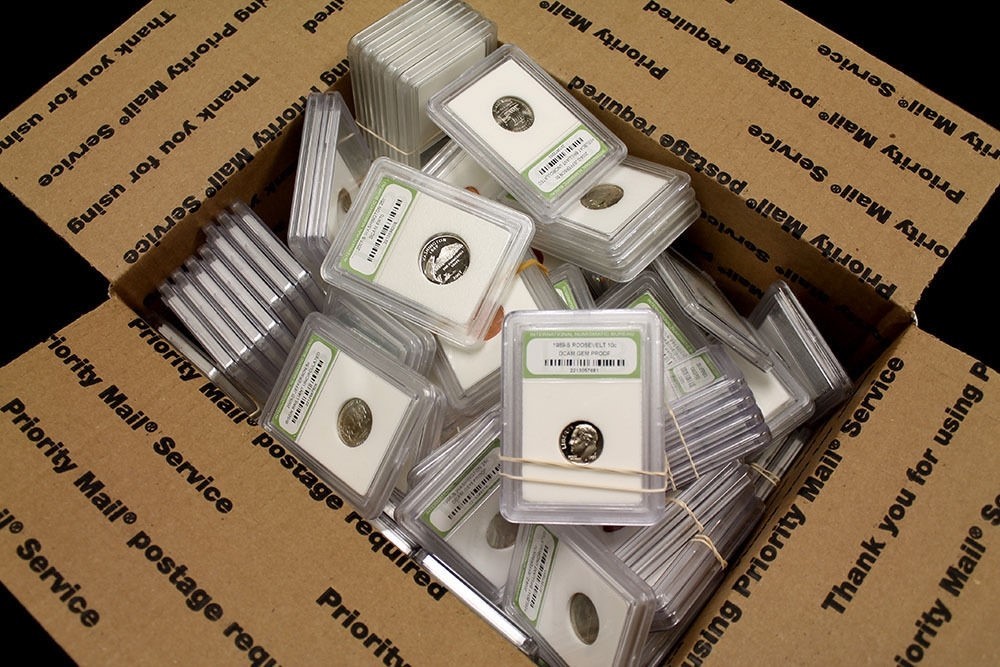
"Slabbed circulated" means a coin that has been professionally graded and sealed in a tamper-evident holder (the "slab"). The coin itself has been used in commerce; it exhibits wear consistent with normal handling and circulation. This is distinct from "Uncirculated" (MS/PF), which implies mint state. The grading service assigns a numerical grade (e.g., AU-50, VF-30) quantifying the degree of wear. The slab provides third-party authentication, verifying the coin’s authenticity and grade. The combination signals that the seller is providing a verifiable, protected asset whose condition is pre-determined by an expert service.
What it does to price
The slab itself adds a baseline premium for authentication, typically 15% to 35% over the loose equivalent of the same grade. The numerical grade dictates the primary value. A coin graded AU-50 will fetch significantly more than the same coin graded VF-20. For example, a common silver dollar graded AU-50 might sell for $150, whereas the same coin graded VF-20 might sell for $75 loose. Factors pushing the price up include a high numerical grade (AU or higher), a reputable grading service (PCGS/NGC), and a desirable rarity. Price drops occur with low grades (Good/Fair) or if the slab shows signs of damage or tampering.
How to spot it
The primary tell is the official, numbered plastic holder affixed to the coin. Sellers must provide high-resolution photos of the slab’s certification label, showing the grading company logo, the coin's grade, and the certification number. Look for evidence of "bag marks" or deep scratches, which are inherent to circulation and should align with the assigned grade. A common mistake is misrepresenting the grade; a coin that looks AU but is graded VF is an honest mistake by the grader, but a seller claiming it is higher than the slab states is fraudulent. Always verify the slab number against the grading company's online database.
Buying smart
Paying a premium for slabbed circulated coins is justified when the coin is rare, highly desirable, or when the numerical grade is high (AU or higher), as the slab guarantees the quality you are paying for. It is not worth the premium for common, low-grade circulation pieces where the difference between a $20 loose coin and a $35 slabbed version is negligible relative to the risk. A fair deal involves the asking price being within 20% of the established market value for that specific grade from reputable auction results. If the grade is low (e.g., below VF-20), the premium often outweighs the coin's intrinsic value.
Selling smart
Listing a slabbed circulated coin requires clear, unambiguous documentation. The listing title must include the grade and the grading company (e.g., "MS-63 PCGS Slabbed"). The single most valuable photo is a clear, focused shot of the certification label on the slab, showing the grade and serial number. This documentation shifts the transaction from a condition estimate to a verifiable asset sale. Buyers pay the premium for the *certainty* the slab provides; without the slab photo, the buyer assumes the coin is loose, and the premium disappears.
On eBay right now
Current asking prices from live listings — not sold-comp medians.



eBay links are affiliate links: JunkPal may earn a commission at no cost to you.