What does “slab verification” mean?
What it means
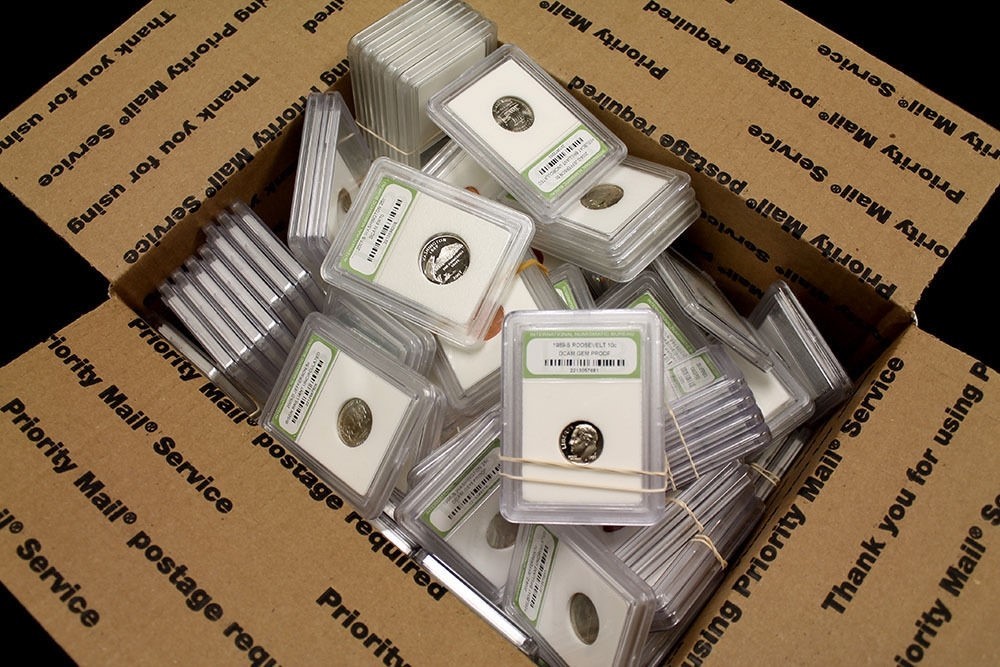
Slab verification is the process where an independent, accredited third-party grading service examines a coin. The service authenticates the coin, assigns a numerical grade reflecting its physical condition (e.g., MS-65, AU-58), and seals it within a tamper-evident plastic holder, known as a slab. This process moves the assessment of coin quality from subjective opinion to objective, documented data. The numerical grade is the mainstream equivalent of a condition report, and the slab itself serves as the certification of authenticity and grade.
What it does to price
Grading adds significant, quantifiable value. A professionally graded coin typically commands a premium ranging from 1.5x to 5x the price of an identical, ungraded specimen, depending on the coin's rarity and the grade achieved. The primary driver for price increase is the verifiable grade; a jump from MS-60 to MS-65 can result in a price multiplier of 3x or more. Conversely, if the coin is misgraded (e.g., graded MS-67 when it is actually MS-63), the value plummets instantly, often resulting in a 50-70% loss compared to the listed slab value.
How to spot it
The primary tell is the official, serialized holder. Reputable services (PCGS, NGC) use unique holographic labels and specific holder designs. Always verify the certification number printed on the coin's packaging against the coin's specific details listed on the grading service’s online database. Common fakes involve counterfeit slabs or stickers applied to genuine coins. An honest mistake occurs when a coin is graded too high; sellers often advertise the slab grade but the coin itself exhibits wear inconsistent with that grade. Request high-resolution photos of the slab's seal and the coin's edge/rim before committing.
Buying smart
Paying the premium is warranted when the coin is a high-demand, mid-to-high-tier asset (e.g., a popular bullion coin or a key date in a recognized series) and the grade is solid (MS-60+). If the coin is common or the grade is low (below MS-55), the premium often outweighs the benefit, as the coin's intrinsic value is low. A fair deal means the premium paid for the slab does not exceed 20-30% of the total asking price for established, reputable grading services.
Selling smart
Listing a slabbed coin immediately elevates perceived value. Buyers pay a premium for the reduced risk and guaranteed condition. The single most effective element in a listing is providing a clear, high-resolution photo of the coin *within* the slab, clearly showing the certification label and grade. Adding the grading service name and grade (e.g., "NGC MS-68") in the title is non-negotiable; this word or phrase is what triggers the premium buyer search filters.
On eBay right now
Current asking prices from live listings — not sold-comp medians.



eBay links are affiliate links: JunkPal may earn a commission at no cost to you.