What does “slab value” mean?
What it means
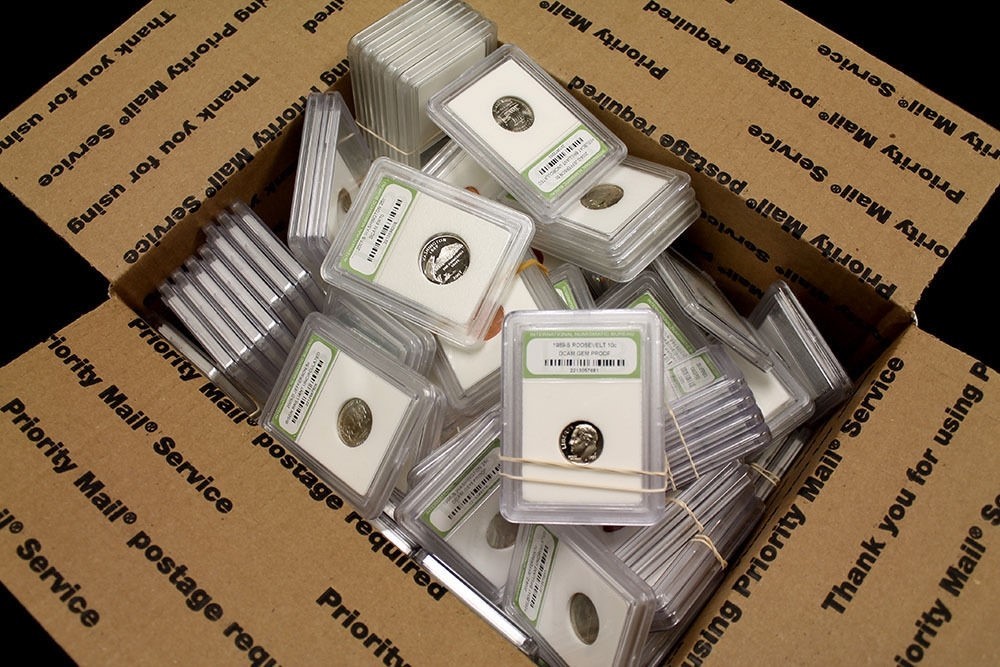
Slab value is the market price assigned to a coin after it has been authenticated and graded by a recognized third-party service, such as PCGS or NGC. The coin is sealed within a tamper-evident plastic holder, known as a slab. This process transforms the coin's condition from a subjective assessment into an objective, numerical grade (e.g., MS-65, AU-58). The grade is a standardized metric reflecting the coin’s wear, luster, and preservation. The slab itself acts as verifiable proof of authenticity and condition, removing the need for the buyer to subjectively assess the coin's state.
What it does to price
Grading creates a significant price multiplier. A comparable, ungraded coin (loose) might sell for a base value, whereas the same coin in a high-grade slab can fetch 3x to 10x that loose price, depending on the coin's rarity. The grade itself is the primary driver of this increase. For example, a common silver dollar might sell for \$10 loose, but if it achieves a pristine MS-67 grade, its slab value could easily exceed \$150. Factors that push the price up include achieving a top-tier grade (MS-69+); factors that depress it include minor grading errors or evidence of handling damage visible through the slab.
How to spot it
The primary tell is the presence of the official, sealed holder from the grading company. Look for the unique certification number printed on the label or the slab itself. Sellers should provide high-resolution photos of the coin *inside* the slab, showing the full view and the certification label clearly. Common issues include "franken-slabs," where a coin is improperly placed or sealed, or outright counterfeits of the certification label. An honest mistake might be a coin being graded significantly lower than its actual condition warrants, though this is rare with top services.
Buying smart
Paying a premium for slab value is worthwhile when the coin is rare, highly sought after, or when the grade is critical to the coin's investment potential (e.g., high-grade rarities). If the coin is common or has a low intrinsic value, the premium paid for the grading service often outweighs the potential return. A fair deal involves comparing the asking price against recent auction results for that specific coin *at that specific grade*. If a coin is listed for 5x its established market rate for that grade, it is likely overvalued.
Selling smart
Listing a coin with verifiable slab value immediately elevates its perceived worth. Buyers are willing to pay a premium for the assurance that the coin is genuine and its grade is certified. The single most effective element in a listing is providing a clear, well-lit photograph of the *entire* slab, ensuring the certification number is legible. This single image shifts the transaction from a speculative purchase to a documented asset acquisition, justifying a higher asking price.
On eBay right now
Current asking prices from live listings — not sold-comp medians.



eBay links are affiliate links: JunkPal may earn a commission at no cost to you.