What does “slab valuation” mean?
What it means
Slab valuation is the monetary assessment of a coin after it has been sealed in a tamper-evident holder, or "slab," by an accredited third-party grading service (TPGS) such as PCGS or NGC. This process assigns an objective, verifiable numerical grade (e.g., MS-65, AU-58) and certifies the coin's authenticity. The slab acts as a standardized guarantee of condition, replacing subjective opinions in the marketplace. The mainstream equivalent is professional certification.
What it does to price
Grading significantly inflates market value. A coin graded by a major service typically commands a premium ranging from 2x to 10x its raw (ungraded) market value, depending heavily on the grade achieved. The grade is the primary driver; a jump from MS-60 to MS-65 can multiply value by 5x or more for certain coins. Conversely, a poorly graded slab (e.g., a coin graded MS-60 when it appears MS-63) can depress value relative to a known, high-grade raw specimen. For instance, a common silver dollar graded MS-65 might sell for $150, whereas the same coin raw might sell for $35.
How to spot it
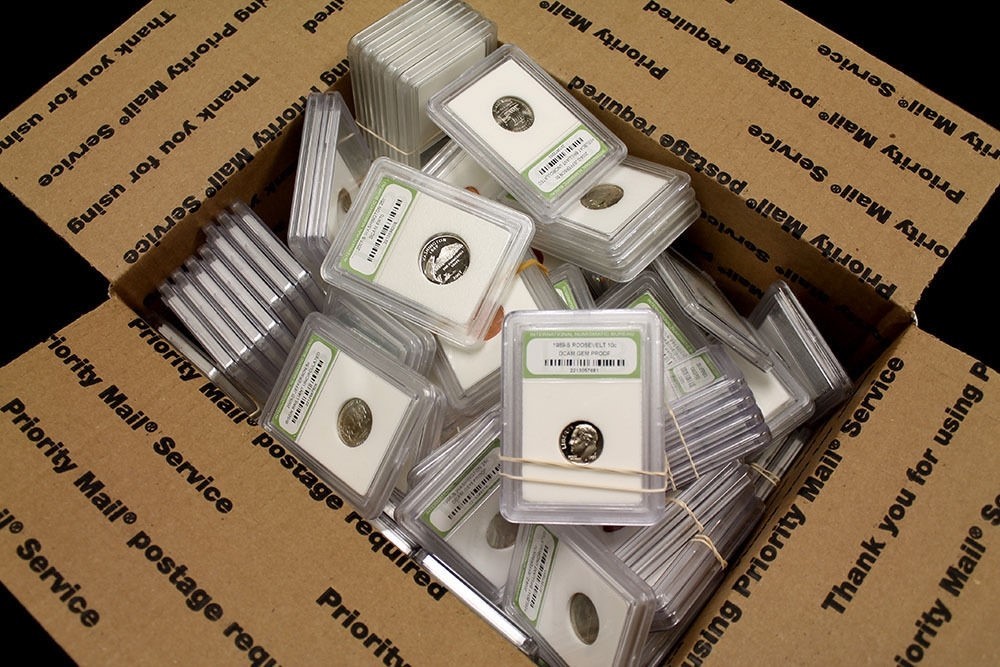
The tell is the physical holder itself—a hard plastic capsule bearing the grading company's logo, a unique certification number, and the assigned grade. Sellers must provide high-resolution photos of the entire slab, clearly showing the certification number and the grade designation. Common issues include "slab tampering" (where a coin is removed and re-inserted), which immediately destroys value, and "grade inflation" (where a coin is graded higher than its visible condition warrants). Always verify the certification number against the grading company's online database.
Buying smart
Paying a premium for a slab is justified when the coin is scarce, high-grade, or when the specific grade is necessary for investment goals (e.g., achieving a specific population rarity). It is not worth the premium for common, low-grade issues where the difference between raw and graded value is minimal (less than 2x). A fair deal involves a price that aligns with recent sales data for that specific grade and population report number, not just the coin's face value.
Selling smart
Presenting a slabbed coin in a listing immediately establishes credibility and justifies a higher asking price. The single most effective element in a listing is a clear, well-lit photograph of the *entire* slab, ensuring the certification number and grade are legible. Including the TPGS certification number in the description allows buyers to instantly verify the asset's authenticity, eliminating buyer hesitation and allowing the seller to command the certified premium.
On eBay right now
Current asking prices from live listings — not sold-comp medians.



eBay links are affiliate links: JunkPal may earn a commission at no cost to you.