What does “slab upgrade” mean?
What it means
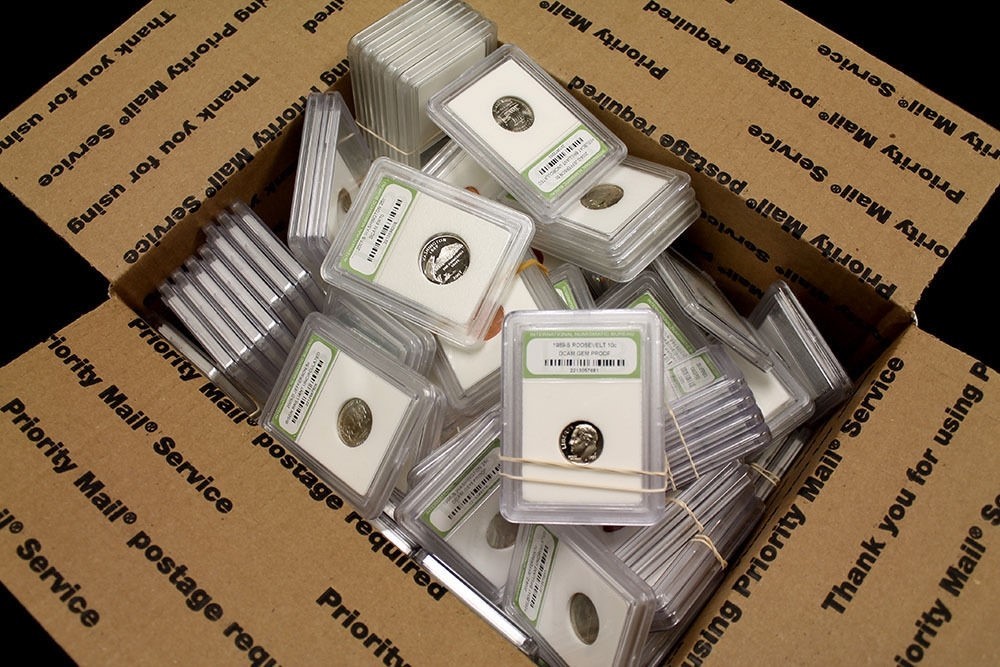
A slab upgrade is the submission of a coin already graded and encapsulated in a third-party holder (a slab) to a grading service for a second evaluation. The goal is to achieve a higher numerical grade than the original certification. This is not a re-grading of a loose coin; it is a review of the existing slabbed item. The process is essentially a second opinion on the coin's condition, aiming to move it up the Sheldon scale (e.g., from MS-63 to MS-65). The term is jargon for "re-submission for grade improvement."
What it does to price
Grade increases translate directly to significant value increases. The jump from one grade level to the next, especially in the mid-to-high MS range, is often exponential, not linear. For a desirable coin, moving from an MS-63 to an MS-65 can easily result in a 3x to 8x increase in realized auction value, depending on the coin's rarity. Conversely, if the upgrade fails or the coin is deemed unworthy of the higher grade, the coin may lose value due to the cost of the submission and the potential for a lower final grade. A common scenario is a $500 coin graded MS-63; a successful upgrade to MS-65 could push the realized price to $2,000 or more.
How to spot it
The primary tell is the presence of the existing slab and the grade sticker. A seller claiming an upgrade should provide documentation showing the original submission details and the current submission tracking. Be wary of sellers claiming an "upgrade" when the coin has never been graded, as this is misrepresentation. Honest mistakes usually involve initial grading by a less stringent service or a subjective initial assessment. Fakes are rare in the upgrade process itself, but the risk lies in the seller misrepresenting the *history* of the slab. Always request high-resolution photos of the slab's certification label.
Buying smart
Paying for a slab upgrade is only worthwhile when the potential grade increase aligns with a known, high-demand market premium for that specific coin/grade combination. If the coin is common or the difference between the current grade and the target grade is minimal (e.g., MS-62 to MS-63), the submission fee and risk do not justify the cost. A fair deal involves a seller who has already paid for the upgrade and is selling the resulting higher grade, or a seller who is willing to absorb the submission cost for a high-value target coin where the potential return is substantial.
Selling smart
Listing a coin with an active or recently completed slab upgrade process attracts buyers specifically looking for that higher grade. The one word that earns the premium is "Certified" or the specific higher grade designation (e.g., "MS-65"). Highlighting the *potential* for an upgrade in a listing can attract speculative buyers, but the final sale price must reflect the *achieved* grade. If the upgrade is pending, the listing must clearly state this risk, managing buyer expectations against the potential premium.
On eBay right now
Current asking prices from live listings — not sold-comp medians.



eBay links are affiliate links: JunkPal may earn a commission at no cost to you.